







Pool Swimming: The Controlled Course
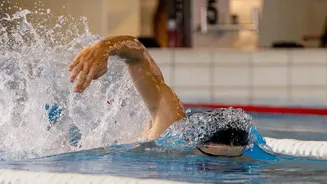
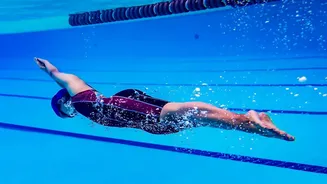
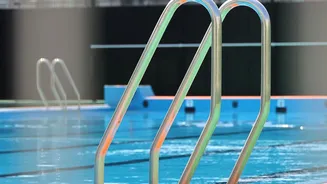
For many, swimming means the predictable, controlled environment of a pool. The benefits are clear: the water temperature is regulated, the visibility is perfect, and the black line on the bottom of the lane removes any need for navigation. This makes
pools the ideal setting for focusing on technique, building endurance, and ensuring a safe workout, as most have lifeguards on duty. However, the controlled environment has its downsides. The repetitive nature of lap swimming can become monotonous. Furthermore, the chemicals used to keep pools sanitary, particularly chlorine, can be harsh on skin and hair, causing dryness and irritation. Even saltwater pools, which feel softer on the skin, are not chlorine-free; they use a generator to create chlorine from salt, albeit at a lower, more stable concentration.
Open Water: The Ultimate Adventure
Swimming in a lake, river, or the ocean is a completely different experience. It offers a sense of adventure and a connection with nature that a pool cannot replicate. The conditions are constantly changing—from water temperature and currents to waves and chop—which forces your body to adapt and work harder. This unpredictability makes open water swimming more physically demanding. Navigation becomes a key skill, as you must learn to lift your head to 'sight' landmarks to stay on course. Safety is the biggest consideration. Open water introduces risks like cold water shock, hypothermia, unpredictable currents, and poor water quality from pollution or algal blooms. It's crucial to swim with a buddy, use a brightly coloured swim cap and tow-float for visibility, and understand the specific body of water before you get in.
Running: The Weight-Bearing Alternative
Running is the classic land-based counterpart to swimming. Its primary advantage is accessibility—all you need is a pair of shoes. As a high-impact, weight-bearing exercise, running is exceptionally effective at building bone density, a benefit swimming does not provide. This makes it a crucial activity for long-term skeletal health. While running primarily targets the lower body, it burns a significant number of calories, often more per minute than swimming at a comparable effort level, because you are supporting your full body weight against gravity. The downside, of course, is the impact. The stress on joints like knees, hips, and ankles is substantial, leading to a higher risk of injuries such as stress fractures and tendonitis compared to swimming.
Physical Demands: Impact vs. Resistance
The fundamental physical difference lies in impact and resistance. Running's high-impact nature strengthens bones but can be tough on joints. Swimming is the opposite; the buoyancy of water supports your body, making it a low-impact exercise that's gentle on the joints. This makes swimming an excellent choice for individuals with arthritis, those recovering from injuries, or anyone for whom high-impact exercise is painful. Instead of impact, swimming provides a full-body resistance workout. Water is far denser than air, so every movement—from your arms pulling to your legs kicking—works against constant resistance, engaging muscles in your upper body, core, and lower body simultaneously.
The Final Verdict: Which Is Best for You?
There is no single 'best' exercise. The right choice depends entirely on your personal goals, physical condition, and what you enjoy. If your priority is building bone density and you need a convenient, high-calorie-burning workout, running is an excellent option. If you're looking for a low-impact, full-body workout that's easy on the joints, swimming is superior. Within swimming, the pool offers a safe, controlled space to build technique and fitness, while open water provides a more challenging and adventurous workout. For many, the ideal solution is a combination. Mixing running with swimming can provide a well-rounded fitness regimen, using swimming for active recovery and conditioning while benefiting from running's bone-strengthening effects. Ultimately, the most effective workout is the one you can stick with consistently.