



The Ancient Art of Tadka
In Indian cuisine, tempering, also called 'tadka', 'chaunk', or 'vaghar', is a foundational technique. It involves briefly frying whole or ground spices in hot fat like ghee or oil to release their essential oils. This infused fat is then poured over
a dish, often lentils (dal), vegetables, or yoghurt, as a finishing touch, or used at the beginning of cooking to build a flavour base. This centuries-old practice is not just about creating a fragrant aroma; it’s a deliberate method to transform both the taste and nutritional profile of a meal. Long before modern science could explain it, cooks knew that this step was the secret to a delicious and digestible dish.
Unlocking Fat-Soluble Compounds
The primary reason tempering is so effective lies in a simple chemical principle: many of the most potent and aromatic compounds in spices are fat-soluble, not water-soluble. This means they dissolve in fats, like oil and ghee, but not in water. Take turmeric, for instance. Its main active compound, curcumin, is celebrated for its anti-inflammatory and antioxidant properties. However, curcumin is lipophilic, meaning it clings to fat. When you add turmeric directly to a water-based curry, much of its goodness is not absorbed by the body. By heating it in fat, you extract the curcumin, making it more 'bioavailable'—or easier for your body to absorb and use.
Heat as the Essential Catalyst
Heat is the second critical element in this process. When spices are subjected to high heat, their tough plant cell walls break down. This rupturing process releases the volatile oils and aromatic compounds that are trapped inside. Think of a cumin or mustard seed. In its raw state, the flavour is muted. But the moment it hits hot oil, it begins to crackle and pop, instantly releasing a powerful, nutty aroma that fills the kitchen. This is the heat at work, acting as a catalyst to unlock the spice's true potential. However, temperature control is key; too much heat can burn the spices, creating a bitter taste.
A Boost to Bioavailability
Extracting these beneficial compounds is only half the battle; your body needs to be able to absorb them. The fat in a tadka acts as a carrier vehicle. Once the fat-soluble compounds like curcumin from turmeric and capsaicin from chillies are dissolved into the oil or ghee, they are more easily absorbed by your digestive system. The combination of fat and certain spices can have a synergistic effect. For example, piperine, the active compound in black pepper, has been shown to increase the absorption of curcumin by up to 2,000%. This is why turmeric and black pepper are such a classic pairing in Indian cooking, often bloomed together in fat.
More Than Health: Creating Deep Flavour
Beyond unlocking antioxidants, tempering is also a masterclass in flavour creation. The high heat triggers complex chemical reactions, including the Maillard reaction. This is the same process responsible for the browning on a seared steak or toasted bread. When spices like cumin and coriander are heated in oil, the reaction between amino acids and sugars creates hundreds of new flavour compounds, resulting in deeper, roasted, and nutty notes that the raw spice simply doesn't possess. The infused fat then carries this complex layering of flavours and distributes it evenly throughout the entire dish.
Common Spices and Their Benefits
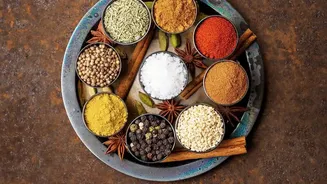
Different spices used in tadka bring their own unique benefits. Cumin seeds, for instance, are known to aid digestion and are a source of antioxidants. Mustard seeds contain minerals and also possess antimicrobial properties. Asafoetida (hing), another common tadka ingredient, is prized for its ability to help reduce bloating and indigestion. Curry leaves are packed with vitamins and iron. By combining these in hot fat, you are not only layering flavours but also creating a potent mix of compounds that support digestion and overall wellness.