






A Natural Solution for Modern Living
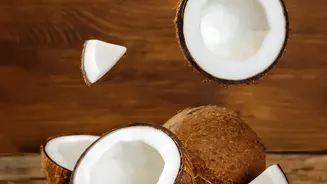
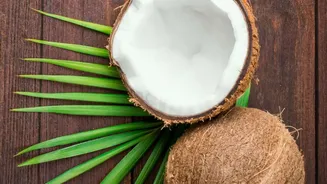
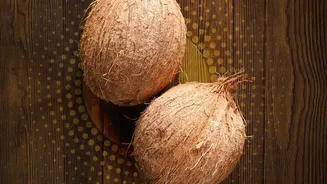
Imagine an insulation material that is not only effective but also completely natural, renewable, and biodegradable. That’s the promise of compressed coconut husk panels, also known as coir boards. Derived from the fibrous husk that surrounds a coconut,
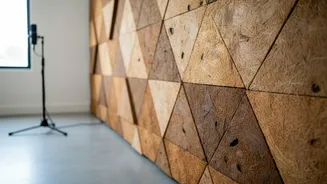
this material is a byproduct of the massive global coconut industry. For decades, much of this husk was discarded. Now, through modern processing, these tough, durable fibres are being pressed into rigid panels that serve as an excellent alternative to conventional insulation. The process typically involves binding the natural coir fibres with an adhesive before compressing them into boards of various densities and thicknesses, making them suitable for walls, ceilings, and floors.
The Problem with Synthetic Foams
For years, synthetic materials like polyurethane spray foam have been a go-to for insulation. They are effective, but they come with a significant environmental and health footprint. Most are petroleum-based, non-renewable, and their manufacturing process is energy-intensive. Furthermore, some synthetic foams can release Volatile Organic Compounds (VOCs) into the air, a concern for indoor air quality, especially in smaller, sealed spaces like studio apartments. As homeowners become more conscious of the materials they bring into their living spaces, the search for healthier, greener alternatives has intensified.
Superior Thermal and Acoustic Comfort
One of the most compelling reasons to consider coconut husk panels is their impressive performance. The hollow, porous structure of coir fibres makes them naturally adept at trapping air, which provides excellent thermal insulation. Studies show their thermal conductivity is low, comparable to conventional insulators like mineral wool, helping to keep homes cooler in the heat and warmer in the cold, which can lead to reduced energy bills. But for anyone living in a bustling apartment building, the acoustic benefits are just as significant. The dense, fibrous nature of the panels makes them highly effective at absorbing sound, dampening noise from neighbours and the street outside to create a quieter, more peaceful living environment.
Health and Environmental Advantages
Beyond performance, coconut husk insulation shines in its eco-friendly credentials. As a 100% natural and renewable resource, it represents a major step toward sustainable construction. Unlike synthetic materials, these panels are fully biodegradable at the end of their life, minimizing landfill waste. They are naturally resistant to moisture, which helps prevent the growth of mould and mildew, contributing to a healthier indoor environment. The high lignin content in the fibres also provides natural resistance to pests and decay. By turning an agricultural byproduct into a high-value building material, the use of coconut husk supports a circular economy, reducing waste and creating more sustainable supply chains.
Challenges and the Road Ahead
Despite its many benefits, coconut husk insulation is not without its challenges. While its thermal performance is good, some high-end synthetic foams may still offer slightly higher insulation values for the same thickness. Availability can also be a hurdle, as it is an emerging product and not yet as widespread as traditional materials like fiberglass or mineral wool. Depending on the region and shipping costs, the initial price may also be higher than some conventional options. However, as production scales up and demand for sustainable materials grows, these panels are becoming increasingly competitive. Real-world applications in eco-resorts and affordable housing projects are already demonstrating their viability and long-term benefits.