


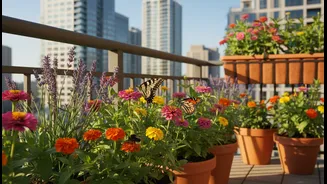
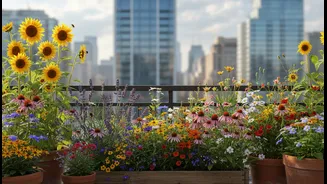


The Pretty Plant Problem
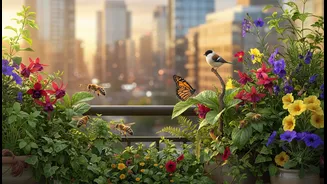
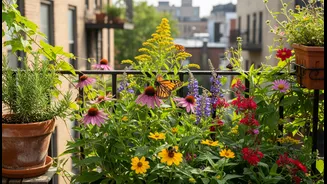
Many popular flowering plants sold in nurseries are bred for human appeal, not for pollinators. Modern hybrids often have double petals or elaborate shapes that look beautiful but can make it difficult or impossible for bees and butterflies to access
nectar and pollen. Some have even had their nectar-producing traits bred out in favour of bigger, longer-lasting blooms. While a balcony full of colourful, ornamental flowers seems like a pollinator haven, it can often be more of a food desert for the very creatures we want to attract. Common choices might provide a splash of colour but offer little ecological value, forcing pollinators to expend precious energy searching for a real meal.
Rethinking Common Go-Tos
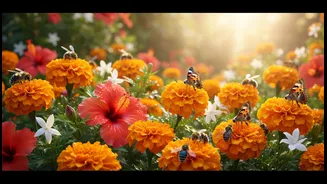
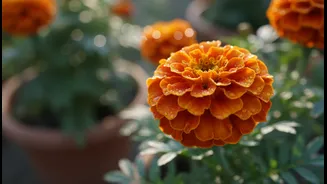
In India, marigolds (genda) are a staple in gardens and balconies for their vibrant colour and resilience. While some single-petal varieties do attract pollinators, many popular decorative types, especially the dense, ball-shaped ones, offer little accessible nectar. Similarly, while plants like petunias may look cheerful, their value can be limited compared to other options. The key isn't to abandon all common flowers, but to understand their limitations and prioritize plants that are proven to feed local wildlife. The goal is to create a reliable food source, not just a pretty display.
Why Native Plants Are Your Best Bet
The single most effective way to create a successful pollinator balcony is to choose native Indian plants. These are the species that local bees, butterflies, birds, and other insects have co-evolved with over thousands of years. They are perfectly adapted to the local climate, soil, and—most importantly—the needs of local wildlife. Native plants provide the right kind of nectar and pollen at the right time. For example, some butterflies have specific host plants they rely on to lay their eggs, such as the Curry Leaf plant for the Common Mormon butterfly. By planting native species, you're not just offering a meal; you're helping to support the entire life cycle of these vital creatures.
A Pollinator All-Star Team for Indian Balconies
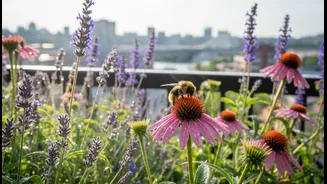
Ready to upgrade your balcony garden? Here are some excellent native and pollinator-friendly choices that thrive in pots and are loved by Indian pollinators: Tulsi (Holy Basil): When allowed to flower, the small purple-white blossoms are a magnet for bees. It's hardy, thrives in containers, and is a cornerstone of any traditional Indian garden. Hibiscus (Jaseevand): The large, open flowers are perfect for butterflies and birds. Available in numerous colours, it's a sun-loving plant that blooms prolifically with proper care. Indian Jasmine (Chameli/Mogra): The fragrant flowers, especially those that open at night like Parijat (Coral Jasmine), attract moths and other nocturnal pollinators. Lantana: This hardy plant produces clusters of flowers that are irresistible to butterflies. It's drought-tolerant and blooms for long periods, making it ideal for sunny Indian balconies. Ixora: Its dense clusters of tiny, star-shaped flowers provide a rich nectar source for butterflies. It grows well in pots and loves warm, sunny conditions. Butterfly Pea (Aparajita): This fast-growing climber is, as its name suggests, a favourite of butterflies. Its beautiful blue flowers are also edible. * Periwinkle (Sadabahar): A low-maintenance and hardy plant, its nectar-rich flowers are great for bees and butterflies.
More Than Just Flowers
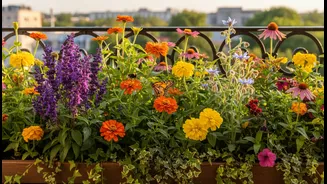
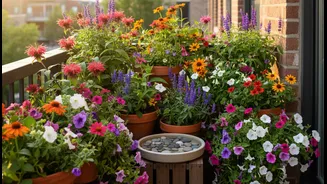
A truly friendly balcony offers more than just nectar. To create a complete habitat, consider adding a few more elements. A shallow dish of water with pebbles or marbles placed in it can provide a safe place for bees and butterflies to drink without drowning. Avoid using chemical pesticides at all costs, as these are harmful to pollinators. Even organic sprays can be detrimental, so it's best to manage pests by fostering a healthy, balanced ecosystem. Finally, group plants together in clusters. Large splashes of colour are more visible and attractive to pollinators than single, scattered plants.