

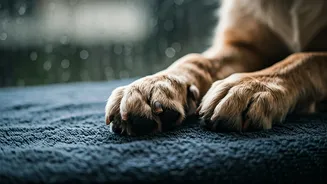


Prioritise Paw Hygiene
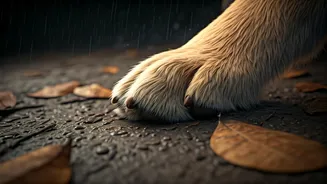
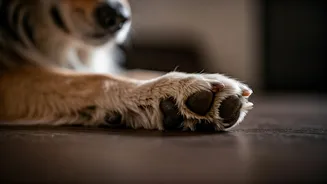
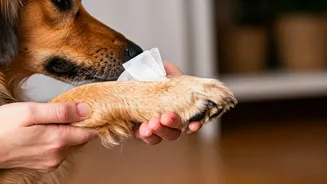
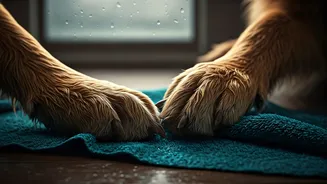
Your pet’s paws are on the frontline, constantly in contact with muddy, wet surfaces that can harbour bacteria and fungus. This makes paw care non-negotiable. After every single walk, thoroughly wipe and dry your pet’s paws, paying special attention to
the spaces between their toes where moisture can get trapped. Consider trimming the hair between the paw pads, as this helps prevent mud and moisture from building up. For a more thorough clean, you can use a pet-safe antiseptic wipe or rinse paws with lukewarm water before drying completely. Using a protective paw balm can also help prevent pads from cracking due to damp conditions.
Adjust Walking Schedules and Gear
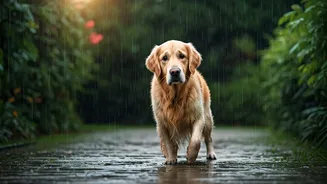
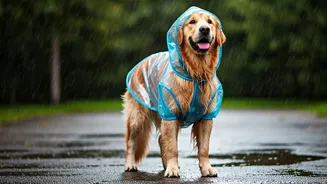
While walks are essential, the monsoon demands flexibility. Try to time walks for periods when the rain subsides. Keep walks shorter during heavy downpours to limit exposure. It’s crucial to avoid letting your pet drink from or wade through stagnant puddles and waterlogged areas. These can be breeding grounds for dangerous bacteria like Leptospira, which causes the serious disease leptospirosis. Investing in a good-quality, breathable raincoat can keep your pet's coat largely dry, reducing post-walk cleanup and the risk of skin infections.
Rethink Grooming and Skin Care
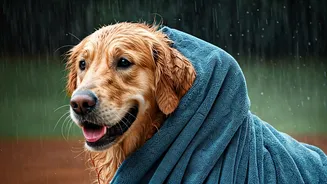
The constant humidity makes this season a peak time for fungal and bacterial skin infections. The key is to keep your pet’s coat as dry as possible. While you should bathe them less frequently to avoid stripping natural oils, regular brushing is essential to prevent matting and improve air circulation to the skin. When they do get wet, towel-dry them thoroughly, perhaps even using a blow-dryer on a low setting. If you notice any redness, itchiness, or a musty odour, it could be a sign of a fungal infection, which may require a vet-recommended antifungal shampoo.
Guard Against Ticks and Fleas
Monsoon is the peak breeding season for ticks and fleas, which thrive in warm, humid conditions. These parasites are not just a nuisance; they can transmit serious illnesses like tick fever. It is vital to be consistent with your pet’s vet-recommended tick and flea prevention, whether it’s a spot-on treatment, collar, or oral medication. After every walk, perform a thorough check of your pet's entire body, especially in hidden spots like between the toes, inside the ears, and in their armpits.
Modify Their Diet and Hydration
With reduced outdoor activity, your pet’s energy needs might decrease, so it's important to adjust their food intake to prevent weight gain. This is also a crucial time to focus on immunity. A balanced, high-quality diet rich in protein and essential nutrients can help strengthen their immune system. Ensure any dry food is stored in an airtight container to prevent it from spoiling or growing mould in the humidity. Always provide fresh, clean drinking water, as contaminated water is a major source of gastrointestinal issues during this season. Changing the water multiple times a day is a good practice.
Keep Them Engaged Indoors
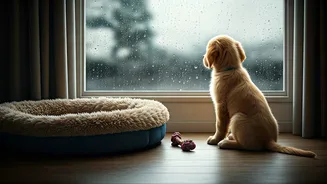
Fewer walks and less time outside can lead to boredom and anxiety. Keep your pet mentally and physically stimulated with indoor activities. Engage them with puzzle toys, treat-dispensing feeders, or scent games where you hide treats around the house. A simple game of hide-and-seek or teaching them a new trick can provide great mental exercise. For cats, cat trees, scratching posts, and wand toys can help them burn off energy indoors. These activities prevent destructive behaviours and keep them content even when they can't go out to play.