







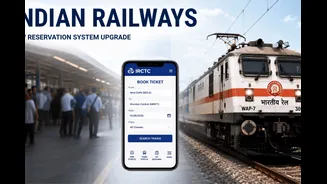
A System Under Unprecedented Strain
For decades, the Indian Railways Passenger Reservation System (PRS) has been the backbone of travel for millions. The previous version, last updated significantly in 2010, was built for a different era. It could handle around 4 lakh enquiries and 32,000
ticket bookings per minute. While impressive, this capacity was frequently overwhelmed by the massive surge in online traffic, especially during festival seasons and the daily Tatkal booking window. This led to the all-too-familiar experience of website crashes, slow loading times, and payment failures, leaving passengers frustrated. With nearly 89% of all reserved tickets now booked online, the need for a more robust system became critical.
The 10x Leap in Enquiry Capacity
Indian Railways, through its technology arm Centre for Railway Information Systems (CRIS), has begun rolling out a next-generation, cloud-based PRS. The headline figure is a massive tenfold increase in enquiry-handling capacity, from 4 lakh to over 40 lakh per minute. But it’s crucial to understand what an 'enquiry' is. An enquiry isn't just a ticket booking; it includes every time a user checks for seat availability, queries a PNR status, looks up a train schedule, or verifies a fare. These actions make up the vast majority of interactions with the system. By strengthening the system's ability to handle these searches, the entire platform becomes more stable and responsive, preventing it from crashing under the initial wave of traffic.
More Enquiries, But More Tickets Too?
While the 40 lakh figure is for enquiries, the capacity for actual bookings is also getting a major boost. The new system is designed to process over 1.5 lakh ticket bookings per minute, a nearly fivefold increase from the previous capacity of around 32,000. This is the most important metric for passengers trying to secure a seat. It means that once you get past the initial search and select your train, the system is far more capable of processing the transaction and payment without failing. This phased migration to the new platform, which has already started, is designed to handle a much higher volume of successful bookings every minute.
Will This Finally Tame the Tatkal Rush?
The Tatkal window is the ultimate stress test for the railway booking system, with millions of users logging in simultaneously. The new, higher capacity is specifically intended to make this experience less chaotic. A system that can handle 1.5 lakh bookings per minute is better equipped to manage the deluge of requests that come in the first few minutes of the Tatkal window opening. While it doesn't create more seats on the train, it dramatically improves the chances that the booking process itself won't fail due to server overload. Early data from the beta version of the new IRCTC website, which is part of this transition, has already shown a measurable improvement in the number of Tatkal tickets booked within the first few minutes. This, combined with measures like mandatory Aadhaar-based authentication for Tatkal, aims to level the playing field for genuine passengers.