


Craving a sweet treat while managing diabetes can feel like a challenge. The world of 'sugar-free' products offers tempting solutions, but not all are created equal. This guide will help you decode labels and make informed choices for dessert.
Understanding the Sweetener Landscape
When you
have diabetes, managing sugar intake is crucial. But this doesn't mean you must give up sweetness entirely. The market is filled with alternatives, which broadly fall into two categories: nutritive and non-nutritive sweeteners. Nutritive sweeteners, like table sugar, jaggery, and honey, contain carbohydrates and calories, and they raise blood sugar levels. Non-nutritive sweeteners, on the other hand, provide intense sweetness with few to no calories or carbs. These include artificial options like sucralose and aspartame, and natural ones like stevia and monk fruit. While these generally don't cause an immediate blood sugar spike, their long-term effects on gut health and insulin sensitivity are still being studied.
How to Decode the Nutrition Label
The back of the package is where the truth lies, not the claims on the front. In India, the Food Safety and Standards Authority of India (FSSAI) mandates specific labelling rules. First, look at the ‘Ingredients’ list. Ingredients are listed by weight, so if a type of sugar or sweetener is among the first few items, the product is high in it. Be aware that sugar has many names, including glucose, dextrose, fructose, maltodextrin, and even fruit juice concentrate. Next, check the ‘Nutritional Information’ panel. Look at 'Total Carbohydrate', not just 'Total Sugars'. A product can be low in added sugar but high in refined flour (maida), which also impacts blood glucose. The 'Added Sugar' line, now a mandatory disclosure, tells you how much sugar was put in during processing.
Common Sweeteners and What to Know
Navigating sweeteners requires understanding the key players. Stevia, a natural, zero-calorie sweetener, doesn't raise blood sugar but can have a slightly bitter aftertaste for some. Monk fruit is another excellent natural option with a clean taste and zero glycemic impact. Artificial sweeteners like sucralose and aspartame are heat-stable and widely used, passing through the body without affecting blood glucose. However, research suggests that high consumption of some artificial sweeteners may alter gut bacteria over time. Sugar alcohols, such as xylitol and sorbitol, are another category. They contain fewer calories than sugar but can still raise blood sugar to a lesser extent and may cause digestive issues in some people. Always check for these in the ingredients list, especially in products labelled 'sugar-free'.
Beyond Sweeteners: The Bigger Picture
A 'sugar-free' label does not automatically mean a food is healthy or diabetes-friendly. Many 'sugar-free' biscuits, cakes, and sweets are made with refined flour (maida) and unhealthy fats, which can negatively affect blood sugar control and overall health. Always check the total carbohydrates, fibre content, and the type of fat used. A product high in dietary fibre can help slow down the absorption of carbohydrates, leading to a more gradual rise in blood sugar. Conversely, products high in saturated or trans fats should be limited. A truly diabetes-friendly dessert is one that considers all its ingredients, not just the absence of sugar.
Smarter, Safer Sweets You Can Make
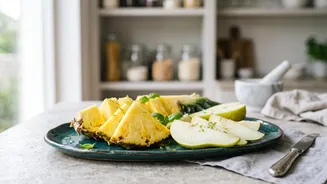
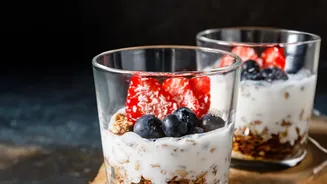
The safest and often most delicious way to enjoy dessert is by making it yourself. This gives you complete control over every ingredient. Simple ideas include a fresh fruit chaat, a bowl of dahi topped with berries and nuts, or a chia seed kheer. For traditional Indian sweets, you can make simple swaps. A ragi or makhana kheer is a much lower glycemic alternative to rice or sabudana kheer. You can also make besan ladoo or coconut barfi using sweeteners like stevia or monk fruit and being mindful of the amount of ghee. Even a small portion of high-quality dark chocolate (70% cocoa or more) can be a satisfying and antioxidant-rich treat. The focus should be on whole, unprocessed ingredients and mindful portion sizes.