




Declutter and Create Airflow
The first step to fighting dampness is giving your fabrics room to breathe. Overstuffed closets and drawers are a primary cause of musty smells because they trap moisture and prevent air circulation. Before the heavy rains set in, take time to declutter
your wardrobe. Pull everything out, decide what to keep, and reorganise your belongings. Ensure there's a small gap between hangers and that folded clothes are not packed too tightly. It’s also wise to pull furniture like wardrobes a few inches away from walls, as this prevents moisture from getting trapped behind them and creating a breeding ground for mould.
Master Your Laundry Routine
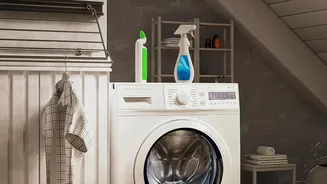
During the monsoon, you cannot let laundry pile up. Wash smaller batches more frequently to prevent damp, sweaty clothes from sitting in the hamper, which encourages bacterial growth and odours. Use an anti-bacterial detergent and consider adding half a cup of white vinegar to the final rinse cycle. Vinegar is a natural disinfectant that helps kill mould spores and remove any lingering detergent residue without leaving a smell. When you can't sundry, hang clothes indoors in a well-ventilated area, leaving at least an inch of space between items to speed up drying. Using a fan to circulate air can make a significant difference.
Harness Natural and Commercial Moisture Absorbers
Strategically placing moisture absorbers in your closets, drawers, and storage boxes is crucial. You have several options, from traditional home remedies to commercial products. Small bags of activated charcoal or camphor balls are excellent for absorbing both moisture and odours. You can also place silica gel packets, the kind often found in new shoe boxes, on shelves and in drawers. For a simple DIY solution, an open box of baking soda or a bowl of rock salt can effectively draw humidity from the air in smaller, enclosed spaces like cupboards.
Choose the Right Storage Solutions
How you store your fabrics is just as important as how you wash and dry them. The golden rule of monsoon storage is to never put away anything that is even slightly damp. If an item feels dry to the touch but has been drying indoors, run a hot iron over it to remove any residual moisture before folding. For items you won't use frequently during the season, store them in breathable cotton or muslin bags instead of plastic containers, which trap humidity and can lead to mildew. This is particularly important for delicate fabrics or special occasion wear.
Embrace the Power of Sunlight (When Available)
While sunny days can be rare during the monsoon, you should make the most of them. Sunlight is a natural disinfectant. Whenever the sun makes an appearance, open your windows and the doors of your cupboards. Let the sunlight and fresh air circulate through your home to naturally remove musty smells and kill odour-causing bacteria. If possible, hang clothes, bedding, and towels outside, even for a short while. This exposure helps to completely dry out fibres and leave them smelling fresh in a way that indoor drying can't fully replicate.
Pay Attention to Fabric Types
Some fabrics are simply better suited for the monsoon season. Heavy materials like denim, velvet, and thick woolens trap a lot of moisture and take a very long time to dry. During these months, it’s wise to prioritise lightweight, breathable fabrics like cotton, linen, and some synthetic blends that dry much faster. For your home textiles, consider swapping heavy curtains for lighter, sheerer options and choose pure cotton bedsheets, which release moisture more effectively than polyester blends.