



Understanding Cat-Cow Pose
Known in Sanskrit as Marjaryasana-Bitilasana, Cat-Cow is not one pose but a flowing movement between two. It's a gentle sequence designed to warm up the spine by moving it through both flexion (rounding like a cat) and extension (arching like a cow).
This dynamic motion helps lubricate the spinal joints, relieve tension, and improve body awareness by syncing breath with movement. Often used at the beginning of yoga classes, it is an excellent standalone stretch to counter the effects of a sedentary day.
Your Starting Position: Tabletop
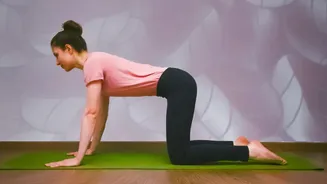
Proper alignment is key to a safe and effective practice. Begin on your hands and knees in what is called a 'tabletop' position. Your hands should be directly under your shoulders, and your knees should be directly under your hips, creating a stable, box-like foundation. Spread your fingers wide to distribute your weight evenly across your palms, which helps protect your wrists. Your spine should start in a neutral, flat position, with your gaze directed toward the floor to keep your neck long.
Flowing with Your Breath
The magic of Cat-Cow lies in its connection to the breath. Begin with an inhale as you move into Cow Pose. Let your belly drop toward the mat, lift your tailbone and chest toward the ceiling, and broaden across your collarbones. Your gaze can gently lift forward, but avoid crunching your neck by throwing your head back. As you exhale, transition into Cat Pose. Press the floor away with your hands, tuck your tailbone under, and round your spine toward the ceiling, like a cat arching its back. Allow your head to hang heavy, bringing your chin toward your chest. Continue flowing smoothly between these two shapes for 5 to 10 full breaths.
The Core Benefits
Practiced regularly, Cat-Cow offers significant benefits. It is one of the best exercises for improving spinal mobility and flexibility, which can help reduce general stiffness and improve posture. The gentle movement activates and strengthens the entire core—not just the abdominal muscles, but the supportive muscles of the lower back as well. This can provide relief from back pain, especially the kind caused by long hours of sitting. Furthermore, the rhythmic coordination of breath and movement has a calming effect on the nervous system, helping to reduce stress and mental clutter.
Modifications for Every Body
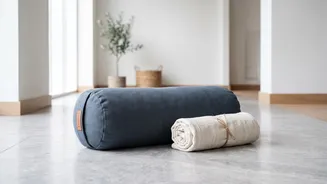
The traditional pose isn't accessible to everyone, but simple modifications can make it comfortable and safe. If you have sensitive knees, place a folded blanket or towel underneath them for extra cushioning. For wrist pain, you can come onto your fists with a neutral wrist position or lower down onto your forearms instead of your hands. Cat-Cow can also be practiced completely off the floor. A seated version in a chair, with hands on your knees, provides the same spinal movement and is perfect for an office break. A standing variation can also be done by placing your hands on a wall or the back of a sturdy chair.