






The 'Natural' Illusion
The term “natural” on a food label can be misleading. In India, the Food Safety and Standards Authority of India (FSSAI) has guidelines, but the term is often used more for marketing than for strict definition. A recent FSSAI advisory aims to restrict
the use of claims like "100% natural" unless the product is entirely made from that ingredient. Many so-called natural sweeteners, like stevia and monk fruit, are derived from plants but undergo significant processing before they reach your kitchen. Others, like honey and maple syrup, are less processed but are still sources of sugar and calories. The word “natural” doesn’t automatically equate to “healthy.”
A Tour of Popular Sweeteners
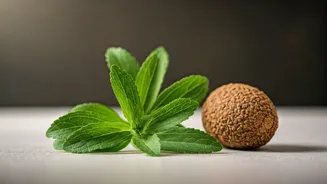
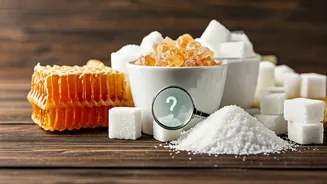
The world of natural sweeteners is vast, spanning traditional Indian choices and newer global trends. Jaggery (gur), a staple in many Indian households, is made from sugarcane juice or palm sap and retains more minerals like iron and magnesium than refined sugar. Similarly, coconut sugar, date syrup, and raw honey are often touted as better alternatives because they contain trace nutrients and antioxidants. On the other end are zero-calorie sweeteners like stevia, monk fruit, and sugar alcohols such as erythritol. Stevia is a plant extract, while monk fruit comes from a small Asian melon. Erythritol is a sugar alcohol found naturally in some fruits but is commercially produced through fermentation. These are popular in 'keto' and diabetic-friendly products because they don't spike blood sugar levels.
Are They Actually Healthier?
This is the crucial question. For sweeteners like jaggery and honey, the answer is nuanced. While they do contain more vitamins and minerals than white sugar, they are still high in calories and sugar. They have a slightly lower glycemic index, meaning they raise blood sugar more slowly, but should still be used in moderation, especially by those with diabetes. Zero-calorie sweeteners like stevia and monk fruit offer sweetness without the calories or blood sugar impact, which can be beneficial for weight management and diabetes. However, they are not without controversy. Some studies have raised concerns about the long-term effects of frequent consumption, and sugar alcohols like erythritol can cause digestive issues for some people. One 2023 study even linked erythritol to an increased risk of blood clotting, heart attack, and stroke, although more research is needed.
How to Become a Label Detective
The key to making informed choices lies in reading the nutrition label and ingredient list. Don't just fall for the claims on the front of the package. Under FSSAI regulations, labels must list ingredients in descending order by weight. If sugar or one of its many aliases is one of the first few ingredients, the product is likely high in sugar. Be aware that sugar goes by over 60 names, including corn syrup, fructose, sucrose, dextrose, and maltose. Also, look for the "Added Sugars" line on the nutrition facts panel, which tells you how much sugar was put in during processing, separate from the sugars naturally present in ingredients like fruit or milk. A product is considered low in sugar if it has 5% or less of the daily value (%DV) and high if it has 20% or more.
The Bigger Picture: Whole Foods First
While choosing a less processed sweetener over refined white sugar can be a small step in the right direction, obsessing over which sweetener is 'best' can miss the forest for the trees. A healthier diet focuses on reducing overall added sugar intake, not just swapping one type for another. Prioritizing whole, unprocessed foods like fruits, vegetables, and whole grains—which contain natural sugars packaged with fibre and nutrients—is a far more effective strategy for long-term health. The sweetest reward comes from a balanced diet, where these sweeteners are used mindfully for occasional treats rather than becoming a daily necessity.