






The ‘Health Halo’ Illusion
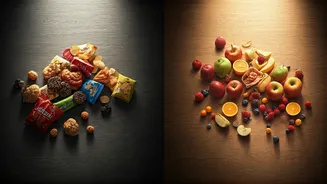
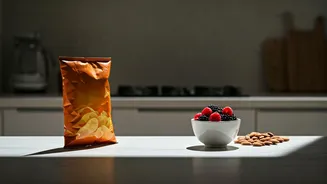
The front of a snack packet is prime marketing real estate. Words like “baked, not fried,” “multigrain,” or “zero cholesterol” create a “health halo,” making us believe the product is good for us. We see these claims and automatically assume they are
a better choice, often without flipping the packet over to check the real story. Food companies in India and abroad know this well. They strategically use green packaging and health-forward buzzwords to sell an idea of fitness. The problem is that these claims often distract from less desirable truths hidden in the nutrition label, such as high levels of sodium, refined carbohydrates, and minimal nutrient density. This illusion can lead to overconsumption, as we feel less guilty about eating something we perceive as healthy.
The ‘Baked, Not Fried’ Myth
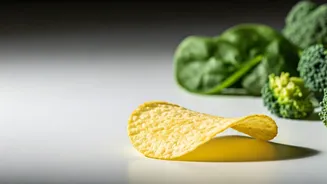
One of the biggest selling points for diet chips is that they are baked, not fried. This sounds healthier because it implies less oil and fat. While baked chips generally do have fewer calories and less fat than their deep-fried counterparts, the difference is often minimal and doesn't automatically make them a healthy food. To achieve a satisfying taste and texture without deep frying, manufacturers often add more starches, sugars, and flavour enhancers. This can result in baked chips having a higher carbohydrate count than regular chips. Furthermore, some studies show that while fried chips may retain more potassium and vitamin C from the potato, these nutrients are often lost in the baking process. So, while you might be saving a few fat grams, you could be consuming a more highly processed product with fewer micronutrients.
The Hidden Sodium Bomb
Whether baked or fried, packaged chips are almost always high in sodium. Salt is a cheap and effective way to make processed foods taste irresistible. Many packaged snacks, including those marketed as healthy, contain high levels of sodium which can exceed 600mg per 100g. Excessive sodium intake is a major public health concern, linked to high blood pressure and an increased risk of heart disease. The recommended daily limit is around 2000-2300mg, and a single serving of chips can easily contribute a significant chunk of that. The marketing may focus on low fat, but the high sodium content is often overlooked by consumers, posing a hidden risk to their cardiovascular health.
The Empty Calorie Problem
A key measure of a good snack is its ability to provide satiety and useful nutrients. Unfortunately, most diet chips offer little more than “empty calories.” They are typically made from refined starches like potato or corn flour, which are stripped of their fibre and nutrients. This means they provide a quick spike in blood sugar but don't keep you feeling full for long. You might find yourself reaching for more food shortly after, defeating the purpose of a fitness-conscious snack. Truly beneficial snacks should offer a combination of protein, healthy fats, and fibre, which help stabilise blood sugar and provide sustained energy. Diet chips rarely fit this profile, making them a poor choice for anyone serious about fueling their body for fitness.
Smarter Swap: Roasted Makhana (Fox Nuts)
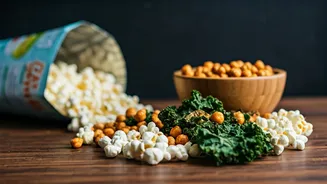
For a light, crunchy snack that delivers real benefits, look no further than makhana. Also known as fox nuts or lotus seeds, makhana is low in calories, cholesterol, and sodium. It is rich in protein, magnesium, potassium, and antioxidants. Roasting a bowl of makhana at home with a tiny bit of ghee or oil and a sprinkle of salt and spices gives you a satisfyingly crunchy snack without the guilt. Unlike processed chips, makhana supports heart health, aids digestion with its fibre content, and has a low glycemic index, making it great for managing blood sugar levels.
Smarter Swap: Spiced Roasted Chana (Chickpeas)
Roasted chana, or chickpeas, are a nutritional powerhouse and a fantastic alternative to chips. They are packed with plant-based protein and fibre, which are crucial for weight management as they promote a feeling of fullness and help control hunger. A 100g serving of roasted chickpeas offers nearly double the protein and significantly more fibre than makhana. You can easily make them at home by baking chickpeas with your favourite spices until they are crispy. This traditional Indian snack is not only delicious and crunchy but also helps in improving digestion and managing blood sugar levels, making it an excellent choice for a pre- or post-workout snack.
Smarter Swap: Vegetable Sticks with Hummus
If you crave a crunch, raw vegetables are one of the best options available. Sliced carrots, cucumbers, bell peppers, and celery offer a satisfying crunch with high water content and minimal calories. Pairing them with hummus transforms them into a complete and delicious snack. Hummus, made from chickpeas, provides protein, fibre, and healthy fats, ensuring you feel full and satisfied. This combination provides a wide array of vitamins and minerals, unlike the empty calories of processed chips. It’s a fresh, vibrant, and incredibly nutritious way to handle snack cravings without derailing your fitness progress.