





A Mandate from the Top
The most significant push for widespread climate education is coming from a foundational shift in national policy. The National Education Policy (NEP) 2020 explicitly calls for integrating environmental awareness and sensitivity towards conservation into
the school curriculum from an early age. This isn't about adding another heavy textbook to a child's bag. Instead, the focus is on experiential learning—making students understand concepts like resource scarcity, pollution, and biodiversity through hands-on projects, local field visits, and community engagement. By embedding these principles across subjects like science, social studies, and even arts, the policy aims to nurture a generation that doesn't just know the facts about climate change but feels a personal responsibility towards environmental stewardship. This top-down approach ensures a standardised, foundational knowledge base for millions of students, creating a ripple effect that travels from the classroom to the family dinner table.
The Power of Grassroots Champions
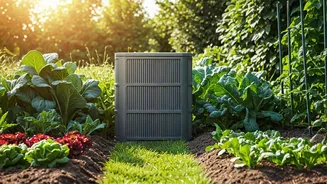
While policy provides the framework, the real work of translating ideas into action often happens on the ground. Non-governmental organisations (NGOs) and civil society groups across India have been pioneers in this domain for years, and their efforts are now scaling up. Organisations like the Centre for Science and Environment (CSE) and The Energy and Resources Institute (TERI) develop accessible, multilingual content, toolkits, and training programmes for teachers and students. They run 'eco-clubs' in schools, organise national-level green Olympiads, and conduct workshops on everything from waste segregation and composting to water harvesting. These groups act as crucial bridges, taking complex scientific data and turning it into relatable, actionable lessons for local communities. They understand that a farmer in rural Maharashtra and a student in urban Bengaluru face different environmental challenges, and they tailor their educational outreach accordingly, making the message relevant and impactful.
The Digital Megaphone
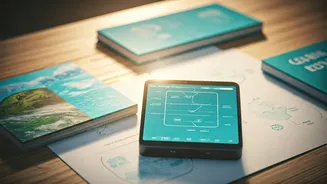
Perhaps the most dynamic force bringing climate conversations into our homes is the digital revolution. Climate education is no longer confined to formal settings. It’s on your Instagram feed, in your YouTube recommendations, and discussed in WhatsApp groups. A new generation of Indian science communicators, content creators, and 'eco-influencers' are breaking down climate science into short, engaging, and visually compelling formats. They use regional languages to explain the impact of heatwaves, create viral reels on sustainable lifestyle swaps, and host live sessions with experts. This democratisation of information means anyone with a smartphone can learn about the carbon footprint of their food, the importance of mangroves, or the latest developments in renewable energy. Apps focused on tracking personal carbon emissions or identifying plant species are turning education into an interactive game, empowering individuals of all ages to learn at their own pace.
From Knowledge to Everyday Action
Ultimately, the goal of this widespread educational push is not just to create awareness but to inspire action. The new wave of climate education focuses heavily on empowering individuals with the knowledge to make informed choices. It's about connecting the dots between global climate patterns and local realities. When a family understands why their city is flooding more frequently or why summer temperatures are breaking records, they are more likely to support and adopt solutions. This education encourages tangible steps: reducing single-use plastics, conserving electricity and water, supporting local and seasonal produce, and participating in community clean-up drives. It aims to cultivate a culture of sustainability where environmental consciousness is not an occasional activity but an integral part of daily life. The idea is to build a groundswell of individual actions that, when multiplied across the country, can lead to significant collective impact.