
From Waste to Wellness
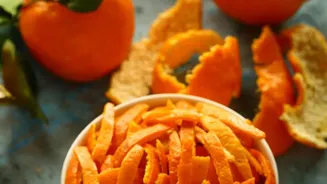
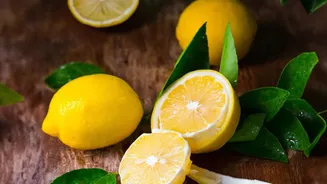
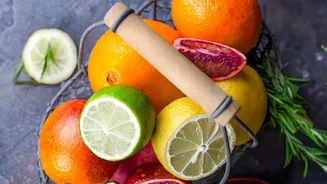
Every time we squeeze a lemon or peel an orange, the leftover rind typically ends up in the bin. It’s a mountain of fragrant waste, but it doesn’t have to be. Those peels are packed with beneficial compounds that the fruit itself contains, sometimes in even
higher concentrations. They are a fantastic source of dietary fibre, Vitamin C, and potent plant compounds called flavonoids. By repurposing these peels, you not only take a step towards a more sustainable, zero-waste kitchen but also unlock a powerful nutritional resource that is otherwise lost.
The Gut-Friendly Secret
The term "gut-friendly" isn't just a buzzword here. Citrus peels are rich in pectin, a type of soluble fibre that acts as a prebiotic. Think of prebiotics as the preferred food for the good bacteria living in your digestive system. A thriving community of beneficial gut microbes is essential for smooth digestion, a strong immune system, and even reducing inflammation throughout the body. Studies have shown that compounds in citrus peel can encourage the growth of healthy bacteria like Lactobacillus, helping to create a balanced internal ecosystem. So, this chutney does more than just taste good; it actively supports your digestive wellness.
Hack #1: Taming the Bitterness
The biggest hurdle when cooking with citrus peel is its natural bitterness, which comes from compounds in the white pith. Ignoring this step will result in a chutney that’s unpleasantly sharp. Luckily, the hack is simple: blanching. Finely chop the peels from two to three large oranges or lemons, removing any seeds. Place the chopped peels in a saucepan, cover with water, and bring to a boil. Let them boil for about 10 minutes, then drain the water completely. Repeating this process one or two more times will significantly reduce the bitterness, leaving you with a tender peel that’s ready to absorb flavour.
A Simple, Flavourful Chutney Recipe
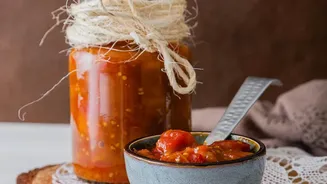
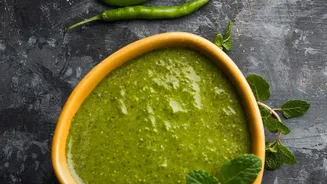
Once your peels are blanched and ready, making the chutney is straightforward. In a pan, heat a tablespoon of oil and temper half a teaspoon of mustard seeds. Add a finely chopped onion, a teaspoon of grated ginger, and a clove of minced garlic, sautéing until fragrant. Now, add your blanched citrus peels, along with spices like half a teaspoon of turmeric and red chilli powder to taste. Stir in about a cup of water, a tablespoon of tamarind paste for tang, and roughly half a cup of jaggery or brown sugar for a deep sweetness. Add salt to taste, bring the mixture to a simmer, and let it cook for 20-30 minutes, or until the chutney thickens to a jam-like consistency and the peels are soft.
Hack #2: Elevate Your Chutney
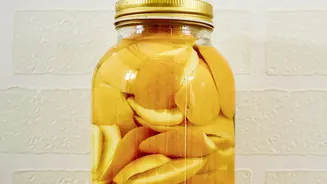
This basic recipe is a perfect canvas for experimentation. For a richer flavour, try a traditional Indian 'panch phoran' spice blend instead of just mustard seeds. For extra sweetness and texture, add a handful of raisins or chopped dates in the last 10 minutes of cooking. If you don't have tamarind, a splash of apple cider vinegar can provide the necessary acidity to balance the sweetness. Once cooked, let the chutney cool completely before storing it in a clean, airtight glass jar in the refrigerator. The flavours will continue to meld and deepen over the next couple of days.