








A Landscape Reborn in Green
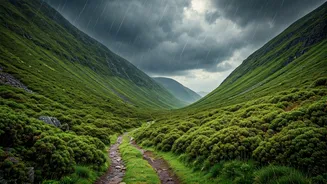
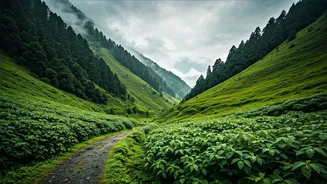
The most immediate change the monsoon brings to Sikkim is an explosion of life and colour. The landscape, washed clean by the rain, transforms into a vibrant tapestry of impossible greens. Hillsides that were merely pleasant in spring become lush, emerald
sanctuaries. This is the season when waterfalls, both big and small, come to life, cascading down mountainsides in spectacular fashion. Perennial giants like Kanchenjunga Falls roar with full force, while countless temporary streams appear, carving silvery paths through the dense foliage. The air grows heavy with the scent of wet earth and blooming wildflowers, creating a sensory experience that is both refreshing and profound. Mist and clouds descend into the valleys, wrapping monasteries and villages in a soft, ethereal embrace, making every view feel like a living watercolour painting.
The Allure of Quiet Contemplation
While the peak tourist seasons in spring and autumn are defined by clear mountain views and bustling activity, the monsoon offers something quieter: solitude. With fewer travellers, popular destinations become more personal and serene. Imagine visiting a monastery like Pemayangtse or Rumtek, not amidst a throng of tourists, but enveloped in mist and the gentle drumming of rain. The experience shifts from sightseeing to something more meditative. This is the perfect time for slow travel, for sitting in a cozy café in Gangtok with a hot cup of local Temi tea, watching the clouds drift by. The rhythm of life slows down, offering a chance to connect more deeply with the local culture, whether by exploring the Directorate of Handlooms and Handicrafts on a rainy afternoon or having unhurried conversations with locals in a homestay.
An Adventure for the Prepared
A monsoon journey in Sikkim is not without its challenges, and it's best suited for the flexible and well-prepared traveller. Heavy rains can cause landslides, leading to temporary road closures and travel delays. It’s wise to build buffer days into your itinerary and stay updated on weather conditions. High-altitude destinations in North Sikkim, such as Gurudongmar Lake, Lachen, and Lachung, are often inaccessible and best avoided during this time. Instead, focus on the relatively safer and well-connected regions of East, West, and South Sikkim, including Gangtok, Pelling, Namchi, and Ravangla. Hiring an experienced local driver who understands the mountain roads is crucial for a safe journey. For those willing to embrace a bit of unpredictability, the rewards are immense.
Practical Perks and Unique Sights
Beyond the atmospheric beauty, a monsoon visit has practical advantages. It's the off-season, which means you can often find significant discounts on flights, accommodations, and local transport, making it a budget-friendly option. This season also offers a chance to witness unique cultural festivals like Drukpa Tshechi and Tendong Lho Rum Faat, which provide an authentic glimpse into Sikkimese traditions. Photographers will find themselves in a dreamscape of mist, vibrant flora, and dramatic skies. For nature lovers, it's a prime time for birdwatching, as many rare species are active during these months. A trip to the mighty Teesta River, swollen and powerful, offers a humbling spectacle of nature's force, with opportunities for rafting on days with milder rain.