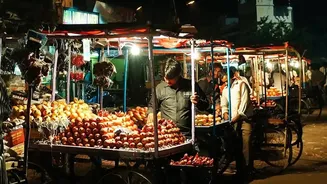






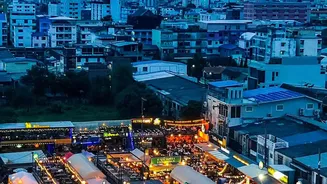

In an era dominated by e-commerce giants, many assume the days of the local neighborhood shop are numbered. Yet, across India, these community hubs are not just surviving; they're thriving by embracing a powerful, counterintuitive strategy.
The New Battlefield for Retail
For decades,
the neighbourhood kirana store or local shop was an irreplaceable part of daily life. Today, it faces intense competition. The surge of e-commerce, with its vast catalogues and rapid delivery, has fundamentally changed consumer expectations. This has put immense pressure on traditional retailers, who often struggle with challenges like inefficient supply chains, high operational costs, and the need to integrate technology. While narratives often pit online against offline, the reality is more nuanced. A vast majority of Indian retail, over 80%, still flows through these neighbourhood stores, proving their deep-rooted importance in the community. The question, then, isn't whether they will survive, but how they will evolve to remain essential in a crowded marketplace.
A Strategic Pivot to Authenticity
The most successful local hubs are fighting back not by trying to beat e-commerce giants at their own game of speed and scale, but by offering something they can't: genuine authenticity. A significant trend shows Indian consumers are increasingly drawn to homegrown, small-business brands. According to one survey, over half of Indian shoppers now prefer to buy from local brands, citing relatable stories and authentic value as key reasons. This isn't just about patriotism; it's a search for quality, transparency, and a connection to the product's origin. Consumers are reading labels, researching ingredients, and valuing the story behind what they buy. This conscious consumerism has created a fertile ground for hubs that stock unique, regionally-sourced products.
The Power of a GI Tag
A key part of this strategy involves leveraging products with a Geographical Indication (GI) tag. A GI tag is a legal certification that a product originates from a specific region and possesses qualities unique to that location. Think Darjeeling Tea, Kanchipuram Silk, or Channapatna Toys. This tag serves as a guarantee of authenticity for consumers, protecting them from cheap imitations. For artisans and producers, it's a powerful tool that allows them to command higher prices, access global markets, and preserve traditional knowledge. By stocking GI-tagged products, a local hub transforms from a simple convenience store into a curator of culture. It offers customers a chance to buy items with a verifiable story and superior quality, something that mass-market retailers struggle to replicate.
More Than a Store, a Community Anchor
Offering authentic goods does more than just boost sales; it deepens the store's role as a community anchor. These hubs become destinations where people can discover unique local flavours and crafts, fostering a sense of neighborhood pride. This model creates a virtuous cycle: the store supports local artisans and farmers by providing a market for their goods, and in turn, customers support the store because it offers products they can't find elsewhere. This relationship builds a level of trust and loyalty that price discounts alone cannot achieve. By combining a unique product mix with social and functional needs, these spaces encourage foot traffic and become lively centres for commerce and ideas.
The Road Ahead: Challenges and Opportunities
This model is not without its difficulties. Sourcing unique regional products can be logistically complex, and small-scale producers may struggle to ensure a consistent supply. Furthermore, while consumers say they value authenticity, price sensitivity remains a major factor in purchasing decisions. However, the opportunity is immense. The rise of 'phygital' retail—blending a physical storefront with a digital presence for local delivery—allows these hubs to combine traditional trust with modern convenience. Many are leveraging technology to manage inventory and reach a wider, city-wide customer base. As consumer pride in homegrown products continues to grow, neighbourhood hubs that position themselves as champions of regional heritage are not just staying relevant; they are defining the future of local retail in India.