




The Sattvic Approach to Shravan
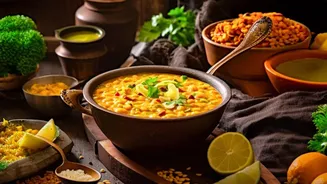
Shravan falls during the monsoon, a time when Ayurveda suggests our digestive fire (agni) is weaker. The traditional diet for this month is 'sattvic', meaning pure, light, and easy to digest. This approach avoids heavy, processed, and tamasic (dull) foods
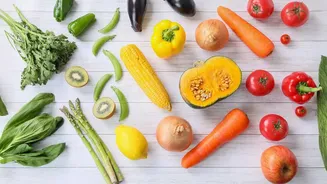
like onion and garlic, focusing instead on fresh produce that calms the mind and body. Eating seasonally not only aligns with this principle but also ensures you get the most flavourful and nutrient-dense foods available.
Bottle Gourd (Lauki): The Hydrating Staple
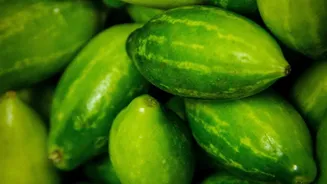
A cornerstone of fasting diets, lauki is incredibly versatile and light on the stomach. Composed of over 90% water, it's excellent for staying hydrated, a common challenge during fasts. Its cooling properties are beneficial during the humid monsoon season. It's also packed with fibre, which aids digestion. You can enjoy it in simple sabzis (cooked with rock salt or sendha namak), soups, or even as a halwa for a nutritious sweet treat.
Bananas: Your Instant Energy Source
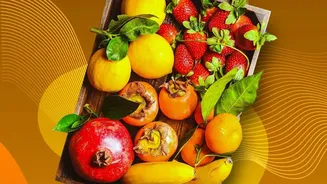
When fasting leaves you feeling drained, a banana is one of the best sources of quick, natural energy. Rich in potassium and carbohydrates, it helps replenish energy stores and prevents muscle cramps. It's a perfect fruit to start your day with or have as a fulfilling snack between meals. You can have them plain, add them to a fruit salad, or blend them into a milkshake with other vrat-friendly ingredients for a complete, nourishing drink.
Sweet Potato (Shakarkandi): The Nourishing Root
Sweet potatoes are a fantastic vrat-friendly vegetable that provides complex carbohydrates, ensuring a slow and steady release of energy. Unlike regular potatoes, they are richer in fibre and vitamins, particularly Vitamin A. Roasting or boiling them is a simple and healthy way to prepare them. A popular way to enjoy them is as a simple chaat, mixed with sendha namak and a squeeze of lemon juice, offering a delicious and satisfying meal.
Pomegranate (Anaar): The Antioxidant Powerhouse
These ruby-red jewels are not just beautiful; they are packed with powerful antioxidants and vitamins. During a restricted diet, pomegranates can give your immune system a much-needed boost. They are great for heart health and add a burst of freshness to any dish. Sprinkle the seeds over fruit salads, sabudana khichdi, or mix them into a bowl of curd (dahi) for a refreshing and nutrient-rich addition to your meal.
Taro Root (Arbi): The Comforting Carb
Arbi is another root vegetable widely consumed during fasting periods across India. It's a good source of dietary fibre and essential minerals. When cooked properly, it has a satisfying, starchy texture that provides comfort and satiety. It can be prepared as a simple, dry stir-fry with mild spices like cumin and black pepper, which are permitted during the Shravan fast.
Cucumber (Kakdi/Kheera): Cool and Refreshing
Cucumber is an ideal food for Shravan, especially given the humid monsoon weather. Its high water content helps keep you hydrated and feeling fresh. As a cooling food, it aligns perfectly with the sattvic dietary principles of calming the body. It's best eaten raw in salads or as slices sprinkled with a little rock salt. You can also blend it into a refreshing juice or add it to curd to make a simple raita.
Apples and Pears: Fibre-Rich and Filling
Both apples and pears are excellent choices for Shravan fasting. They are rich in dietary fibre, which helps you feel full for longer and aids in maintaining a healthy digestive system. Pears, in particular, are a monsoon season fruit in India and are at their nutrient-dense best during this time. Both fruits provide essential vitamins and a natural sweetness to curb sugar cravings in a healthy way. They can be enjoyed as a simple snack anytime.