







The ₹500 Visa Explained
The most talked-about part of planning a Japan trip is often the visa, and for good reason. For Indian passport holders, the news is excellent. While Japan announced a global hike in its visa fees effective from July 1, 2026, the arrangement for Indians
remains unchanged. The Embassy of Japan in India has confirmed that the visa fee for Indian citizens will continue to be just ₹500 for both single and multiple-entry visas. This special concessional rate makes Japan one of the most affordable destinations for Indians in terms of visa costs. Applications are processed through VFS Global centres, and it's advisable to apply up to three months before your travel date. Keep in mind that in addition to the visa fee, there is a standard VFS service charge of around ₹800 per application. Japan also introduced an eVISA system for certain travellers in 2024, which can further streamline the process.
Securing Your Flights
Your flight will be the largest expense, but with smart planning, you can find reasonable fares. Direct flights to Tokyo from cities like Delhi are available, with an average flight time of about eight hours. However, connecting flights via Southeast Asian hubs often offer significant savings. Airlines like Vietjet Air, Vietnam Airlines, and Scoot frequently have competitive prices. Round-trip economy fares can vary widely depending on the season. The winter months of December to February are generally the cheapest, with fares potentially dropping to between ₹40,000 and ₹55,000. Conversely, the famous cherry blossom season in spring (March-May) is the most expensive time to fly, with prices often exceeding ₹80,000. To get the best deals, book several months in advance and consider travelling during the shoulder seasons of late May to June or October to November, which offer pleasant weather and more moderate flight costs.
Finding the Right Accommodation
Japan offers a vast range of accommodation to fit every budget and travel style. For those looking to save, hostels and guesthouses are plentiful, with dorm beds typically costing between 2,000 and 6,000 yen (approx. ₹1,100–₹3,300) per night. Capsule hotels offer a unique and affordable experience, usually priced between 3,000 and 5,000 yen (approx. ₹1,600–₹2,700). For more privacy, business hotels are a fantastic option. These no-frills hotels are clean, convenient, and often located near train stations, with single rooms ranging from 7,000 to 15,000 yen (approx. ₹3,800–₹8,100). If you want to experience traditional Japanese hospitality, a stay in a ryokan (traditional inn) is a must, though it is a pricier option. Prices often include exquisite meals and can range from 15,000 to 25,000 yen (approx. ₹8,100–₹13,500) per person.
Choosing the Best Time to Go
Japan is a country of four distinct and beautiful seasons, each offering a different experience. Spring (March to May) is the most popular time to visit, famous for its iconic cherry blossoms (sakura). However, this beauty comes with large crowds and peak pricing. Autumn (September to November) is another excellent choice, offering comfortable, cool weather and stunning autumn foliage (koyo). Summer (June to August) is hot and humid, but it's also the season for vibrant festivals and climbing Mount Fuji. Winter (December to February) is ideal for budget travellers and winter sports enthusiasts, with fewer crowds and lower prices, especially in cities like Tokyo and Kyoto. Ultimately, the best time to visit depends on what you want to see and do.
Essential Pre-Travel Planning
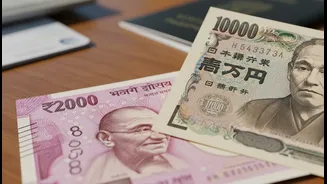
Once your visa, flights, and primary accommodation are sorted, a few more details will ensure a smooth trip. For extensive travel across the country, consider purchasing a Japan Rail (JR) Pass before you leave India, as it can offer significant savings on bullet train (Shinkansen) and other JR train services. You'll also need to think about local currency. While credit cards are widely accepted in cities, Japan is still a cash-friendly society, especially in smaller towns and for smaller purchases, so having a good amount of Japanese Yen on hand is crucial. Finally, map out a rough itinerary. Whether you're focusing on the bustling energy of Tokyo and Osaka or the cultural heart of Kyoto and Nara, having a day-by-day plan helps you make the most of your time and budget for entrance fees and local transport.