





The Hassle of the Hub-and-Spoke
Until recently, the journey for many regional travellers in India was anything but direct. Planning a trip from a city like Darbhanga in Bihar to Gwalior in Madhya Pradesh often involved what's known in aviation as the "hub-and-spoke" model. This meant
catching a flight to a major hub like Delhi or Mumbai, waiting for a connection, and then flying to your final destination. This circular routing turned what should have been a short journey into a day-long ordeal, adding hours of travel time, the stress of tight connections, and often, significant extra cost. This system, while efficient for airlines consolidating passenger traffic, created major inefficiencies for people living outside the country's largest metropolitan areas, effectively keeping smaller cities feeling distant and disconnected.
A Direct Change in the Air
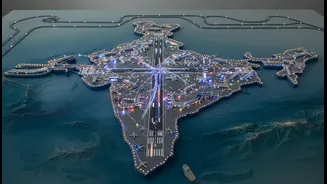
A quiet revolution is underway, driven largely by the government's Regional Connectivity Scheme, known as UDAN (Ude Desh ka Aam Naagrik). Launched in 2016, the scheme was designed to make air travel affordable and accessible for the common citizen by developing and operationalising hundreds of underused or unserved airports. By providing financial support to airlines to operate on these 'thinner' routes, UDAN has incentivised them to launch direct flights between regional centres, bypassing the traditional hubs. In July 2026, a Modified UDAN scheme was launched to continue this expansion over the next decade, with plans to develop 100 new airports from existing airstrips. This strategic shift is fundamentally changing how Indians travel, making the network more of a point-to-point grid rather than a hub-centric wheel.
New Routes, New Possibilities
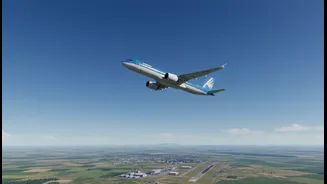
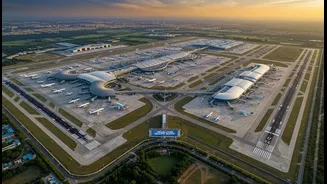
Airlines like IndiGo and Akasa Air are aggressively expanding their networks to capitalise on this growing demand. Recent announcements paint a picture of a more connected India. Akasa Air, for instance, launched new routes connecting Bengaluru with Darbhanga and Delhi with Gwalior. It also became one of the first airlines to operate from the new Noida International Airport, launching direct flights to Bengaluru and Navi Mumbai. Similarly, IndiGo has been enhancing connectivity across tier-2 and tier-3 cities, with new routes such as Jaipur to Guwahati and seasonal services like Bengaluru to Jaisalmer. Alliance Air recently launched the first-ever direct flight between Delhi and the union territory of Daman, a significant boost for regional access. Even international connectivity from smaller cities is growing, with routes like Indore to Abu Dhabi and Guwahati to Dubai. These new links are not just lines on a map; they represent saved hours, new business opportunities, and easier family visits.
Boosting Local Economies and Tourism
The benefits of this expanding network extend far beyond passenger convenience. Direct air connectivity is a powerful catalyst for economic growth in smaller cities and regions. Studies have consistently shown that improved air links boost tourism, trade, and investment. A new flight to a city like Jaisalmer, for example, makes it more accessible for tourists, supporting local hotels, restaurants, and artisans. For a business owner in Gorakhpur, a direct flight to a commercial centre like Navi Mumbai can mean easier access to markets and suppliers. This increased mobility fosters a sense of economic inclusion, integrating regional economies more deeply into the national mainstream. According to some studies, every 100 jobs created in air transport can lead to over 600 jobs in the wider economy.
Airlines Betting on Regional India
The success of this shift relies on airlines seeing a viable business case. Both established carriers and new entrants are showing confidence in the regional market. IndiGo has made connecting tier-2 cities a core part of its strategy, while Akasa Air is rapidly building its presence across the country, linking cities like Ayodhya, Gorakhpur, and Srinagar. The landscape is also set to become more competitive with three new regional airlines — Shankh Air, Al Hind Air, and FlyExpress — receiving initial approvals. This increased competition is likely to drive fares down and improve service quality for passengers. While challenges like operational costs remain, the clear trend is that airlines are no longer focused solely on the high-density metro routes. They are increasingly betting on the growth potential of a more connected, more mobile India.