




A Paradise Under Pressure
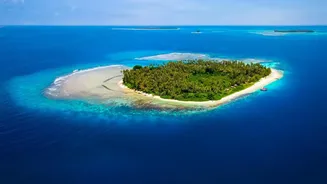
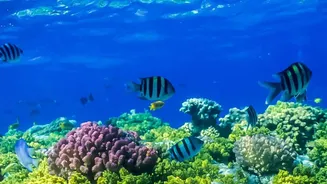
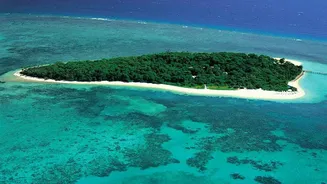
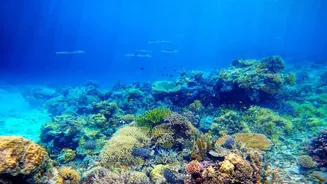
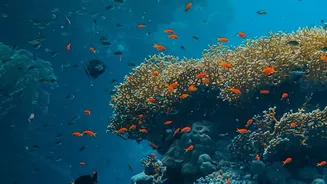
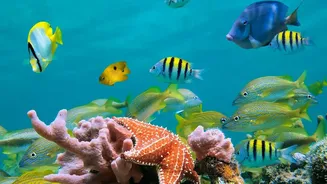
The Lakshadweep archipelago is a chain of 36 islands renowned for its stunning coral atolls, turquoise lagoons, and rich marine biodiversity. These reefs are not just beautiful; they are critical ecosystems that protect the islands from sea erosion and support
the livelihoods of the local community, which is highly dependent on fishing. However, this fragile paradise faces immense threats. Climate change has led to rising sea temperatures, causing catastrophic coral bleaching events that have significantly damaged the reefs over the last two decades. On top of this, the pressures of pollution and poorly managed tourism can cause direct physical damage and further degrade these sensitive habitats.
A New Blueprint for Tourism
In response, the Lakshadweep administration has implemented a set of robust, eco-conscious tourism guidelines designed to protect the islands' fragile environment. A key strategy is managing visitor numbers through a permit system, which, while recently simplified to ease access for independent travellers, remains a mandatory check to prevent over-tourism. The guidelines also include a complete ban on single-use plastics, a significant step in reducing marine pollution. Furthermore, there is a strong focus on developing eco-friendly infrastructure, with resorts and guesthouses encouraged to adopt practices like solar energy use, rainwater harvesting, and effective waste management systems. These rules aim to ensure that tourism's footprint on the islands is as light as possible.
From Tourist to Conservationist
The new approach does more than just limit damage; it actively channels the tourism economy into conservation. The model promotes community-led and sustainable tourism, where visitors contribute directly to preserving the ecosystem they have come to admire. This is achieved through several mechanisms. Strict regulations govern adventure sports like scuba diving and snorkeling, often requiring educational training for tourists on responsible practices to protect the delicate coral. Some initiatives offer visitors the chance to participate in supervised nature tours and even conservation activities. By choosing certified eco-friendly accommodations and tour operators, travelers ensure their spending supports businesses committed to sustainability, creating a virtuous cycle where a thriving tourism industry is directly linked to a healthy environment.
Spotlight on On-Ground Initiatives
The support generated by this eco-conscious framework bolsters critical on-the-ground conservation work. Small-scale coral restoration projects are underway in the archipelago, where fragments of coral are transplanted onto artificial structures to help degraded reefs recover. The administration's focus includes the conservation of marine biodiversity and coastal habitats as a whole, not just the reefs. Government support, including inclusion in India's Swadesh Darshan 2.0 scheme, provides investment for sustainable infrastructure that complies with strict environmental regulations. Collaborative projects involving local communities, the forest department, and scientific bodies are also being developed to identify and protect the most resilient reef areas, blending traditional knowledge with modern science.
The Road Ahead
Despite these promising developments, the path forward is not without challenges. The National Green Tribunal (NGT) continues to monitor tourism projects to ensure they operate within the islands' carrying capacity and adhere to environmental safeguards, highlighting the need for constant vigilance. The overarching threat of climate change and coral bleaching remains a global issue that local policies cannot solve alone. However, by making a conscious choice to integrate its tourism sector with its environmental goals, Lakshadweep is positioning itself as a potential model for sustainable island development. The success of this synergy will depend on strict enforcement, continued community involvement, and the collective responsibility of every visitor.