





Ginger and Turmeric: The Power Duo
Ginger and turmeric are staples in Indian kitchens, and their importance multiplies during the monsoon. Ginger is a powerhouse for tackling common rainy-season issues like colds and flu. Its active compound, gingerol, has potent antioxidant properties
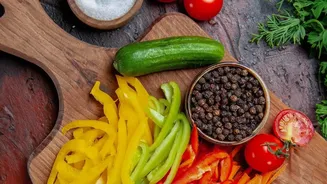
that help stimulate sluggish digestion and soothe upset stomachs. Turmeric, with its active ingredient curcumin, is celebrated for its strong anti-inflammatory and antioxidant effects, which are crucial for strengthening the body against infections that are more common in damp weather. The combination of these two spices, whether in a warm tea, a kadha, or your daily cooking, provides a comforting warmth and a significant boost to your body's defences. For better absorption of turmeric's benefits, it is often recommended to consume it with a pinch of black pepper.
Moong Dal: Light and Easy to Digest
According to Ayurveda, our digestive fire, or Agni, is weaker during the monsoon. This is why heavy foods can feel uncomfortable and lead to bloating. Moong dal (split green gram) is an ideal choice for this season because it is one of the most easily digestible lentils. It provides essential protein and carbohydrates without putting a strain on your gut. A simple, warm bowl of moong dal or the classic khichdi is considered a perfect monsoon meal. It’s nourishing, comforting, and aligns with the principle of eating light, freshly cooked food to support your digestive system during the rains.
Seasonal Gourds: Lauki and Karela
Vegetables that grow during the monsoon are naturally suited for the season's dietary needs. Seasonal gourds like bottle gourd (lauki) and bitter gourd (karela) are particularly beneficial. Lauki is hydrating and very easy to digest, making it an excellent addition to soups and curries. Bitter gourd, despite its taste, is a treasure trove of nutrients that can significantly boost your immune system. It is packed with Vitamin C and antioxidants that help your body fight infections. Karela also aids digestion by promoting the secretion of digestive enzymes and supports liver health, which can be under stress from dietary changes during this season.
Roasted Corn (Bhutta): The Quintessential Snack
The sight of street vendors roasting corn over hot coals is synonymous with the Indian monsoon, and for good reason. Bhutta is more than just a nostalgic snack; it's a healthy one. It is high in fibre, which aids digestion, and is packed with antioxidants. Unlike many popular deep-fried monsoon snacks like samosas and pakoras, which can be heavy on a slow digestive system, roasted corn is a light and nutritious choice. A classic bhutta rubbed with lemon, salt, and a hint of chilli offers a smoky flavour and a satisfying bite without weighing you down.
Probiotic Rich Foods: Fresh Curd and Buttermilk
Gut health is the foundation of a strong immune system, and about 70% of our immunity is linked to our gut. During the monsoon, when the risk of stomach infections is higher, incorporating probiotics into your diet is a smart move. Fresh, homemade curd (yoghurt) and buttermilk are excellent sources of beneficial bacteria that support a healthy gut microbiome. While some Ayurvedic traditions advise limiting curd as it can be heavy, buttermilk is almost universally recommended as it is lighter and aids digestion. Including fresh buttermilk (chaas) in your daily meals can help soothe the digestive tract and strengthen your body's first line of defence against seasonal illnesses.