






The Hunger Games of Travel
We’ve all been there: stuck in a terminal where the only options are overpriced, underwhelming, or unhealthy. Long transit gaps, whether on a plane, train, or bus, often coincide with limited food availability and unpredictable schedules. Relying on airport
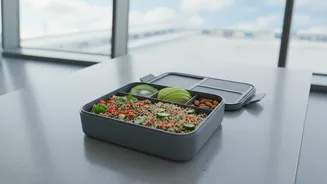
food courts or train station vendors can be a gamble for your wallet and your well-being. The key to avoiding this scenario is shifting your mindset from reactive to proactive. A well-executed food plan is not about packing a five-course meal; it's about having strategic, satisfying options that keep your energy levels stable and your mood lifted, no matter how long the delay.
Build Your Portable Pantry
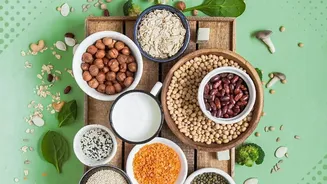
Packing your own food is the most reliable way to ensure you have something good to eat. For air travel, solid foods are generally permitted in carry-on luggage. This includes sandwiches, wraps, baked goods, and most dry snacks like chips and crackers. The main restriction is on liquids and gels, which must adhere to the 3.4-ounce (100ml) rule. This applies to items like yogurt, hummus, and creamy dressings, so opt for single-serving packets or pack them in small, compliant containers. For train journeys in India, homemade meals like parathas, theplas, and idlis are excellent choices as they stay fresh and are easy to eat. Nuts, seeds, and dry fruits are universally great options, providing a dense source of energy that takes up minimal space.
Smart Snacking Strategy
The goal of travel snacking is to maintain steady energy and avoid the crash that comes from sugary treats. A balanced snack should contain a mix of protein, healthy fats, and fibre. This combination helps you feel full longer and keeps blood sugar levels stable. Think trail mix with nuts and seeds, whole-grain crackers with hard cheese, or an apple with a single-serving packet of nut butter. Protein bars can be a convenient choice, but check the label for lower sugar content. Packing a mix of fresh and non-perishable items is a good strategy. Eat fresh items like fruits, vegetables, or a sandwich first, and save the durable, packaged snacks for later in your journey.
The Art of the Station Forage
Even with the best-laid plans, you might find yourself needing to buy food during your transit. When foraging at an airport or train station, try to look beyond the most obvious fast-food chains. Many larger terminals now have vendors offering healthier options like salads, grilled chicken or salmon, and Mediterranean bowls. In Indian railway stations, look for vendors with high turnover, especially for items like poha or idli-vada, which are best when served fresh and hot. If you're buying packaged snacks, look for things like nuts, yogurt, or high-fibre granola bars. A packaged salad or sandwich can also be a solid choice to carry onto your next leg of the journey.
Hydration is Non-Negotiable
Dehydration can cause fatigue, headaches, and cravings for unhealthy food. Air travel is particularly dehydrating due to the low humidity in the cabin. The simplest and most effective strategy is to carry an empty, reusable water bottle. You can fill it up at a water fountain after you pass through security, saving money and reducing plastic waste. While it's tempting to reach for coffee or a sugary drink, water is always your best bet. You can also boost hydration by eating water-rich foods like cucumber, watermelon, oranges, and grapes. For very long travel days, consider packing electrolyte powders or tablets to add to your water, which help replenish minerals lost through sweat.