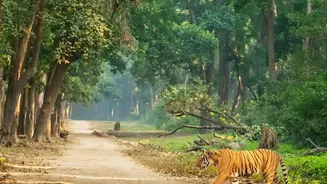



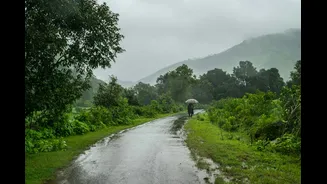
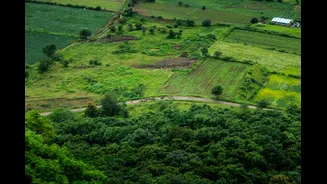
November in India’s tiger reserves is magical. The forests are lush after the monsoon, the air is crisp, and wildlife is active. But securing a jeep safari requires careful planning. Here are the essential rules to navigate the booking process.
Rule 1: Book Far in Advance
The single
most important rule is to book your safari permits well ahead of time. Most popular tiger reserves like Ranthambore, Bandhavgarh, Kanha, and Corbett release permits online between 60 to 120 days in advance. November marks the beginning of the peak tourist season, and permits for coveted zones are often snapped up within minutes of becoming available. Do not assume you can book a safari upon arrival; this is rarely possible for the core zones with the best wildlife viewing potential. Mark the opening date on your calendar and be ready to book the moment the window opens. This is not a spontaneous activity; it is a planned expedition where advance booking is mandatory.
Rule 2: Use Official Government Portals
To avoid inflated prices and potential scams, always use the official state forest department websites for booking. There is no single national website; each state manages its own portal. For example, Madhya Pradesh has a unified site for parks like Kanha and Bandhavgarh, while Rajasthan and Uttarakhand have separate sites for Ranthambore and Corbett, respectively. These government portals are the most affordable and direct way to secure a permit. While many hotels and travel agents offer booking services, they are ultimately using the same limited inventory. Booking directly gives you control and transparency over the process.
Rule 3: Understand the Safari Zones
National parks are divided into multiple safari zones or gates, and you book a permit for a specific one. These zones are not created equal; some have historically higher chances of tiger sightings and better-tracked populations. In Ranthambore, for instance, zones 1-5 are often highly sought after. In Bandhavgarh, the Tala and Magdhi zones are popular choices. Research the different zones for your chosen park before booking. While tiger movement is unpredictable and a sighting is never guaranteed, choosing a premium zone can increase your odds. Your permit is valid only for the assigned zone, and you cannot switch after booking.
Rule 4: Keep Valid ID Proof Ready
The booking process requires the full name, age, gender, and ID number of every single person in your group. For Indian nationals, this can be an Aadhaar card, passport, driver's license, or voter ID. For foreign nationals, only passport details are accepted. It is critical that the details entered online are exactly as they appear on the ID document. Forest officials will check your permit against your original ID at the park gate before every single safari drive. If there is a mismatch, you will be denied entry. Remember, names on a permit are non-transferable and cannot be changed after the booking is confirmed.
Rule 5: Note November-Specific Conditions
November offers a unique experience. As it follows the monsoon, the jungle is incredibly green and beautiful, making it a photographer's dream. However, this dense foliage can sometimes make spotting tigers slightly more challenging compared to the hot summer months when they frequent waterholes. The weather is extremely pleasant, with cool mornings and warm afternoons, making for comfortable safari drives. Many parks fully reopen in October or November after being partially or completely closed during the monsoon (July-September), so you will be experiencing the forest at its freshest.
Rule 6: Decide Between Full Jeep or Single Seat
You generally have two booking options: a 'full vehicle' or a 'single seat'. A full vehicle permit secures the entire jeep (usually a 6-seater) for your private group, offering more flexibility. A single-seat permit means you are booking an individual spot in a shared jeep or a larger canter (a 20-seater open bus). While booking a single seat is more economical, a full jeep provides a more intimate and personalised experience. For photographers or serious wildlife enthusiasts, booking a full jeep is almost always the better choice as you have more space and control over the vehicle's positioning.