





The Mistake: Choosing Cotton and Denim
Packing your favourite cotton t-shirts and a trusty pair of jeans is the most common and regrettable mistake for a monsoon trip. Cotton absorbs a huge amount of water and takes forever to dry in the high humidity of the Ghats. Once wet, these clothes
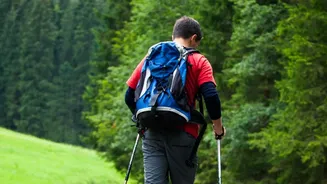
become heavy, clingy, and can even lead to a drop in your body temperature. Denim is even worse, turning into a heavy, restrictive fabric that can cause painful chafing on long walks. Instead, your wardrobe should consist of lightweight, synthetic fabrics like polyester or nylon. These materials are 'quick-dry,' meaning they don't hold much water and will dry out relatively fast even in a damp hotel room. Full-sleeve synthetic t-shirts and quick-dry trekking pants are the gold standard, offering protection from insects and scrapes without becoming a soggy burden.
The Mistake: Wearing the Wrong Footwear
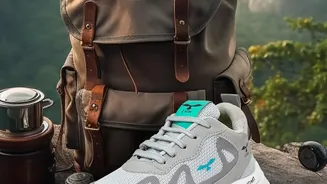
Your everyday running shoes or casual sneakers are not built for the treacherous, slippery trails of the monsoon-drenched Western Ghats. Their grip is inadequate on wet rocks and muddy slopes, putting you at risk of slips and falls. Similarly, open sandals or flip-flops offer no protection and can be dangerous on uneven terrain. Invest in a good pair of trekking shoes with high ankle support and, most importantly, a sole with excellent grip. Look for shoes with deep lugs and soft rubber compounds, sometimes called gum rubber, which perform exceptionally well on the wet laterite rock common in the region. While waterproof shoes sound ideal, many seasoned trekkers prefer quick-draining trail shoes, arguing that water will inevitably get in from the top during heavy rain; the priority is for it to drain out quickly so your feet don't stay submerged.
The Mistake: Underestimating the Rain's Power
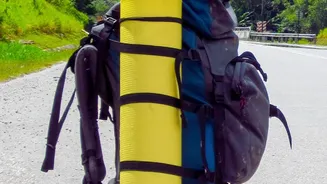
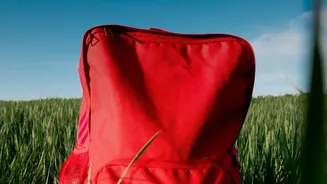
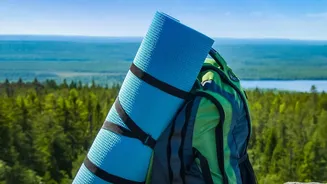
Many travellers assume a simple rain jacket is enough. While essential, it won't protect your backpack, which holds your dry clothes, electronics, and food. Relying solely on a jacket often leads to a backpack full of soaked, useless gear. The solution is a multi-layered defence. First, get a dedicated waterproof rain cover for your backpack. Second, for truly sensitive items, use dry bags or stuff sacks inside your backpack. This 'bag-in-a-bag' method ensures that your electronics and a spare set of dry clothes remain completely protected, even if you take a tumble into a stream. Also, leave the umbrella behind for treks; strong winds can make it more of a liability than a help. A poncho or a quality rain suit is far more effective.
The Mistake: Ignoring the Leech Threat
The lush, damp trails of the Western Ghats are prime territory for leeches, a fact many first-timers unfortunately discover too late. While their bites are generally not dangerous, they are unpleasant and can bleed for a while due to the anticoagulant leeches inject. Prevention is simple. The best defence is a pair of anti-leech socks, which are knee-length and made of thick fabric that leeches cannot easily penetrate. As a basic measure, always tuck your trekking pants securely into your regular socks to create a barrier. Applying a repellent like Dettol, or even a mixture of salt or lemon juice on your shoes and socks, can also deter them. Wearing light-coloured clothing can help you spot any adventurous leeches before they latch on.
The Mistake: Neglecting Your Electronics
High humidity is as much a threat to your gadgets as a direct downpour. Moisture can get inside phones, cameras, and power banks, causing permanent damage. Tossing them into a regular pocket of your backpack is asking for trouble. Always pack your electronics in waterproof pouches or zip-lock bags. It's a simple, cheap, and highly effective way to keep them dry. For extra security, you can toss a few silica gel packets into your electronics bag; these will absorb any ambient moisture and help keep your gear safe. Remember to carry a fully charged power bank, as power cuts can be common in remote areas during the monsoon.
The Mistake: Forgetting a Basic First-Aid Kit
Small cuts, scrapes, and blisters are common on any trek. During the monsoon, the constantly damp environment makes these minor injuries more prone to infection. It's a mistake to travel without a personal medical kit to address these issues promptly. Your kit doesn't need to be extensive, but it should contain the essentials. Include antiseptic liquid or wipes, adhesive bandages of various sizes, gauze, medical tape, and a pain reliever. An antiseptic is particularly important for cleaning leech bites after the leech has been removed. Carrying blister plasters and an insect repellent with DEET is also a very wise decision.