

A New Green in Town
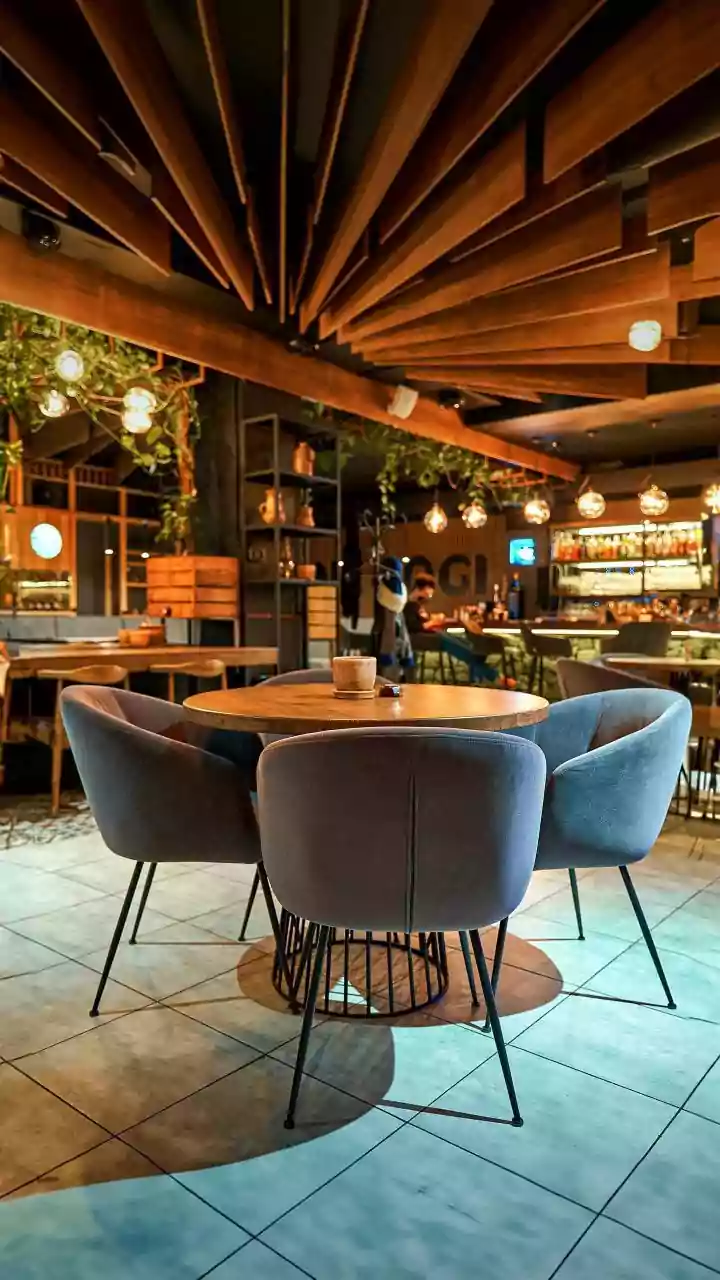
Not long ago, the city’s beverage scene was dominated by third-wave coffee roasters and traditional filter kaapi spots. Today, a different kind of buzz is taking over. From Indiranagar to Koramangala, dedicated matcha bars and cafes are flourishing, serving
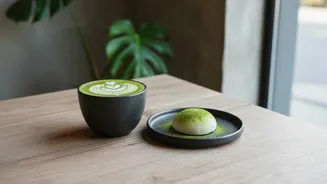
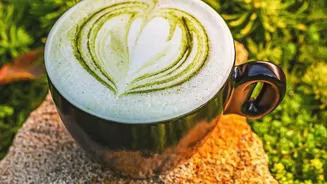
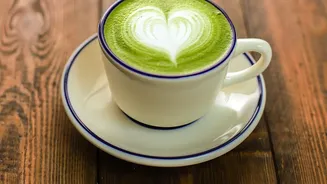
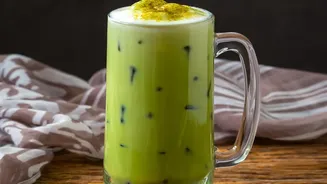
everything from ceremonial-grade brews to inventive concoctions like mango matcha and lavender lattes. Establishments such as Sakura Matcha Bar, which started as pop-ups and now command a cult-like following, signal that this is not just a niche interest. The striking green colour and aesthetic appeal have made matcha an Instagram favourite, but its staying power points to something deeper than just social media appeal.
What's Behind the Craze?
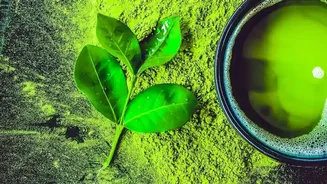
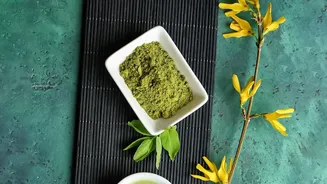
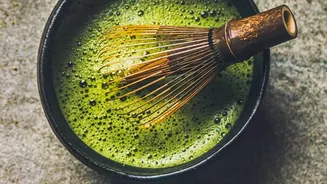
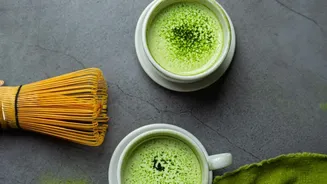
So, what exactly is matcha? It’s a finely ground powder of specially grown and processed green tea leaves, traditionally central to Japanese tea ceremonies. Unlike regular green tea where you steep and discard the leaves, with matcha, you consume the entire leaf. This delivers a concentrated dose of antioxidants, vitamins, and minerals. One of its key components is L-theanine, an amino acid that promotes a state of relaxed alertness, providing a calm, sustained energy boost without the jittery crash often associated with coffee. This unique combination of health benefits and mindful energy aligns perfectly with a growing global, and Indian, focus on wellness and holistic living.
The Bengaluru Connection
It’s no surprise that Bengaluru has become India's matcha capital. The city's identity as a cosmopolitan tech hub, with a young, well-travelled, and high-earning population, makes it a fertile ground for global trends. The consumer base here is hyper-aware, digitally savvy, and open to exploration. This audience is not just consuming a product; they are buying into an experience and a lifestyle. The rise of Korean and pan-Asian cafes across the city has also helped familiarise palates with new flavours, creating a perfect entry point for matcha. As a result, cafe owners now find it almost essential to have matcha on their menus to cater to evolving customer demands.
A Nationwide Thirst for Premium Tea
While Bengaluru may be leading the charge, the passion for matcha is a reflection of a much broader trend across India. The country's specialty tea market has seen explosive growth, reportedly tripling to ₹1,000 crore in the last five years, driven primarily by millennials and Gen Z. Consumers are increasingly moving beyond the standard mass-market chai, showing a growing preference for high-quality, artisanal, and single-origin teas like oolong, white, and orthodox varieties. This shift is fuelled by rising disposable incomes, increased health consciousness post-pandemic, and greater access to diverse products through e-commerce platforms. As one industry expert noted, the COVID-19 pandemic served as an inflection point, accelerating the demand for specialty and wellness-focused teas.
The Future of Tea in India
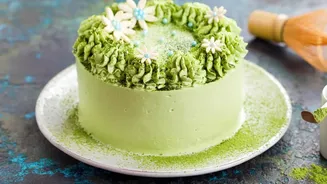
Matcha's journey from a niche Japanese ritual to a mainstream Indian cafe staple illustrates a modernising consumer culture. It doesn't signal the end of traditional chai, but rather the expansion of India’s palate. The market is now large enough for both tradition and trend to coexist and thrive. Brands are even beginning to innovate by fusing matcha with classic Indian flavours, such as in matcha-infused kulfi or a matcha aam panna, creating a unique synthesis of cultures. This vibrant green powder is more than just a beverage; it’s a symbol of a new Indian consumer who is curious, globally connected, and increasingly investing in products that align with a wellness-oriented and aesthetically pleasing lifestyle.