





The High Cost of Going Electric
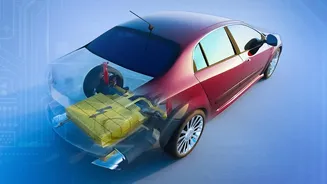
For years, the biggest hurdle for mass electric vehicle adoption in India has been the high upfront cost. A significant portion of this expense, often 30-40%, comes from the lithium-ion battery pack. India imports the majority of its lithium-ion cells
and the raw materials like lithium and cobalt needed to produce them. This dependency not only drives up costs but also exposes the nation's EV ambitions to geopolitical tensions and volatile global supply chains. As the government pushes for 30% of private cars to be electric by 2030, finding a more sustainable and affordable alternative to lithium-ion has become a national priority.
Enter Sodium-Ion: The Abundant Alternative
The solution might just lie in an element that is thousands of times more abundant and readily available than lithium: sodium. Found in common salt, sodium is cheap and plentiful, offering a clear path to reducing battery costs. Sodium-ion batteries work on a principle very similar to their lithium-ion cousins, by moving ions between a cathode and an anode to store and release energy. The key difference is the raw material, which could dramatically lower production costs by an estimated 25-30% and insulate India from the sourcing challenges associated with lithium.
The Performance Trade-Off: Range vs. Cost
While sodium-ion batteries win on cost, there are performance trade-offs. Their main limitation is lower energy density, meaning they store less energy for their weight compared to lithium-ion batteries. This translates to a shorter range for the vehicle. A sodium-ion battery might store 30-40% less energy than a comparable lithium-ion battery. However, they compensate with other benefits. They are generally considered safer, with a lower risk of overheating, and perform better in extreme temperatures. Several research breakthroughs have also demonstrated incredibly fast charging capabilities and long lifespans, with some prototypes lasting thousands of charge cycles.
A 'Made in India' Power Source
The development of sodium-ion technology aligns perfectly with the 'Atmanirbhar Bharat' (self-reliant India) mission. Several Indian companies and research institutions are making significant strides in this area. Pune-based KPIT Technologies has developed its own sodium-ion technology, which it has licensed to Trentar Energy Solutions for commercialisation. Reliance Industries is also fast-tracking its sodium-ion battery plans, aiming to set up a giga factory by 2026. Startups like Indi Energy are innovating by using agricultural waste to create key components, further enhancing the technology's local and sustainable credentials.
The Perfect Fit for Urban Mobility
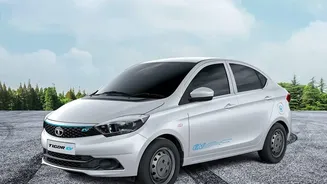
Given the trade-off between range and cost, sodium-ion batteries are not expected to replace lithium-ion in high-performance, long-range EVs immediately. Instead, their ideal application is in the entry-level market. They are perfectly suited for electric two-wheelers, three-wheelers, and compact city cars where daily commutes are short and the absolute longest range is not a primary concern. For a majority of Indian consumers looking for an affordable vehicle for daily errands and office travel, a sodium-ion powered EV could be the ideal solution, offering the benefits of electric mobility without the premium price tag.