



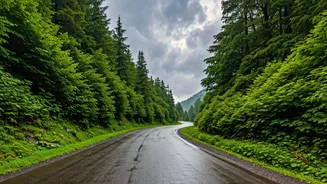


Chandigarh to Shimla: The Classic Gateway
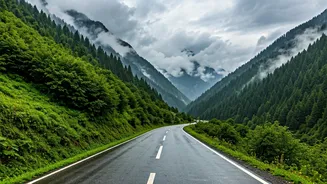
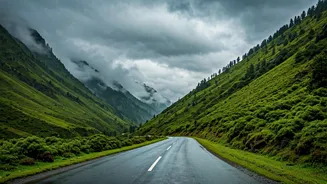
This is one of North India’s most iconic and well-maintained hill routes, making it a relatively safe bet during the monsoon. The drive along NH5 takes you from the plains of Chandigarh into the Shivalik hills, a journey of about 3-4 hours. During the monsoon,
the landscape is a vibrant green, with pine forests looking refreshed and misty. The road is wide and generally in good condition, though it's always wise to start early to avoid traffic. Key stops include the Timber Trail at Parwanoo for a cable car ride over the rain-washed valley and the charming town of Kasauli, a slight detour perfect for a quiet, colonial-era escape. Safety Tip: While the road is excellent, monsoon showers can reduce visibility and make surfaces slippery. Drive at a steady pace and be mindful of weekend traffic congestion.
Kangra Valley Circuit: Tea Gardens and Spirituality
The drive through Kangra Valley, especially from Pathankot to Dharamshala and McLeod Ganj, is magical in the monsoon. This region, known as the tea capital of North India, becomes a canvas of glistening tea gardens against the backdrop of the mighty Dhauladhar range. The route via Nurpur and Gaggal is considered one of the most stable and less prone to landslides. The valley is filled with spiritual and scenic spots, including the ancient Baijnath Temple and the vibrant Tibetan culture of McLeod Ganj. The rains bring fewer crowds, allowing for a more peaceful experience. The clouds often hang low, giving the entire valley a mystical, dream-like quality.
Safety Tip: Although generally safer, some local roads can be affected by heavy rain. Always check local advisories and stick to the main highways where possible.
Srinagar's Valleys: Paradise Regained
Kashmir during the monsoon is a revelation. The rainfall is often gentler here than in other parts of India, arriving in short, refreshing showers that leave the landscape intensely green. Driving from Srinagar to surrounding gems like Gulmarg or Pahalgam is a treat for the senses. The meadows of Gulmarg turn into lush carpets, while the Lidder River in Pahalgam flows with renewed energy. The famous Dal and Nigeen lakes in Srinagar are particularly beautiful, with lotus flowers in bloom and misty, atmospheric shikara rides. The roads connecting these major tourist spots are generally well-maintained, but it's crucial to avoid peak monsoon season for more remote routes.
Safety Tip: The main Jammu-Srinagar highway (NH-44) can be prone to landslides in heavy rains. Check daily traffic advisories before travelling and avoid driving on hill roads at night.
Dehradun to Mussoorie: The Queen of Hills in the Mist
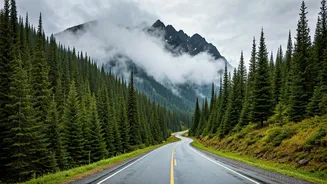
A short but incredibly scenic drive, the route from Dehradun to Mussoorie is a go-to for a quick monsoon getaway. The winding road climbs quickly, offering stunning views of the Doon Valley enveloped in mist. For the most part, the road is in great condition, making it an enjoyable drive. The 'Queen of Hills' herself is a sight to behold in the rain, with clouds drifting through the Mall Road and the scent of pine filling the air. For a quieter experience, you can extend the drive to the nearby hamlet of Landour or the apple orchards of Dhanaulti.
Safety Tip: This popular route is susceptible to landslides and road blockages during heavy downpours, particularly near areas like Galogi. Always check the latest road status with local authorities before you start, especially if there has been continuous heavy rain.
Shimla to Kinnaur: The Adventurous Hindustan-Tibet Road
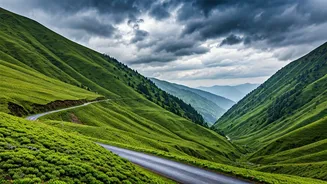
For the more adventurous driver, a journey along a part of the legendary Hindustan-Tibet Road (NH5) is an unforgettable experience. While the full route to Spiti via Kinnaur is risky in monsoon, the stretch from Shimla towards Sarahan or Sangla Valley can be breathtaking. This road is an engineering marvel, carved into the side of cliffs. During the monsoon, you'll drive alongside the roaring Sutlej river, with waterfalls cascading onto the road and the lower Kinnaur valley turning a deep, lush green. Spiti itself is in a rain-shadow area and receives minimal rainfall, but getting there is the challenge.
Safety Tip: This route has a high risk of landslides and shooting stones, especially beyond Rampur. It is absolutely essential to have buffer days in your itinerary and to check road conditions daily with the BRO or Himachal Tourism. This drive should only be undertaken by experienced hill drivers.