






The Problem with Too Many Choices
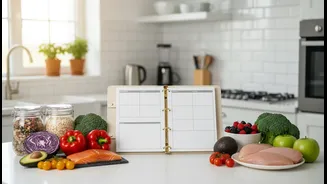
We've all been there: standing in the grocery store, paralysed by choice. Should you buy quinoa or brown rice? Almond butter or peanut butter? This mental overload is known as decision fatigue. Psychologists say that the quality of our decisions deteriorates
as we make more of them throughout the day. People often start the day with healthy intentions, but by evening, mental energy is low, making it easier to opt for convenient, less healthy food. This isn't a lack of willpower; it's a natural consequence of a brain tired from making hundreds of small choices. The 'paradox of choice' suggests that while we think more options are better, an overabundance can actually lead to anxiety and less satisfaction with our final decision. When it comes to food, this often results in either making impulsive purchases or sticking to the same few 'safe' meals, defeating the purpose of variety.
The Solution: A Flexible Meal Template
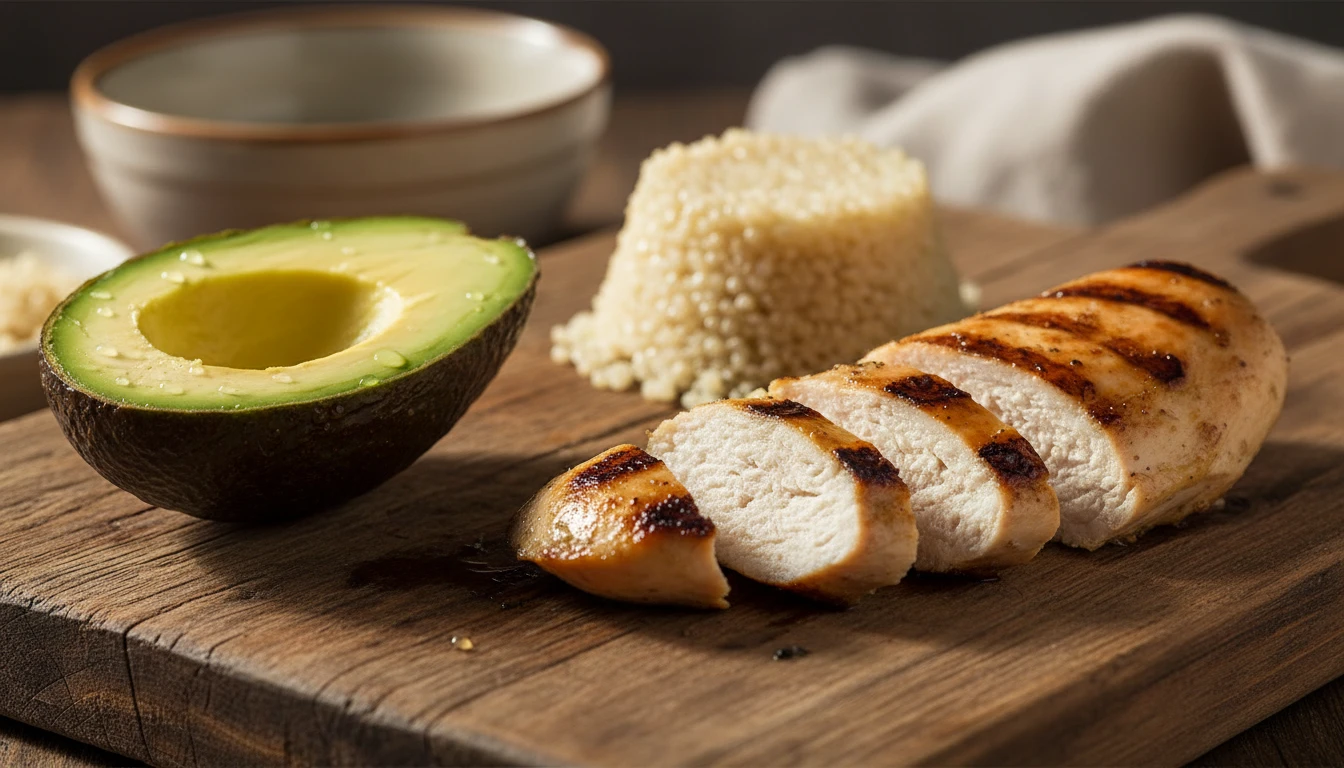
Instead of focusing on specific products, a more resilient strategy is to adopt a meal template. A template isn't a rigid, restrictive diet plan that dictates you must eat salmon and broccoli on Tuesday. Rather, it's a flexible framework that guides you on how to build a balanced meal. Think of it as a simple formula: Protein + Carb + Vegetable + Healthy Fat. This approach teaches you how to structure a meal, giving you the freedom to choose the foods you enjoy within each category. This way, you reduce the number of decisions you need to make at mealtime while still ensuring nutritional balance and variety. The goal is to create a sustainable system you can rely on for the long term, not a short-term diet you'll eventually abandon.
How to Build a Balanced Plate Template
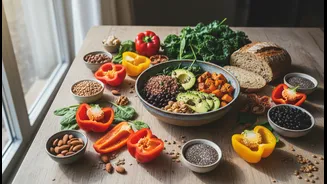
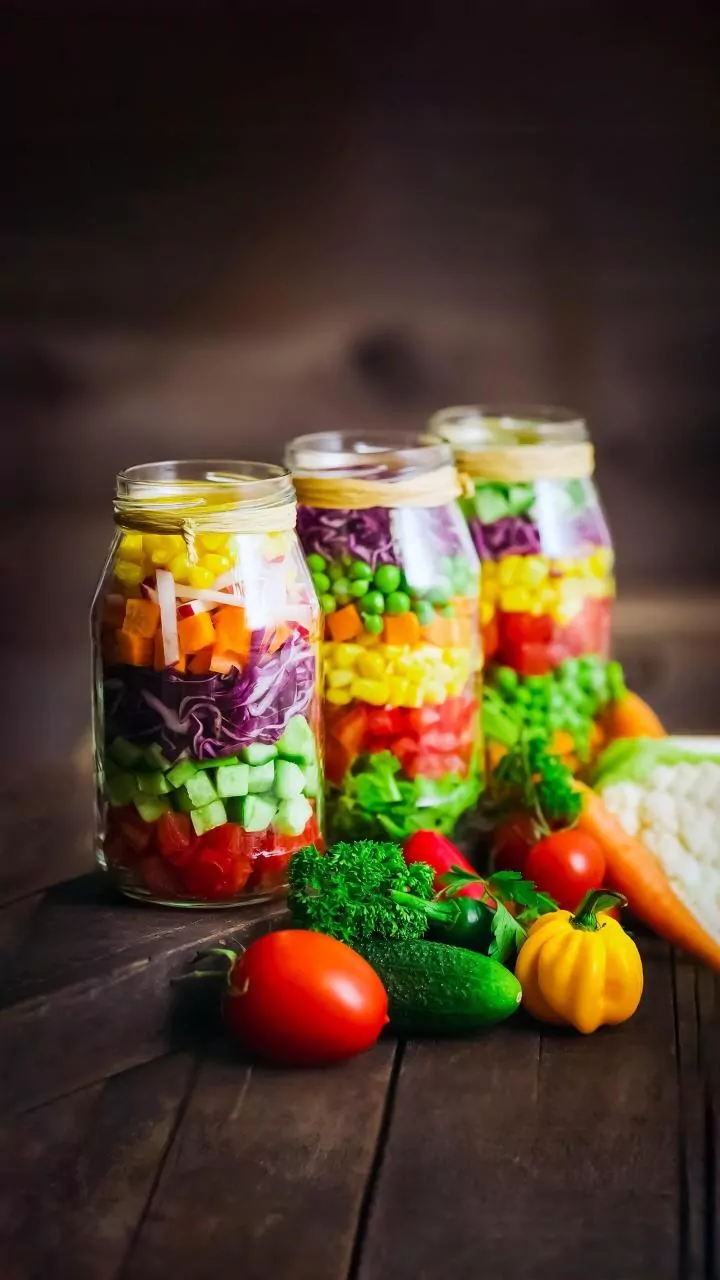
One of the most effective and widely recommended templates is the 'Healthy Plate Method'. It's a simple visual guide for portioning your meals. Imagine your plate divided into sections: Fill half your plate with non-starchy vegetables. This provides volume, fibre, and essential micronutrients for very few calories. Think leafy greens, broccoli, bell peppers, tomatoes, and cauliflower. Fill one-quarter of your plate with a lean protein source. Protein is crucial for satiety, helping you feel full and satisfied. Options include chicken, fish, eggs, paneer, tofu, dals, and beans. Fill the final quarter with a fibre-rich carbohydrate. These provide sustained energy. Choose whole grains like brown rice, quinoa, whole-wheat roti, or starchy vegetables like sweet potatoes. Finally, add a small amount of healthy fats for flavour and satisfaction, such as a drizzle of olive oil, a few nuts, or a slice of avocado.
Putting Your Template into Practice
The beauty of a template lies in its adaptability. It works for any meal and can be easily adjusted to what you have available. For an Indian meal, this template translates naturally. Your sabzi (vegetable dish) can easily fill half the plate, while a portion of dal or paneer serves as your protein quarter, and a roti or a small bowl of rice fits into the carbohydrate quarter. This 'mix-and-match' approach allows for endless variety without mental strain. If you don't have chicken for your salad, you can swap in chickpeas. If you're out of brown rice, you can have a whole-wheat chapati. This flexibility is what builds resilience. A single missing ingredient doesn't derail your entire plan; you simply substitute it with another option from the same food group.
From Template to Habit
Using a template consistently helps build lasting habits. By focusing on whole, nutrient-dense foods for the majority of your meals—often cited as the '80/20 rule'—you create a strong nutritional foundation. This approach doesn't forbid any foods but rather prioritises balance and nutrient quality. Over time, you'll find you can build balanced plates almost automatically, without needing to consciously think about the 'rules'. You start to internalise what a satisfying, nourishing meal feels like. This frees up mental energy, reduces stress around food, and makes healthy eating feel less like a chore and more like a natural part of your life. The goal is to move from actively planning every detail to intuitively making good choices.