

Engage Your Senses: The Look and Smell Test
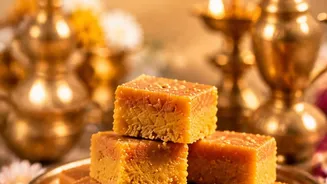
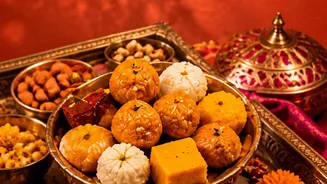
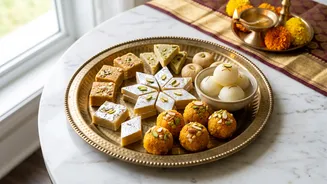
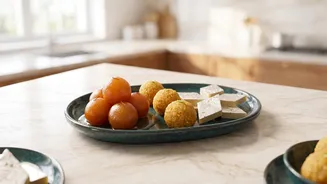
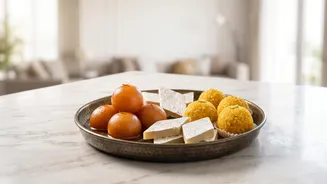
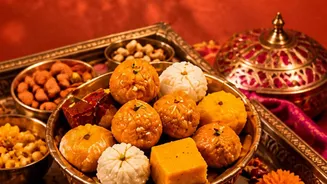
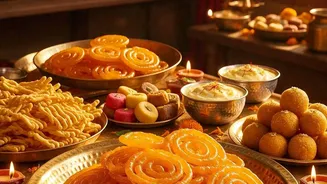
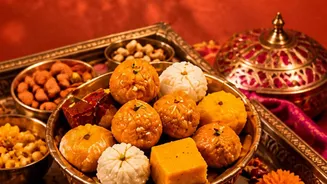
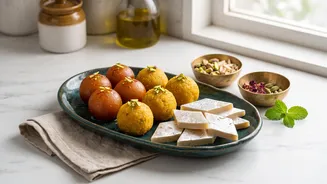
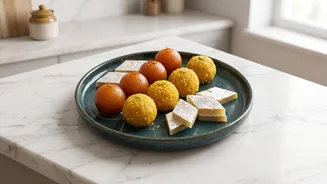
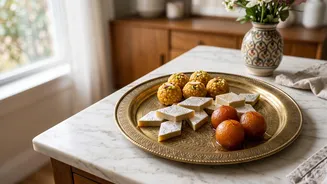
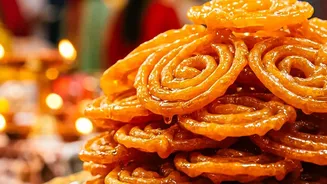
Your first line of defence against poor-quality mithai is your own senses. Before buying, take a moment to observe the sweets. Look for any signs of discoloration, dullness, or the presence of mould, which often appears as greenish or blackish spots.
Fresh mithai should have a vibrant, natural colour. Be wary of sweets that are excessively bright, as they may contain non-permitted, synthetic food dyes like metanil yellow, which can be harmful. A fresh sweet should have a pleasant, appetizing aroma of ghee, milk, or nuts. If you detect a sour, musty, or rancid smell, it’s a clear indicator that the ingredients are old or have gone bad. Trust your instincts; if it doesn't look or smell right, it's best to avoid it.
The Touch and Taste Test
If the shop allows for a sample, texture and taste can reveal a lot. Good quality mithai should have a consistent texture—soft, moist, but not overly sticky. Sweets made from khoya (milk solids) that feel pasty, dry, or unusually hard might be stale or adulterated with starches like flour or blotting paper. Pure khoya should feel slightly grainy and leave a greasy residue on your palm. When you taste it, it should not have a sour or off-flavour. A key sign of artificial sweeteners is an intense, lingering sweetness or a slight chemical or metallic aftertaste. Pure, traditionally made sweets have a balanced flavour that doesn’t overwhelm your palate.
Check the Packaging and Seller's Credentials
Always buy from reputable, well-known sweet shops that maintain high standards of hygiene. FSSAI (Food Safety and Standards Authority of India) regulations require sweet shops to display their license or registration number. Look for this certification, as it indicates the business is subject to food safety audits. For pre-packaged sweets, carefully read the label. Since 2020, FSSAI has made it mandatory for all sweet sellers, even for loose sweets, to display the 'Date of Manufacturing' and 'Best Before Date'. Avoid any box that lacks this crucial information. This simple check is one of the most effective ways to avoid accidentally purchasing stale products.
Beware of Common Adulterants
During the festive rush, some sellers resort to using cheaper, sometimes harmful, adulterants to increase quantity and profits. Mawa or khoya is frequently bulked up with starch, potatoes, or chalk powder. The shiny silver foil, or 'vark', used for decoration can sometimes be replaced with cheaper aluminium foil. A simple test is to gently rub the vark between your fingers; pure silver foil will disintegrate or dissolve into the skin, while aluminium will roll up into a small ball. Milk-based sweets can sometimes be adulterated with detergent to create froth and thickness. While harder to spot in a shop, being aware of these common issues can make you a more discerning buyer.
Simple Purity Tests You Can Do at Home
If you have doubts about the mithai you've brought home, there are simple tests suggested by FSSAI that you can perform. To test for starch in khoya-based sweets, boil a small sample in water, let it cool, and then add a few drops of iodine tincture. If the solution turns blue, it confirms the presence of starch. To check for detergent in a milk-based sweet, dissolve a piece in water and shake the mixture vigorously. The formation of a dense lather indicates adulteration with detergent, whereas pure milk will only form a thin layer of foam.