







The Story So Far: A Tense Year for Prices
Food inflation has been a persistent concern throughout 2026. Retail inflation rose to 4.45% in July, driven largely by the increasing cost of food items. The food inflation rate itself climbed to 5.52% in July, continuing an upward trend seen in previous
months. While the government has taken steps to manage prices, such as releasing onion stocks from its buffer to keep them affordable, the pressure on staples like pulses remains. For instance, the average retail price of tur dal was recorded at ₹123.30 per kg as of late August. A recent government report acknowledged that this sustained rise in food prices could squeeze household spending on other discretionary items.
Monsoon 2026: A Deficit Report Card
The performance of the 2026 southwest monsoon has been shaky. As of late August, cumulative rainfall for the season was running at a significant 13% deficit below the long-period average. The season started weakly with a poor June, and after a brief recovery in July, momentum was lost again in August. This has put the 2026 monsoon on course to be potentially classified as 'deficient' by the India Meteorological Department (IMD) if the shortfall isn't recovered. The distribution of rain has also been highly uneven, with some states like Bihar and Andhra Pradesh facing deficits of over 40%, while others have seen a surplus. This patchiness has already impacted the sowing of summer (kharif) crops, which was lagging 1.5% behind last year's figures as of late August.
Why All Eyes Are on September
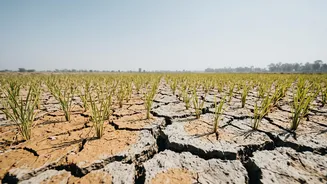
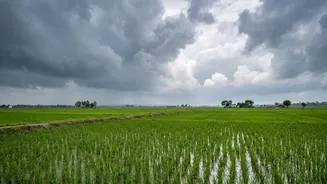
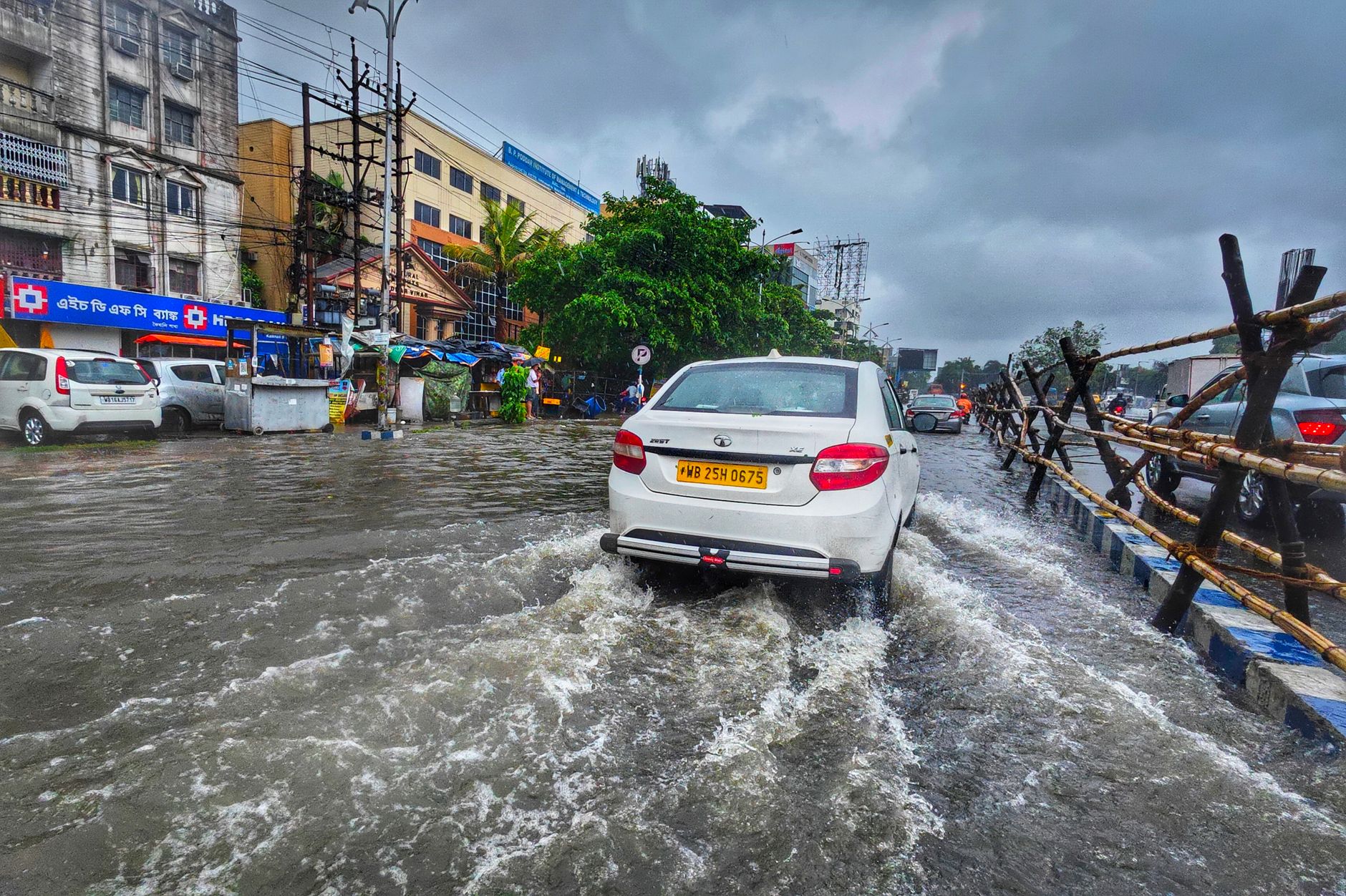
September is the make-or-break month for India's kharif crops, which include rice, pulses, and oilseeds. These crops, sown in June and July, enter a crucial growth stage in the final month of the monsoon. The right amount of rainfall is vital for their development and final yield. Too little rain can wither the standing crops, especially in rain-fed agricultural zones. On the other hand, a sudden, intense burst of heavy rain can be just as damaging, leading to waterlogging that harms pulses and root vegetables, or causing harvested crops to spoil. Economists and agricultural experts agree that September's performance is now the single most critical factor for the agricultural outlook and, by extension, food inflation.
Crops on the Watchlist
Several key items in the average food basket are particularly vulnerable. Pulses are a major concern, as their sowing has already been affected by the patchy monsoon. A poor September could further strain domestic supply, keeping prices for dals like tur and masur firm. Vegetables are also highly sensitive to late-monsoon rains. An erratic September can disrupt supply chains and lead to sharp price spikes, as has been seen with items like tomatoes and onions in the past. Rice, the country's main kharif cereal, also depends on September rain for the grain-filling stage. While reservoir levels provide some cushion, they are reportedly about 18% below last year's levels, increasing the reliance on good, distributed rainfall.
What the Forecasts Suggest
The latest forecasts for early September offer a glimmer of hope. The IMD and other forecasters have noted the formation of low-pressure systems over the Bay of Bengal, which are expected to bring a fresh spell of rain across eastern, central, and parts of northern India in the first week of the month. Widespread rainfall is predicted for states like Odisha, Chhattisgarh, West Bengal, and Jharkhand. However, the initial outlook for the monsoon season from April predicted a 'below-normal' monsoon overall. If the late revival is not strong or widespread enough to cover the existing 13% deficit, the risk to crop yields remains high. Some economic reports have warned that a weak September could push overall consumer price inflation towards 5.5% or higher.