




Start With Your New Baseline
The first step is to get a clear picture of your new financial reality. Before you can adjust your emergency fund, you need to know what your essential monthly expenses are in this new city. Forget your old budget; it's time to build a new one from scratch.
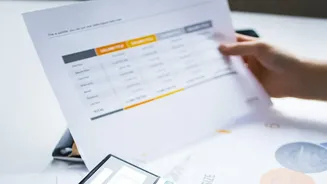
List all your non-negotiable costs: rent or mortgage, utilities (electricity, water, internet), groceries, transportation, insurance payments, and minimum debt payments. These are the costs you'd have to cover even if you lost your income. Be honest and thorough. This number is the foundation for your new savings goal. Don't include discretionary spending like dining out, entertainment, or shopping just yet. The goal is to calculate the bare-bones amount you need to survive for a month.
Calculate Your New Emergency Fund Target
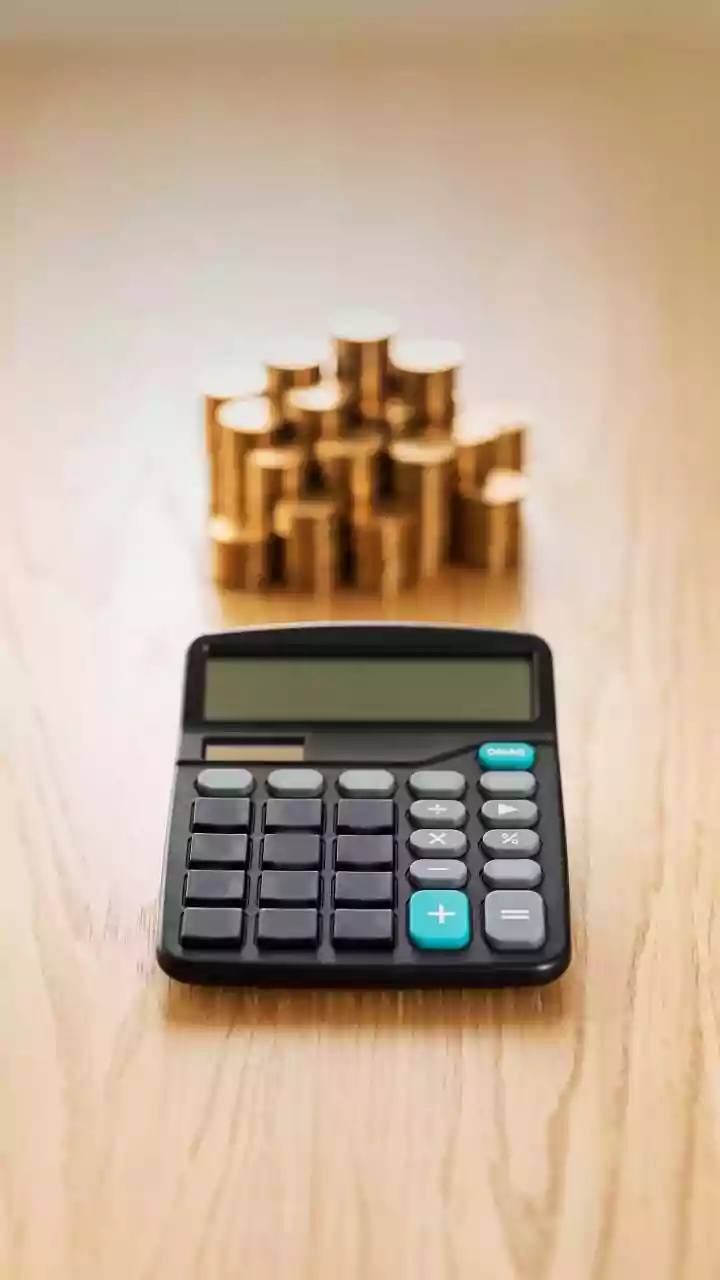
Financial experts generally recommend an emergency fund that covers three to six months of essential living expenses. Where you fall in that range depends on your personal situation. If you have a stable job and no dependents, three months might suffice. If you're a single-income family, self-employed, or your income fluctuates, aiming for six months provides a much stronger safety net. Now, take the new monthly essential expense total you just calculated and multiply it by three and then by six. For example, if your new essential expenses are ₹50,000 per month, your new target range is ₹1,50,000 to ₹3,00,000. This might seem like a huge leap from your previous goal, but it accurately reflects the higher cost of living and ensures you're adequately prepared.
Assess the Gap and Make a Plan
Once you have your new target, compare it to your current emergency savings. Don't be discouraged if there's a significant gap; that's completely normal after a move to a more expensive area. The key is to create a realistic plan to bridge that gap. Treat topping up your emergency fund as a top financial priority. Look at your new budget and identify areas where you can cut back temporarily. Maybe it's fewer meals out for a few months or pausing a subscription service. The goal is to free up cash flow that can be funnelled directly into your savings.
Automate Your Savings
The most effective way to build savings consistently is to make it automatic. Don't rely on willpower or remembering to transfer money at the end of the month. Set up an automatic, recurring transfer from your primary checking account to your dedicated emergency savings account. Schedule this transfer for the day after you receive your salary. Even small, regular contributions add up significantly over time. Automating the process puts your savings on autopilot, ensuring you're consistently working toward your new goal before you have a chance to spend the money elsewhere.
Find Ways to Boost Your Income
If cutting expenses isn't enough to close the gap quickly, consider temporarily boosting your income. This could mean taking on a few freelance projects, working overtime if possible, or finding a short-term side gig. You could also turn clutter into cash by selling items you no longer need after your move. Dedicate all the earnings from these extra efforts directly to your emergency fund. This will accelerate your progress and help you reach your new, larger savings target much faster, giving you the financial security to fully enjoy your new city.
Keep Your Fund in the Right Place
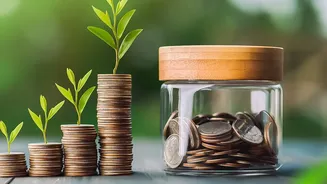
An emergency fund needs to be both safe and accessible. The money should not be tied up in long-term investments. A high-yield savings account is an ideal place for your emergency fund. These accounts are typically offered by online banks and provide higher interest rates than traditional savings accounts, allowing your money to grow slightly while remaining liquid. This ensures that when you need the cash for a true emergency—like a medical bill or sudden car repair—you can access it quickly without penalty.