





The Millennial Sleep Deficit
Millennials, often dubbed 'the tired generation,' are in a unique bind. They came of age during economic uncertainty, are saddled with financial pressures, and live much of their lives through glowing rectangles. This combination of high stress and constant
digital stimulation has taken a toll on their sleep. As a result, this generation prioritizes wellness more than any before it, viewing health as a critical aspect of a fulfilling life. When they travel, they aren't just looking for an escape; they are seeking genuine restoration. They are willing to invest in experiences that promise to improve their well-being, making them the perfect audience for a new wave of science-driven hospitality.
What Is Circadian Lighting?
The concept sounds futuristic, but it's based on a simple biological truth our ancestors lived by: the sun dictates our internal clock. This 24-hour cycle, known as the circadian rhythm, governs everything from our energy levels to our hormone production, especially the sleep-inducing hormone melatonin. Modern life has thrown this rhythm into chaos. The blue-wavelength light emitted by our phones, laptops, and standard LEDs mimics daylight, signaling to our brains that it's time to be alert, even late at night. This can suppress melatonin production and make restful sleep elusive. Circadian lighting, or human-centric lighting, is the corrective. It’s an intelligent lighting system designed to mimic the natural progression of the sun, using different color temperatures and intensities throughout the day to support, rather than disrupt, our internal clocks.
From Lab to Luxury Suite
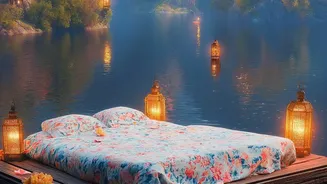
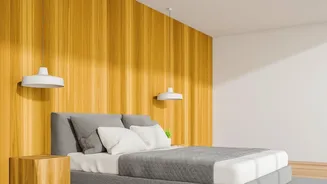
Inside these forward-thinking resorts, the application of circadian lighting is both subtle and profound. Guest rooms are being transformed into 'sleep chambers' where the lighting is an active participant in relaxation. Imagine waking not to a jarring alarm, but to lights that gradually brighten with cool, blue-toned hues that simulate a natural sunrise, helping to reset your body clock and promote alertness. As evening approaches, the system automatically transitions to a soft, warm, amber glow. This near-absence of disruptive blue light encourages the brain's natural production of melatonin, preparing the body for a deep and restorative sleep. Some hotels even offer guests personal control to tailor the lighting to their needs, enhancing the sense of a bespoke wellness experience.
Why Hill Retreats Are the Perfect Setting
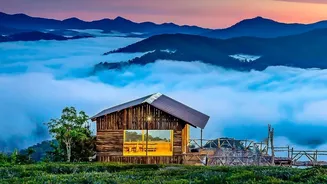
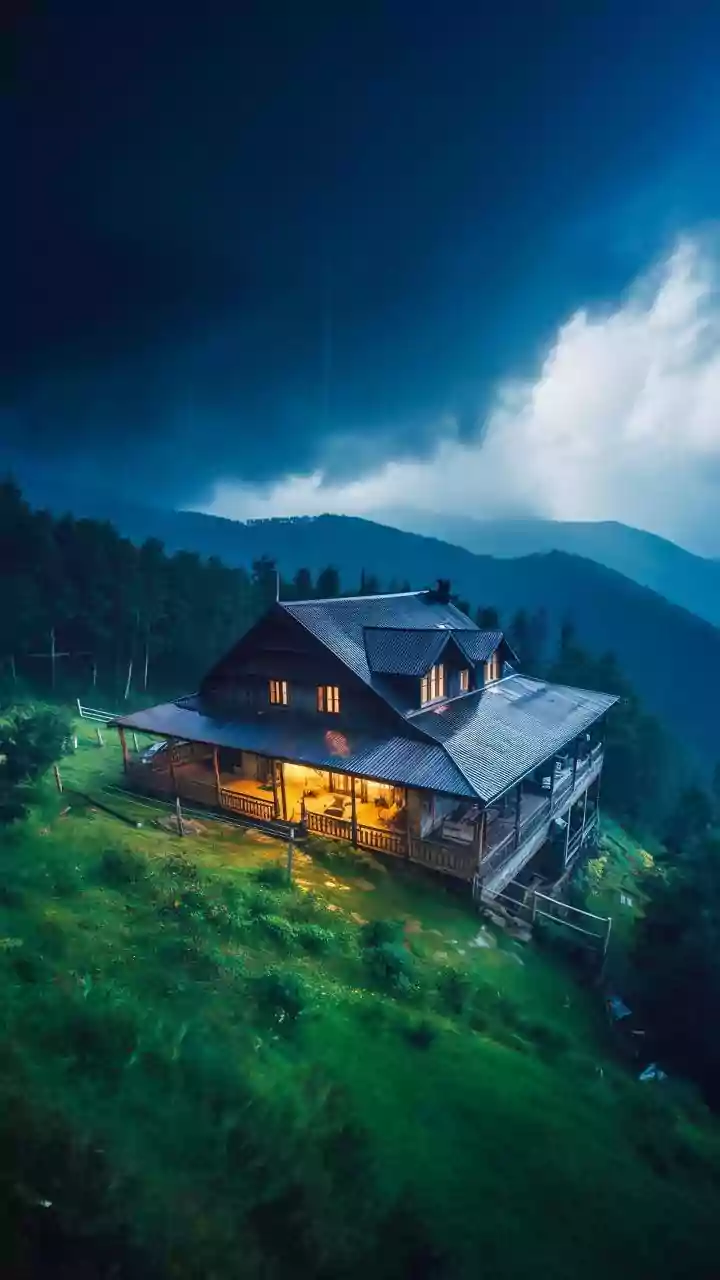
While urban hotels in New York and London have pioneered some of these 'Stay Well' rooms, the concept finds its most natural home in boutique hill resorts. These destinations already offer an escape from the light pollution and frenetic energy of city life. The architecture often emphasizes a connection to nature, with large windows and indoor-outdoor spaces. By aligning the indoor lighting with the dramatic natural light cycles of a mountain environment—the bright, clear mornings and the soft, lingering dusks—these resorts amplify the restorative power of their location. The technology doesn't compete with nature; it complements it, ensuring the wellness benefits of the outdoors are seamlessly continued inside, creating a holistic sanctuary for the mind and body.
More Than Just a Trend?
The evidence supporting the link between light and sleep is robust. Studies confirm that exposure to blue light at night can significantly delay sleep, while warmer lighting helps the body wind down. Hotels that implement these systems report higher guest satisfaction and fewer complaints about sleep disturbances. For the travel-savvy millennial, who seeks out unique, meaningful, and health-enhancing experiences, this isn't a gimmick. It’s a tangible amenity that addresses a core need. By investing in circadian lighting, these resorts aren't just selling a room; they're offering a scientifically validated tool for better health, wrapped in the package of a luxury escape.