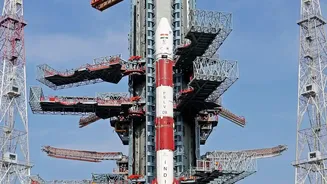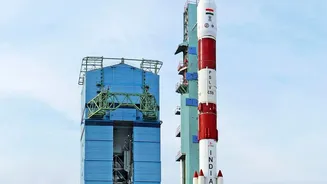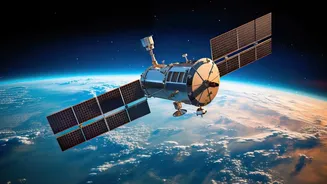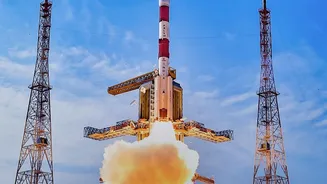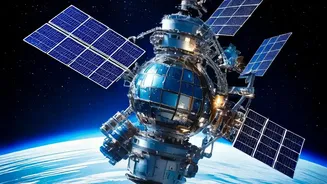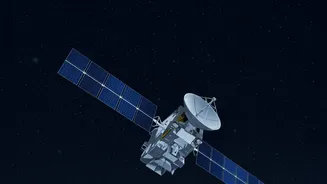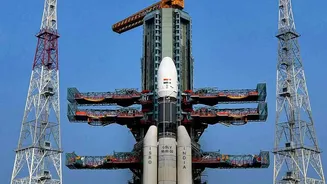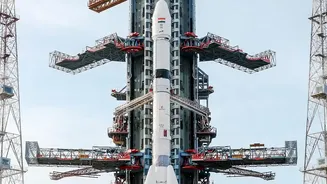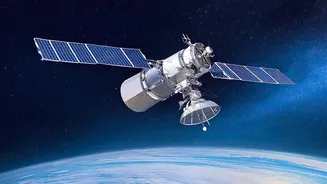




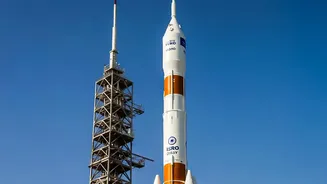
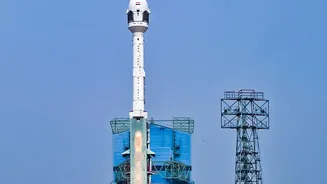
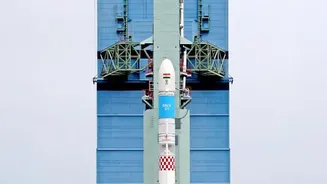
India's quest for technological self-reliance takes another step forward with the NVS series of satellites. These new additions are crucial for enhancing NavIC, the nation's indigenous navigation system, ensuring it remains robust and reliable.
Why India Needs Its Own 'GPS'
For decades,
the world has relied on the American Global Positioning System (GPS). However, for a nation like India, complete dependence on a foreign-controlled system poses strategic risks. Access to navigation services could be denied or degraded during geopolitical tensions, a lesson India learned during the Kargil War. To ensure strategic autonomy, the Indian Space Research Organisation (ISRO) developed its own independent regional navigation system: Navigation with Indian Constellation, or NavIC. Operational since 2018, NavIC provides crucial positioning, navigation, and timing services for both civilian and military users across India and a 1,500-kilometre region around it.
A Constellation in Need of an Upgrade
The original NavIC constellation, built on first-generation IRNSS satellites, began facing challenges. A key issue was the repeated failure of imported rubidium atomic clocks, which are essential for providing precise timing and positioning data. A minimum of four operational satellites are needed for basic positioning services, and with some older satellites becoming non-operational, NavIC's standalone capability was compromised. This highlighted the urgent need to not just replace aging components but to upgrade the entire system with more robust, next-generation technology to ensure service continuity.
Enter the NVS Series
To address these issues and bolster the NavIC system, ISRO planned a series of five second-generation satellites, designated NVS. The first, NVS-01, was launched in May 2023, followed by the successful launch of NVS-03 on October 30, 2026. These new satellites are designed for a longer mission life of at least 12 years and come with significant enhancements. Crucially, they are equipped with indigenous atomic clocks, developed in India, reducing reliance on foreign components and marking a major milestone in self-sufficiency. The launch of NVS-03 was a critical step, restoring the minimum number of satellites required for NavIC to function effectively as a standalone system.
The L1 Band: A Game-Changer for Civilian Use
Perhaps the most significant upgrade in the NVS series is the introduction of a new civilian signal in the L1 frequency band, alongside the existing L5 and S bands. The L1 band is the most widely used frequency for consumer-grade navigation systems globally, including GPS. By adding this signal, ISRO is making it much easier for manufacturers to make their devices, such as smartphones, wearables, and Internet of Things (IoT) gadgets, compatible with NavIC. This move is expected to dramatically increase the adoption of NavIC among the general public and accelerate its integration into the consumer market.
Impact on National Security and Daily Life
A stronger, more reliable NavIC has profound implications. For the military, it ensures access to secure, encrypted, and highly accurate navigation for missile guidance, troop movements, and border surveillance, free from foreign interference. For civilians, the benefits are equally widespread. It can improve vehicle tracking and fleet management, enhance safety for fishermen with emergency alerts, aid in disaster management, and support precision agriculture. As more consumer devices become NavIC-enabled, Indians will have access to a high-accuracy navigation service tailor-made for the Indian region, potentially offering better performance in dense urban areas and remote locations than global systems.