





Why Monsoon Increases Food Safety Risks
The rainy season creates a perfect storm for food contamination. High humidity and ambient moisture accelerate the growth of bacteria, mould, and fungi on food surfaces and in storage. This means food spoils faster. Furthermore, heavy rains can contaminate
public water supplies, increasing the risk of waterborne diseases like typhoid, cholera, and gastroenteritis. Studies suggest that improper food storage and poor kitchen hygiene during the rainy season contribute to a significant rise in foodborne illnesses. Taking extra precautions is not just advisable; it's essential for a healthy household.
Master the Art of Washing Produce
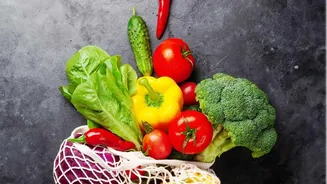
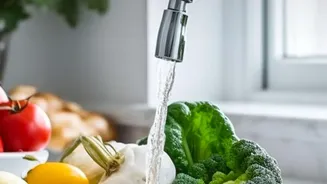
All fruits and vegetables must be washed thoroughly during the monsoon. Begin by rinsing them under clean, running potable water to remove loose dirt and contaminants. For leafy greens like spinach and cabbage, which can harbour hidden pests and microbes, a more rigorous approach is needed. It's recommended to soak them in a bowl of water with a bit of salt or vinegar for about 15 minutes before rinsing again. This helps dislodge stubborn dirt and germs. Always wash produce before you peel or cut it to prevent transferring contaminants from the surface to the inside.
Handle Dry Ingredients with Care
Humidity is the enemy of your pantry staples. Flours, pulses, spices, biscuits, and chips can quickly become mouldy, lumpy, or stale if not stored correctly. The most crucial habit to adopt is transferring these items from their original packaging into clean, dry, airtight containers immediately after purchase. Glass or steel containers are ideal. For spices, you can lightly roast them periodically to keep moisture at bay and preserve their aroma. To protect rice and atta from weevils and mould, which breed faster in humid conditions, consider adding natural moisture absorbers like a few dried bay leaves or neem leaves to the storage container.
Prioritise Safe Drinking Water
Since water sources are easily contaminated during the rains, ensuring your drinking and cooking water is safe is a top priority. Relying on tap water directly can be risky. The safest practice is to either boil your water for at least a few minutes or use a reliable water purifier. Remember to use this purified water not just for drinking, but also for washing vegetables, preparing meals, and even making ice. Avoid ice from unknown sources when you are outside.
Rethink Your Meat and Seafood Handling
Meat and seafood are highly perishable and spoil even faster during the monsoon. Purchase these items only from clean, reputable vendors. Once home, store them in the coldest part of your refrigerator and aim to cook them within a day or two. It is critical to prevent cross-contamination in the kitchen. Use separate chopping boards, knives, and utensils for raw meat and cooked foods. Always cook meat, poultry, and seafood thoroughly to a safe internal temperature to kill any harmful bacteria.
Be Cautious with Raw and Street Food
Health experts often advise against consuming raw foods like salads during the monsoon because of the higher risk of contamination. If you do choose to eat a salad, ensure the ingredients are washed with extreme care in potable water. Steaming vegetables before consumption is a safer alternative. Similarly, while tempting, street food can be a significant source of foodborne diseases during this season. If you indulge, choose vendors who visibly maintain high standards of hygiene, cover their food, and serve it piping hot.
Maintain Impeccable Kitchen Hygiene
A clean kitchen is your first line of defence. Regularly wipe down kitchen counters, stovetops, and sinks with a disinfectant. Pay special attention to chopping boards and knives, washing them with hot, soapy water after each use. Dishcloths and sponges can become breeding grounds for bacteria in the damp weather, so make sure they are washed and dried thoroughly. Finally, frequent handwashing with soap and water, especially before preparing or eating food, is one of the simplest and most effective ways to prevent the spread of germs.