






The Rise of Clean Mobility
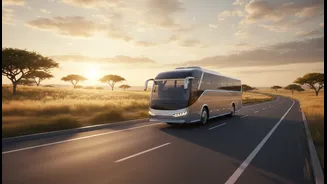
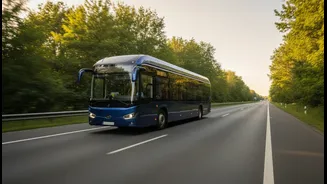
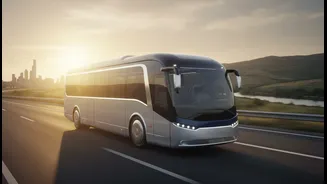
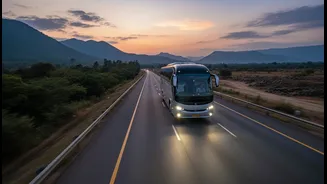
A quiet revolution is happening on the highways connecting cities like Bengaluru, Chennai, Hyderabad, Mumbai, and Pune. Tech-led mobility platforms are rapidly expanding their fleets of premium and electric intercity buses. Companies like zingbus, NueGo,
and Fresh Bus are introducing hundreds of new electric coaches, focusing on high-demand corridors in the southern and western regions. This expansion gives travellers a compelling alternative to traditional diesel buses and trains, promising a cleaner, quieter, and more modern journey. For passengers, this means more than just another bus service; it represents a shift towards sustainable travel without sacrificing comfort. These new services often feature amenities like real-time tracking, sanitized interiors, and assisted boarding. The push is significant, with plans to add hundreds of e-buses in the near future, making green intercity travel a mainstream option.
Journey Time: More Than Just Speed
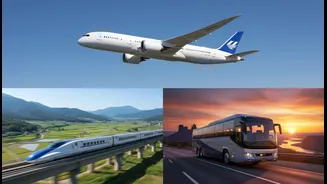
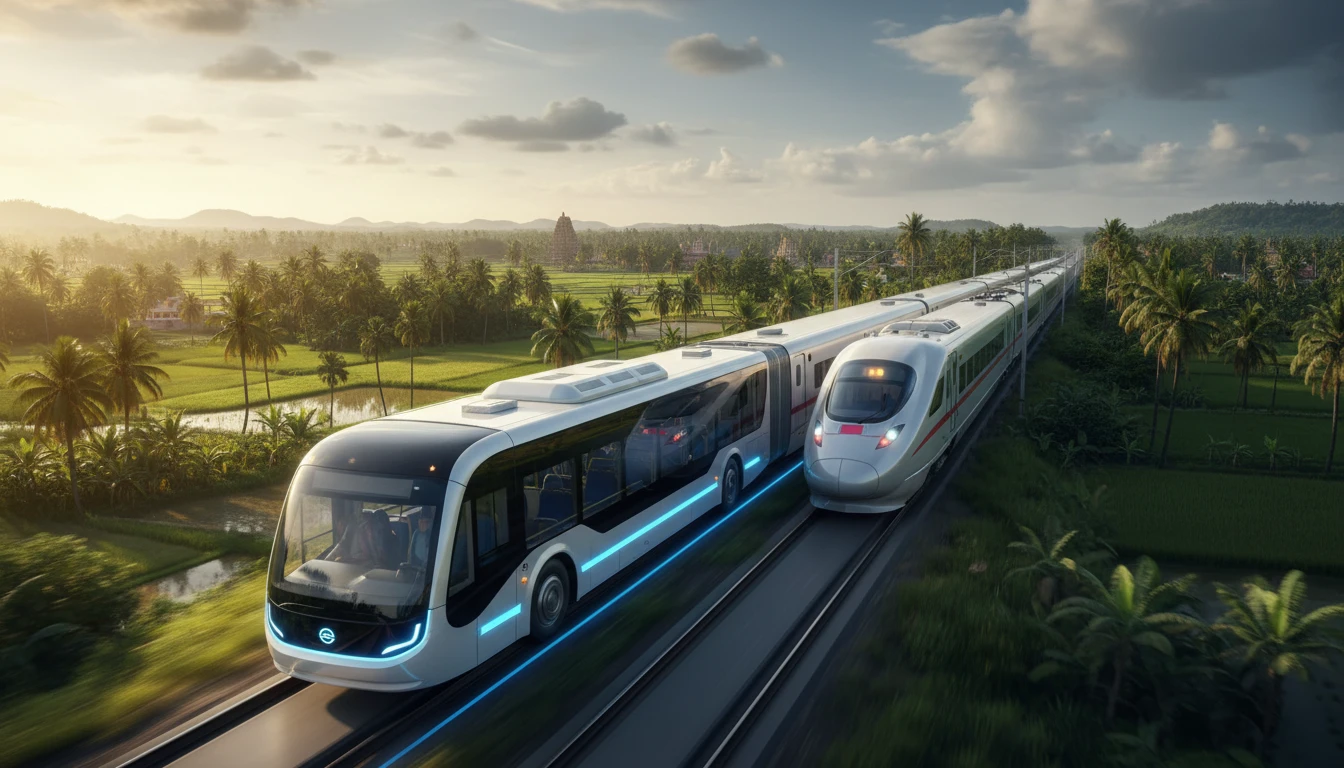
When comparing travel options, total journey time is more critical than the on-paper travel duration. Trains, especially on dedicated trunk routes, can be faster and more predictable as they aren't affected by road traffic. However, buses often offer better last-mile connectivity, taking you closer to your final destination and reducing the need for additional local transport. For a route like Mumbai-Pune, an express train takes about three to four hours, but adding travel time to and from stations can push the total to over five hours. In contrast, a premium bus might complete the highway journey in a similar timeframe but offers more flexible boarding and alighting points. The new electric buses are typically limited-stop or non-stop services between major hubs, which helps them compete with trains on speed, especially on highway-heavy routes.
Stops and On-board Experience
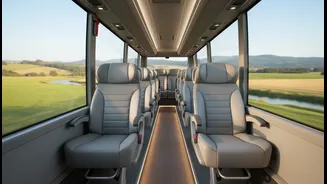
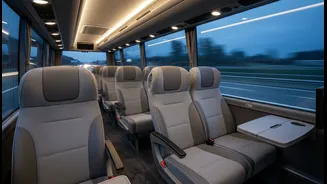
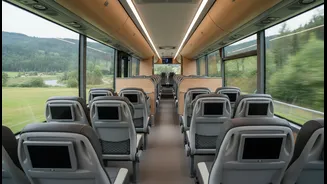
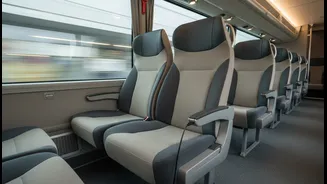
The number of stops significantly impacts both travel time and comfort. Trains have a fixed, predictable schedule of stops. Government-run buses often have numerous stops, catering to passengers along the entire route, while premium private operators, including the new electric bus companies, focus on a limited-stop model. This ensures a quicker journey and a more restful experience, especially overnight. The on-board experience is another key differentiator. Electric buses provide a noticeably quieter and smoother ride with no engine vibrations or tailpipe emissions. Many new operators are positioning their services as a premium experience, with amenities like privacy curtains for sleeper berths, individual charging points, and enhanced safety features like driver monitoring systems. While trains offer the freedom to walk around, the enclosed, controlled environment of a premium bus offers a different kind of comfort.
Cancellation Policies: The Flexibility Factor
Your ability to change or cancel a ticket is a crucial consideration. Indian Railways recently revised its cancellation rules, making them stricter. For many trains, cancelling a confirmed ticket less than eight hours before departure now results in zero refund. For cancellations made between 24 and 72 hours, the deduction is 25% of the fare. This move aims to curb black marketing but reduces flexibility for passengers with uncertain plans. Private bus operators, particularly app-based services like NueGo and Fresh Bus, often provide more user-friendly cancellation policies. For example, some allow cancellations with a 50% refund for requests made between 8 and 12 hours before departure, with no refund if cancelled within 8 hours. The specific terms vary by operator and ticket type, but the process is generally faster, with refunds processed directly to the source of payment. For group bookings with services like Fresh Bus, cancellations made more than 96 hours in advance can get a 75% refund.