







Mumbai’s Lifeline Under Strain
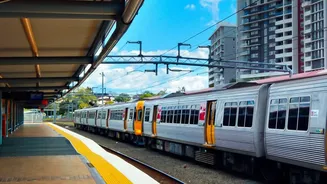
Anyone who has travelled on Mumbai's suburban rail network during peak hours knows the reality of 'super-dense crush load'. The system, which moves millions of people daily, is the backbone of the city's economy. However, for decades, it has been operating
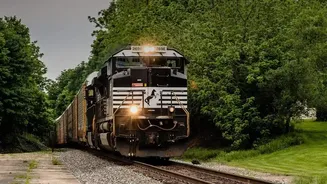
far beyond its intended capacity. The core of the problem is shared track usage. Passenger trains, both local and long-distance, have to share the same railway lines with slow-moving goods trains. This mix creates a logistical bottleneck, slowing down all trains, causing frequent delays, and severely limiting the number of new passenger services that can be introduced.
Enter the Dedicated Freight Corridors
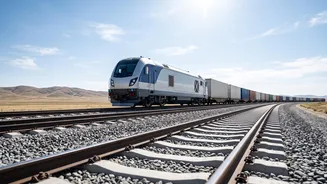
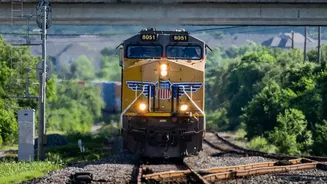
For nearly two decades, Indian Railways has been working on a monumental solution: the Dedicated Freight Corridors (DFCs). These are brand new, high-speed railway lines built exclusively for transporting goods. On September 8, 2026, the final sections of the 1,506-km Western Dedicated Freight Corridor (WDFC) were inaugurated, making the entire route from Dadri in Uttar Pradesh to Jawaharlal Nehru Port in Navi Mumbai fully operational. This project, along with its eastern counterpart, is designed to be a game-changer for India's logistics, allowing for heavier, longer, and faster freight trains, including double-stack containers.
Untangling the Tracks for Good
The fundamental principle of the DFC is segregation. By creating a separate, parallel highway for goods trains, the project aims to completely remove freight traffic from the existing, congested passenger lines. This is the crucial link for Mumbai's commuters. With goods trains running on their own dedicated tracks, the existing lines that crisscross the Mumbai Metropolitan Region will be freed up. This untangling of traffic is expected to have a cascading effect, improving punctuality and speed not just for local services but for all trains running on the network.
More Trains, More Space, Fewer Delays
The most significant benefit for the everyday Mumbaikar will be a substantial increase in capacity on the suburban network. With freight trains out of the way, Indian Railways will have the track availability to introduce hundreds of new local train services. According to the Railway Minister, the number of daily suburban services in Mumbai currently stands at around 3,200, and the goal is to increase this to approximately 3,500 by 2030. This translates to more trains, reduced waiting times, and, hopefully, less crowding in each coach. The decongestion of the network will also lead to improved reliability and fewer delays caused by goods train movements holding up passenger services.
A Modern Fleet on the Horizon
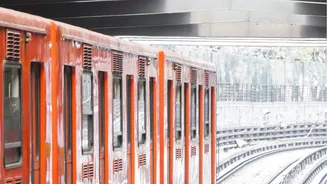
The capacity increase is being complemented by a major fleet upgrade. The government has sanctioned 238 new air-conditioned local trains for Mumbai, which are set to be manufactured at railway production units across the country. These new-generation trains promise not only a more comfortable, climate-controlled journey but also feature modern amenities and safety enhancements like automatic doors. While the first of these new rakes is expected to be introduced in 2027, the plan is to have all 238 trains in service by 2030, gradually transforming the daily travel experience.
The Timeline for Tangible Change
While the WDFC is now officially complete, commuters should not expect an overnight transformation. Shifting all freight traffic to the new corridor is a complex process. Furthermore, integrating hundreds of new local services into one of the world's busiest and most complex timetables requires careful planning and execution. Railway officials have indicated that work is underway to augment capacity through new platforms, signalling upgrades, and line extensions at key stations like Dadar and Jogeshwari. Commuters will begin to feel the positive effects gradually as freight is rerouted and new services are phased in over the coming months and years, as part of the broader plan to significantly upgrade the network by 2030.