




The Monsoon Menace: Death by Drowning
For container plants, the relentless downpour of the monsoon season is a double-edged sword. While water is essential, too much of it can be fatal. Unlike plants in the ground, balcony pots have limited drainage. When soil becomes saturated day after
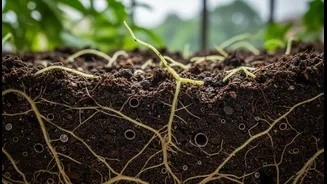
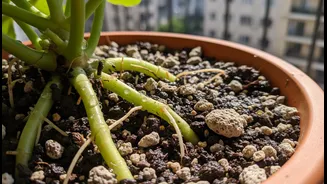
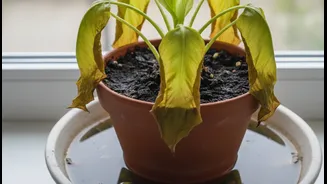
day, it becomes waterlogged. This means all the tiny air pockets in the soil, which roots need to breathe, are filled with water. Deprived of oxygen, roots begin to suffocate and decay, a condition known as root rot. This silent killer often goes unnoticed until the plant's leaves start yellowing and wilting, by which point it might be too late. Furthermore, soggy soil creates the perfect breeding ground for fungal and bacterial diseases that can quickly decimate your beloved plants.
Perlite: The Aeration Powerhouse
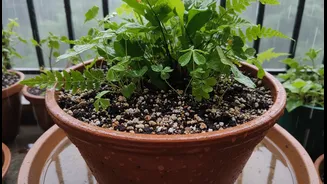
Enter perlite, your soil's best friend during the rainy season. These small, white, lightweight granules look like styrofoam but are actually volcanic glass that has been heated until it pops. The primary job of perlite is not to hold water but to create structure and air space within the soil. When mixed into your potting soil, it acts like tiny, rigid tunnels, preventing the soil from compacting under the weight of heavy rain. These channels allow excess water to drain away quickly while keeping essential air pockets open for the roots to breathe. Its lightweight nature is another significant bonus for balcony gardens, as it improves drainage without adding significant weight to your pots. For most balcony plants, adding about 20-30% perlite to your potting mix can dramatically improve its resilience to monsoon rains.
Coarse Sand: The Drainage Workhorse
While perlite creates air pockets, coarse sand provides the heavy-duty drainage channels. It's crucial to specify coarse sand, like river sand or horticultural sand, not fine beach sand. Fine sand can actually worsen the problem by filling in the small gaps in the soil, creating a concrete-like consistency. Coarse sand, with its larger particles, creates macro-pores that allow water to exit the pot efficiently. Think of it as creating miniature expressways for water to escape, preventing traffic jams and pooling around the roots. For plants that are particularly sensitive to wet conditions, like succulents or Mediterranean herbs, a higher proportion of coarse sand is beneficial. A common mistake is to add a layer of gravel at the bottom of the pot, but this is less effective and can create a perched water table, keeping the root zone wetter. It's far better to incorporate sand throughout the entire soil mix.
Crafting the Perfect Monsoon Potting Mix
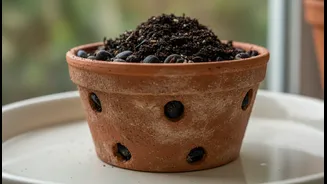
Creating a monsoon-proof soil mix is simpler than it sounds. A reliable, all-purpose recipe for Indian balcony gardens is a balanced blend of structure, nutrients, and drainage. Start with a base of 40% garden soil or cocopeat. Cocopeat is often preferred for containers as it's lightweight and retains moisture without becoming waterlogged. Next, add 30% compost or vermicompost. This is the nutritional engine of your mix, providing a slow-release source of essential nutrients that can get washed away by heavy rains. The final, crucial 30% is your drainage component: a combination of perlite and coarse sand. A mix of 20% perlite and 10% coarse sand works well for most flowering plants and vegetables. For succulents, you can increase this to 40% or more. Before filling your pots, ensure they have adequate drainage holes. No soil mix can save a plant if the water has no way to escape.
What If My Plants Are Already Potted?
If your balcony is already full of plants in dense soil, you don't have to repot everything. For smaller pots, gently easing the plant out, mixing the existing soil with perlite and sand, and repotting is the best long-term solution. For larger, established plants where repotting is difficult, you can still improve the situation. Use a chopstick or a thin rod to carefully poke deep holes into the soil around the edge of the pot, being careful to avoid the main root ball. This process, called aeration, creates channels for air and helps the soil dry faster. You can then backfill these holes with a dry mix of coarse sand and perlite. Additionally, elevating your pots on bricks or pot feet helps ensure the drainage holes are not blocked and allows for better airflow underneath, which is a simple but highly effective trick.