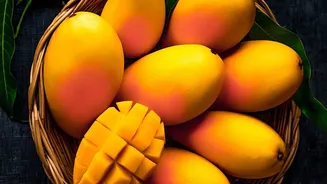




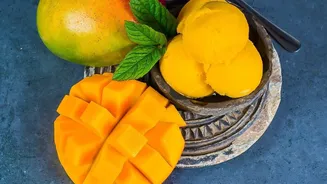
Mango and papaya are superstars of the tropical fruit world, beloved for their sweet, vibrant flesh. While both are packed with nutrients, their vitamin profiles have key differences. Let's break down this fruity face-off to see which one wins.
The Vitamin C Champion
When it
comes to boosting your immune system, both fruits are excellent choices, but one has a clear edge. Papaya is a vitamin C powerhouse. A 100-gram serving of papaya delivers around 61 mg of vitamin C, which is more than many citrus fruits. In contrast, the same amount of mango provides about 36 mg of vitamin C. While still a significant amount, papaya offers nearly double the dose. This makes papaya an exceptional choice for strengthening your body's defences, supporting skin health through collagen production, and fighting off cellular damage from free radicals.
The Quest for Vitamin A
If eye health and radiant skin are your goals, mango takes the lead. Mango is richer in beta-carotene, the compound our bodies convert into vitamin A. A 100-gram serving of mango contains significantly more beta-carotene than papaya. Vitamin A is crucial for maintaining good vision, particularly in low light, and plays a vital role in keeping your skin and immune system healthy. While papaya also provides a good dose of vitamin A, mango's superior content makes it the winner in this category.
Folate and B Vitamins
Folate, or vitamin B9, is essential for cell growth and is particularly important during pregnancy. Here again, mango comes out on top. It is an excellent source of folate, with a 100-gram serving containing around 43 micrograms (mcg), significantly more than many other fruits. Papaya is also a good source, providing about 37 mcg per 100 grams. Mango also generally contains more Vitamin B6, which is important for brain function.
Vitamins E and K
When looking at the fat_soluble vitamins E and K, mango has another slight advantage. Vitamin E is a powerful antioxidant that protects cells from damage, while Vitamin K is essential for blood clotting and bone health. A 100_gram serving of mango contains about 0.9 mg of Vitamin E and 4.2 mcg of Vitamin K. Papaya offers less, with around 0.3 mg of Vitamin E and 2.6 mcg of Vitamin K. Though the amounts in both fruits are modest, mango provides a more substantial contribution to your daily needs for these particular nutrients.
The Digestive Difference: Beyond Vitamins
While the headline focuses on vitamins, it's impossible to compare these two fruits without mentioning digestion. Papaya contains a unique enzyme called papain, which is renowned for its ability to break down proteins. This makes papaya particularly effective at aiding digestion, reducing bloating, and easing constipation. Mangoes are also good for digestive health, primarily due to their high fiber content, which helps promote regular bowel movements. However, the presence of papain gives papaya a special digestive edge that has made it a popular remedy for stomach troubles for centuries.