




The Great Monsoon Withdrawal
The single biggest driver of India's October climate is the retreat of the southwest monsoon. This process doesn't happen overnight. It begins in early September in the northwestern state of Rajasthan and gradually moves southeast across the country over several
weeks. By the beginning of October, the monsoon has typically withdrawn from the northern plains, paving the way for a major seasonal shift. This withdrawal is a complex process, declared by meteorologists based on factors like five continuous days of no rain and a change in wind patterns. This staggered retreat means that while Delhi may be enjoying dry, post-monsoon weather, Kerala could still be experiencing monsoon showers on the same day.
Autumnal Bliss in the North
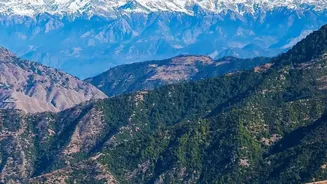
For North India, including the Himalayas, the Golden Triangle, and the Gangetic plains, October ushers in what many consider the best weather of the year. With the monsoon clouds gone, the skies clear up, revealing bright sunshine. The oppressive humidity of the preceding months gives way to a pleasant dryness. Daytime temperatures become comfortably warm, often hovering around 30-34°C, while nights turn cool and crisp. This period marks the true arrival of autumn, making it an ideal time for travel and outdoor activities. In the Himalayan states, the post-monsoon air offers clear views of snow-capped peaks, although higher reaches might already see some snowfall.
A Second Monsoon for the South
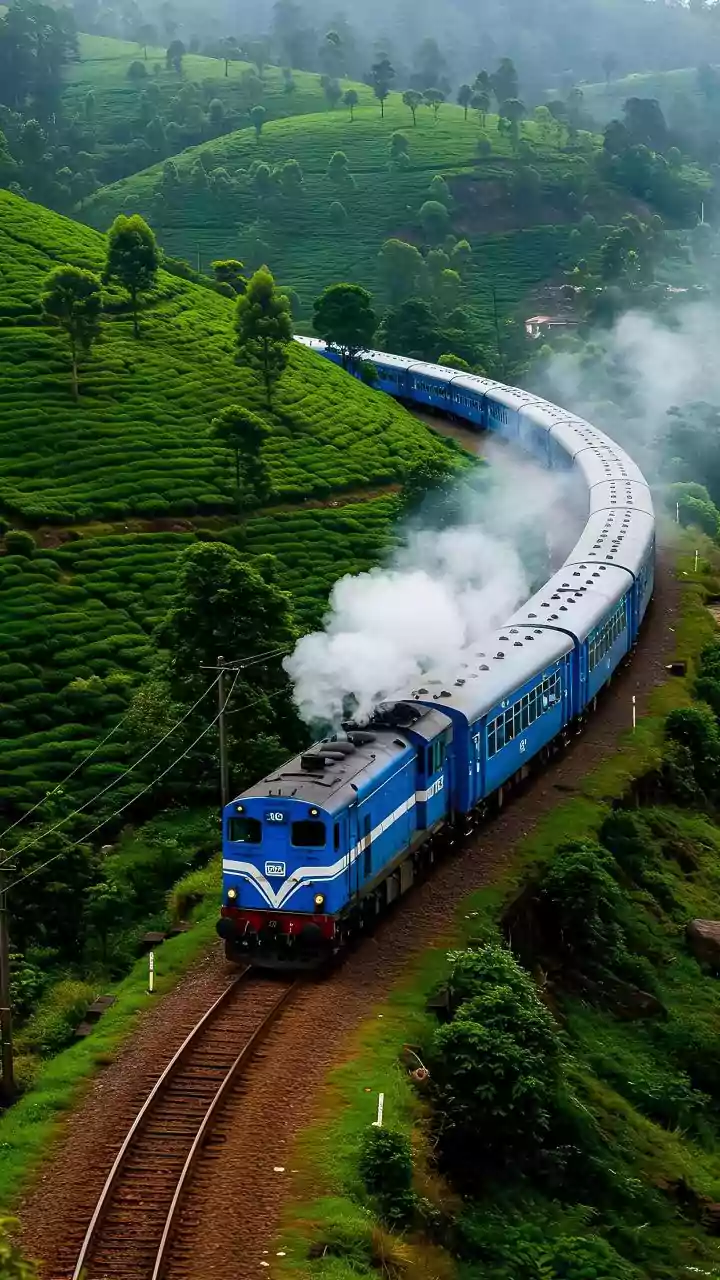
The story is completely different in the southeastern peninsula. As the southwest monsoon retreats, a new system, the northeast monsoon, begins to take shape. These winds, which are initially dry as they blow over the landmass, pick up moisture as they cross the Bay of Bengal. They then bring significant rainfall to states like Tamil Nadu, coastal Andhra Pradesh, and parts of Kerala and Karnataka. For Tamil Nadu in particular, this is the primary rainy season, as the Western Ghats block much of the southwest monsoon. This 'retreating monsoon' typically sets in around the middle of October, bringing cooler, wetter days to the region, a stark contrast to the drying trend elsewhere.
The Puzzle of 'October Heat'
Despite the general cooling trend, many parts of India, especially in the west and centre, experience a peculiar phenomenon known as 'October Heat'. After the monsoon withdraws, the clear skies and intense sunlight heat the land. However, there is still a lot of moisture left in the ground and atmosphere from the rainy season. This combination of high temperature and high humidity creates an oppressive, sultry climate that can feel even hotter than the dry summer heat. Regions like Maharashtra and Gujarat are particularly known for this uncomfortable transitional phase before the drier, cooler winter air properly sets in.
Mild Days in the East and Northeast
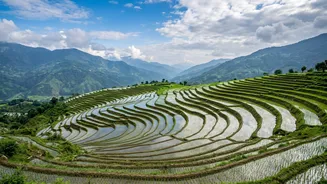
In eastern and northeastern states, October brings a welcome respite. The heavy monsoon rains have subsided, leaving behind lush green landscapes and full rivers. The weather becomes pleasantly warm and generally dry, similar to the northern plains but often with a bit more humidity lingering in the air. This period coincides with major festivals like Durga Puja, and the agreeable climate makes it a season of celebration. While isolated showers can still occur, especially early in the month, October largely signals the start of a stable, enjoyable weather pattern for the region.