




The Gaganyaan Mission Explained
At its core, the Gaganyaan project is India’s inaugural human spaceflight program, spearheaded by the Indian Space Research Organisation (ISRO). The primary objective is to launch a crew of three members into an orbit of 400 kilometres for a three-day
mission and bring them back safely to Earth by landing in Indian sea waters. Originally announced in 2018 with a target of 2022, the timeline has been adjusted due to the complexities of developing new technologies and pandemic-related delays. The focus remains firmly on safety and reliability, ensuring every system is rigorously tested before astronauts, or 'Vyomanauts', make the journey. Success will make India only the fourth country in the world—after Russia, the United States, and China—to have an independent human spaceflight capability.
A Series of Crucial Test Flights
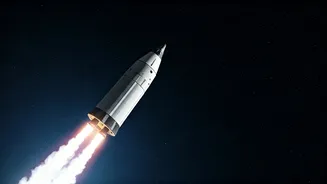
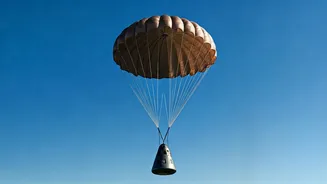
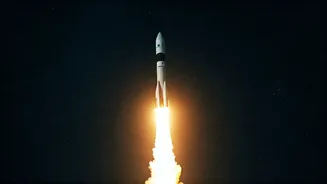
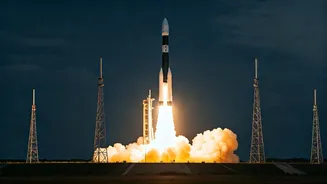
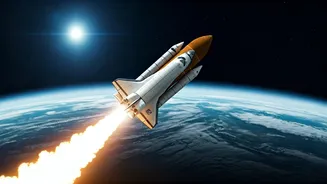
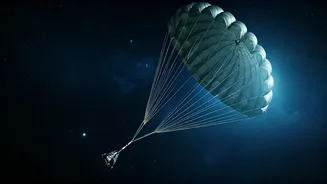
Before humans can launch, a series of uncrewed test flights are essential to validate every piece of the complex machinery. ISRO has a meticulous plan in place, with multiple precursor missions to test critical technologies like the crew escape system and parachute deceleration. The first major uncrewed orbital test, known as G1, is a key milestone planned for 2026. This mission will see the human-rated LVM3 rocket launch the Gaganyaan orbital module into space to test end-to-end capabilities, from launch and orbital manoeuvres to re-entry and recovery. Following G1, at least one more uncrewed flight is planned to ensure the systems are flawless before the crewed mission, now targeted for 2027.
Meet the Vyomanauts and Vyommitra
The nation's hopes will be carried by four decorated Indian Air Force test pilots: Group Captains Prasanth Balakrishnan Nair, Ajit Krishnan, Angad Pratap, and Wing Commander Shubhanshu Shukla. These candidates have undergone intensive training both in Russia at Gagarin Cosmonaut Training Centre and at ISRO's own Astronaut Training Facility in Bengaluru. Before they fly, however, a crucial passenger will board the G1 mission: Vyommitra. A sophisticated humanoid robot developed by ISRO, Vyommitra—whose name means "space friend" in Sanskrit—will simulate human functions during the uncrewed flight. It will monitor the crew module environment, test life support systems, and operate switch panels, providing invaluable data to ensure the cabin is perfectly safe for its future human occupants.
The Technology Powering the Dream
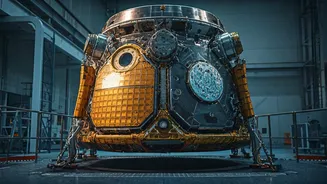
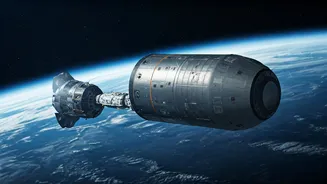
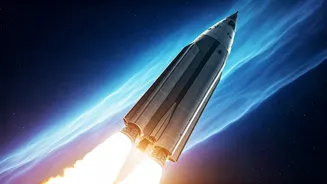
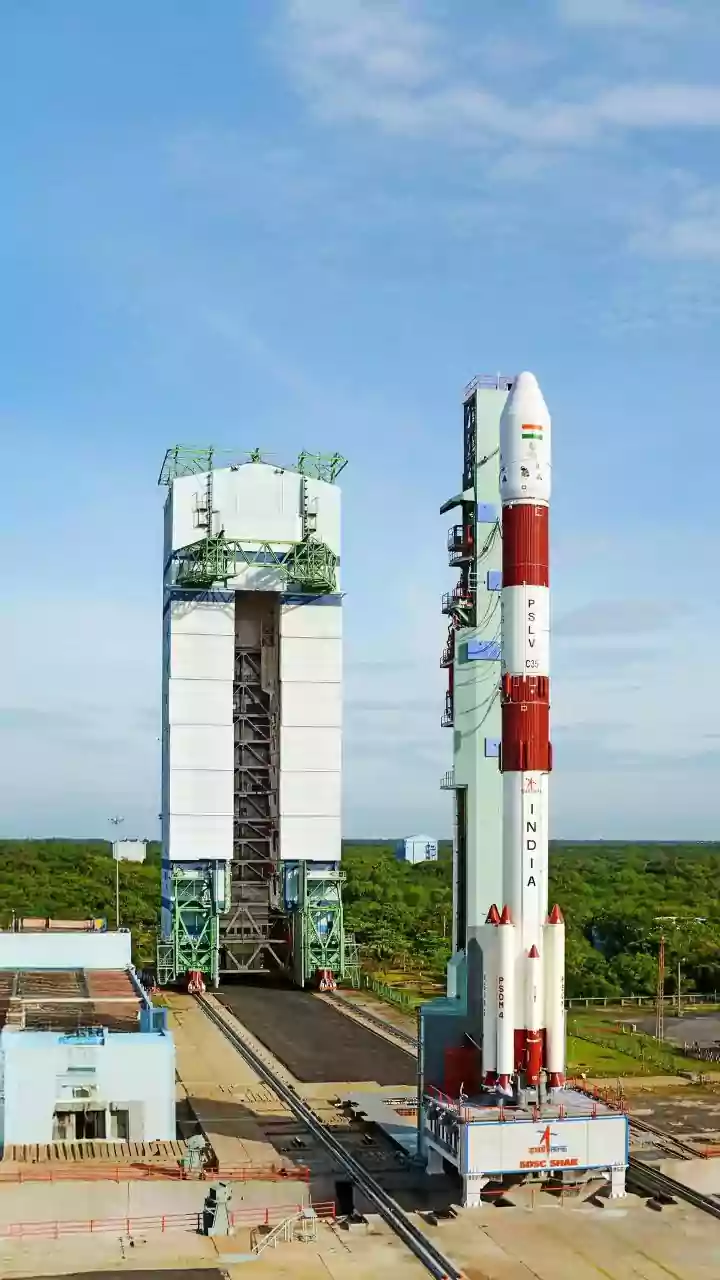
Gaganyaan is a monumental technological undertaking, driven by indigenous innovation. The workhorse for the mission is the human-rated LVM3 rocket (HLVM3), a modified version of ISRO’s most reliable heavy-lift launcher, re-engineered to meet the stringent safety and redundancy standards required for carrying astronauts. The spacecraft itself, the Orbital Module, consists of the Crew Module and the Service Module. The Crew Module is a pressurised capsule where the astronauts will live, designed to withstand re-entry into Earth's atmosphere. The Service Module provides support with propulsion, power, and thermal control while in orbit. Recent successful hot tests of a new semi-cryogenic engine and extensive parachute tests underscore the steady progress being made on these critical systems.
Why This Leap Matters for India
Sending humans to space is about more than just national prestige. The Gaganyaan mission is a catalyst for scientific and technological advancement across the country. Developing a life support system from scratch, perfecting human-rated launch vehicles, and mastering deep-space communication will create a powerful ecosystem of innovation, benefiting various industries. This mission opens the door for future ambitions, including India's own space station ('Bharatiya Antariksh Station') by 2035 and, eventually, a manned mission to the Moon. It strengthens India’s position as a major space power, fosters international collaboration, and inspires a new generation of scientists and engineers to dream big.