


The Two Faces of a Monsoon Getaway
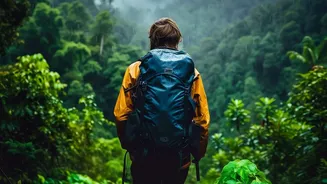
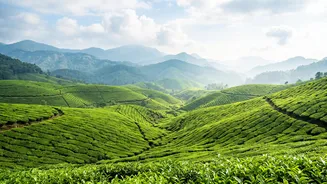
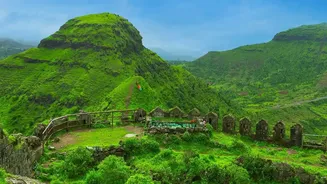
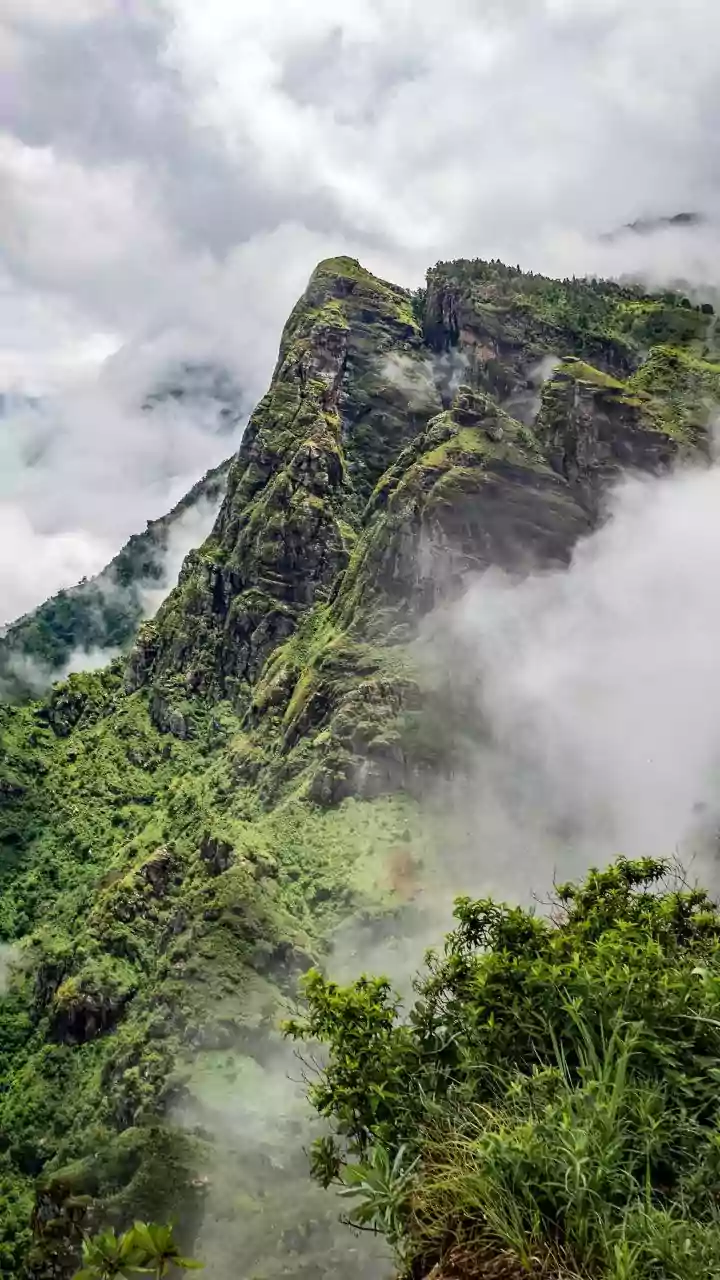
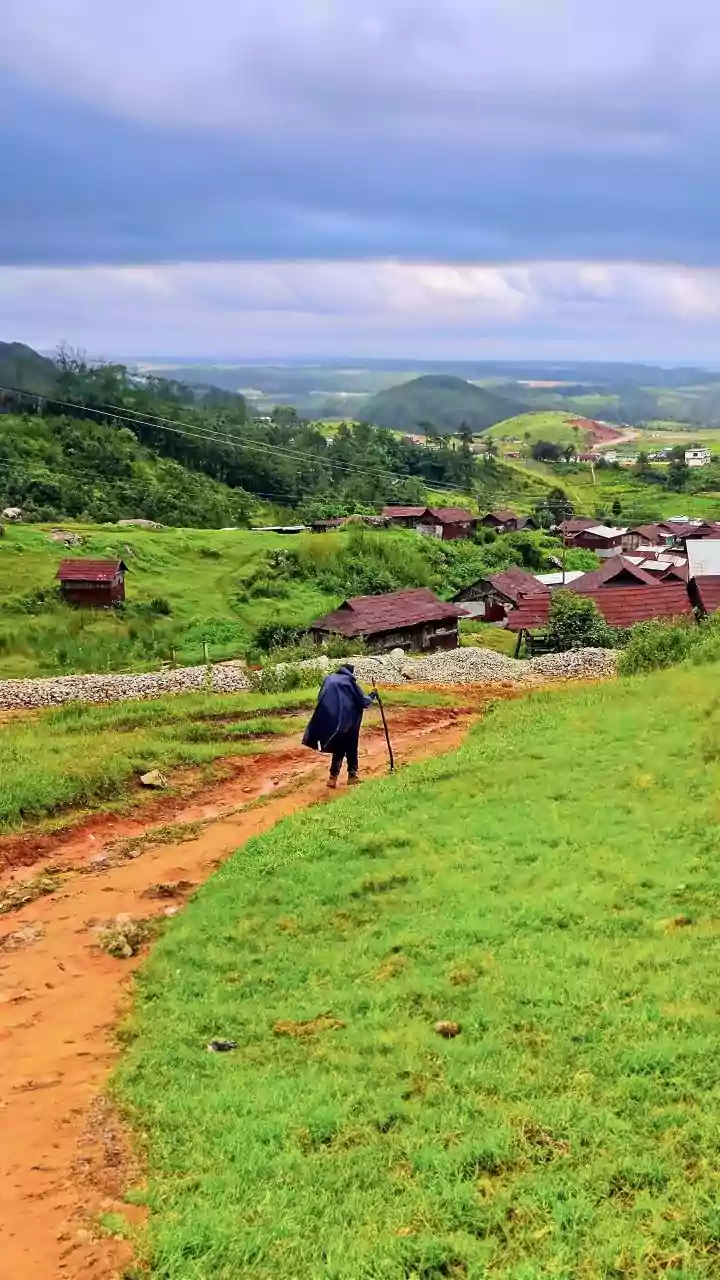
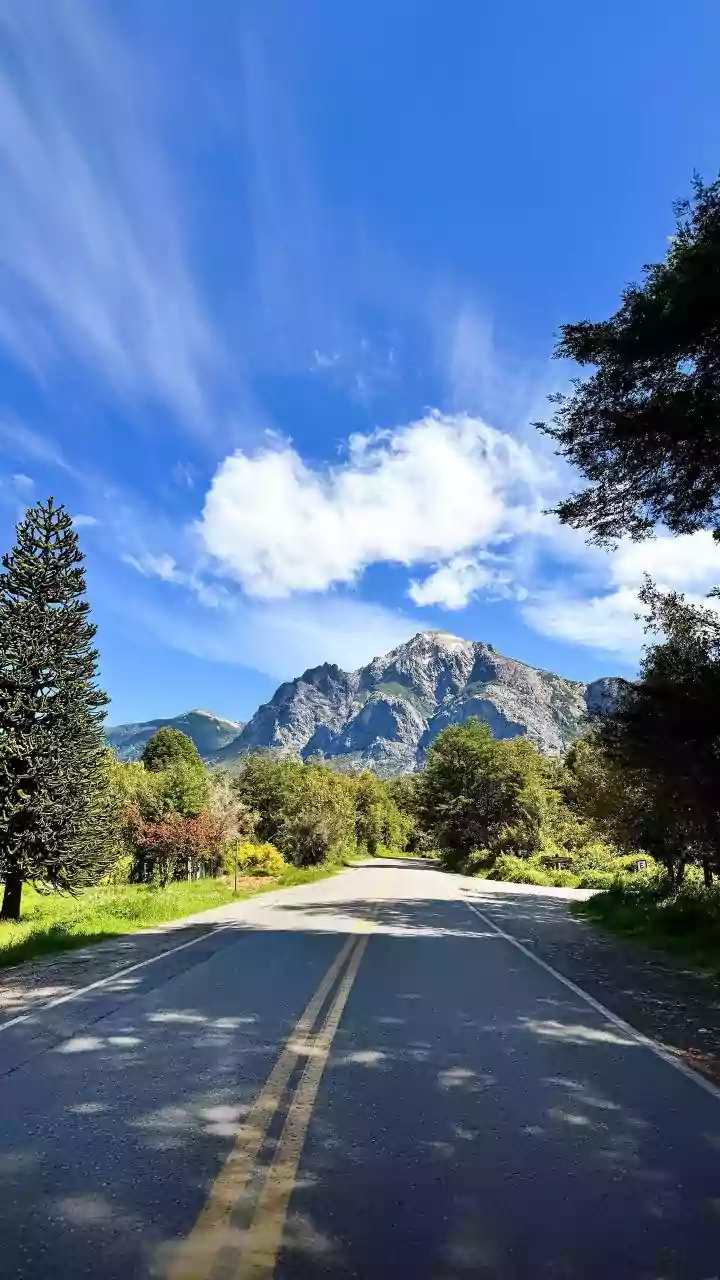
The monsoon season, typically from July to September in many parts of India, transforms hill stations into vibrant, green paradises. Waterfalls that are mere trickles in summer become powerful cascades, and the landscape is shrouded in a romantic mist.
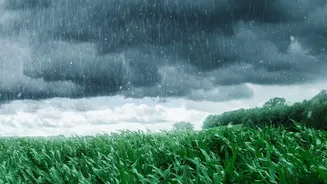
For photographers and nature lovers, this can be the most rewarding time to visit. However, the same rains that bring this beauty also bring significant risks. Continuous downpours can lead to hazardous conditions, making it crucial to weigh the beauty against the potential dangers before you book your trip. The season also means fewer crowds and often lower prices for hotels and tours, making it a budget-friendly option for those willing to be flexible.
Navigating Road Travel and Safety
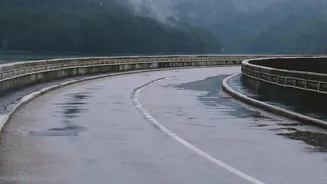
Getting to and around September Hill during the monsoon requires careful planning. Hilly regions in India, including the Himalayas and the Western Ghats, are prone to landslides and flash floods during periods of intense rain. These events can cause sudden and prolonged road closures, potentially leaving travellers stranded. It is essential to check weather forecasts and local road advisories right before and during your journey. Driving yourself can be risky due to slippery roads and poor visibility. Hiring a local driver who is experienced with the terrain in wet conditions is a much safer alternative. Always prioritize safety: if heavy rain is forecast, it's wiser to postpone your travel plans or stay put until conditions improve.
Activities Suited for the Season
While some popular activities like long-distance trekking or visiting remote viewpoints might be off-limits due to safety concerns, a monsoon trip offers its own unique experiences. Enjoying the view from a cozy café with a hot drink is a classic hill station pleasure. Short, easy walks on well-paved trails can be magical, allowing you to immerse yourself in the fresh, rain-washed environment. Visiting waterfalls can be spectacular, but maintain a safe distance as water levels can rise unexpectedly. The monsoon is also a great time for wellness retreats, as many resorts in places like Kerala offer traditional Ayurvedic treatments that are considered especially effective during this season.
Your Essential Monsoon Packing List
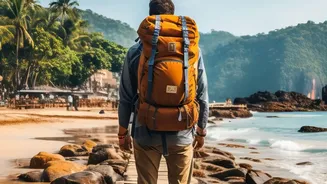
Packing correctly is key to a comfortable and safe monsoon trip. Your clothing should focus on layers and quick-drying fabrics; cotton is best avoided as it takes a long time to dry. A reliable waterproof jacket is a must, as umbrellas are often impractical in strong mountain winds. Sturdy, waterproof footwear with good grip is non-negotiable for navigating slippery paths. Also, pack a waterproof bag or pouch to protect your electronics and important documents. A power bank is essential, as power cuts can be more frequent during stormy weather. Finally, include a basic first-aid kit with insect repellent, as the damp conditions lead to an increase in mosquitoes and other insects.
Choosing Where to Stay
When booking accommodation, consider accessibility. Choose hotels and resorts that are located on stable ground and are easily reachable even during heavy rain. Reading recent reviews from other travellers can provide insight into how a property fares during the monsoon. Since this is often considered the off-season, you may find attractive discounts on luxury stays and boutique properties, allowing for a more premium experience on a smaller budget. Before finalising, it's a good idea to call the hotel directly to inquire about the current conditions in the area and any potential travel disruptions.