


The Rise of the Capsule Wardrobe
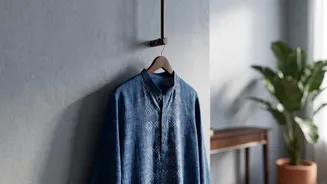
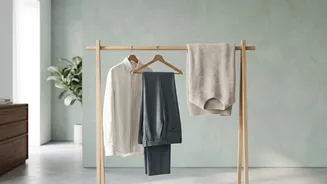
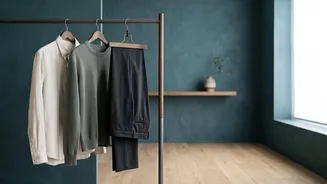
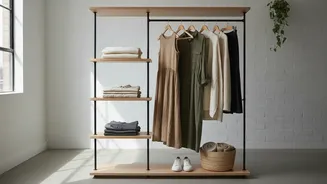
The concept of a 'capsule wardrobe'—a curated collection of timeless, high-quality pieces that can be easily mixed and matched—is gaining significant traction. It’s a move away from owning dozens of trend-driven items and towards investing in fewer, more
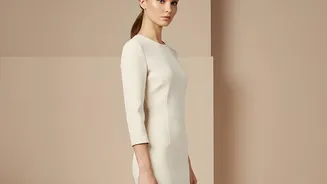
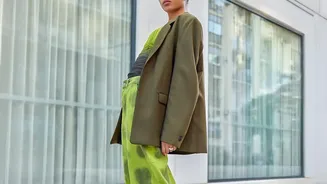
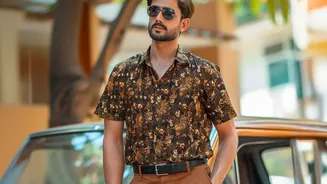
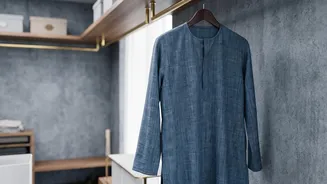
versatile garments. For young professionals and students, this approach is both economical and efficient. An Indian capsule wardrobe thoughtfully fuses Western basics like jeans and blazers with ethnic staples like cotton kurtis, palazzos, and versatile dupattas. The goal is to create a small collection of around 20-40 pieces where every item can be paired with at least three others, effortlessly taking you from a casual outing to a festive function.
A Conscious Move Towards Sustainability
More than just a style choice, the shift to versatile wardrobes is deeply connected to a growing awareness of fashion's environmental impact. Gen Z and millennials are leading the charge, increasingly questioning the ‘use and throw’ model of fast fashion which contributes to enormous textile waste. This generation is more inclined to invest in durable, timeless pieces and support homegrown brands that champion ethical production and natural fabrics like organic cotton and linen. By prioritising quality over quantity, they are not only reducing their carbon footprint but also cultivating a more mindful relationship with their clothes.
Thrifting Becomes a Mainstream Movement
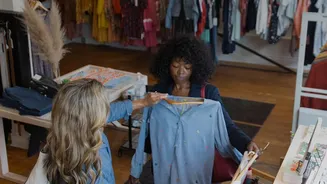
Once a niche activity, buying pre-loved or thrifted clothing is now a popular and trendy way for young Indians to build a unique wardrobe. Driven by a desire for affordability, sustainability, and one-of-a-kind pieces, a vibrant thrift culture has exploded on platforms like Instagram. These online stores and city-based markets offer everything from vintage gems to branded apparel at a fraction of the original cost. Thrifting allows for self-expression and creativity, giving a second life to garments and directly challenging the cycle of over-consumption promoted by fast fashion.
Modernising Traditional Indian Wear
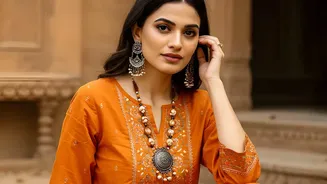
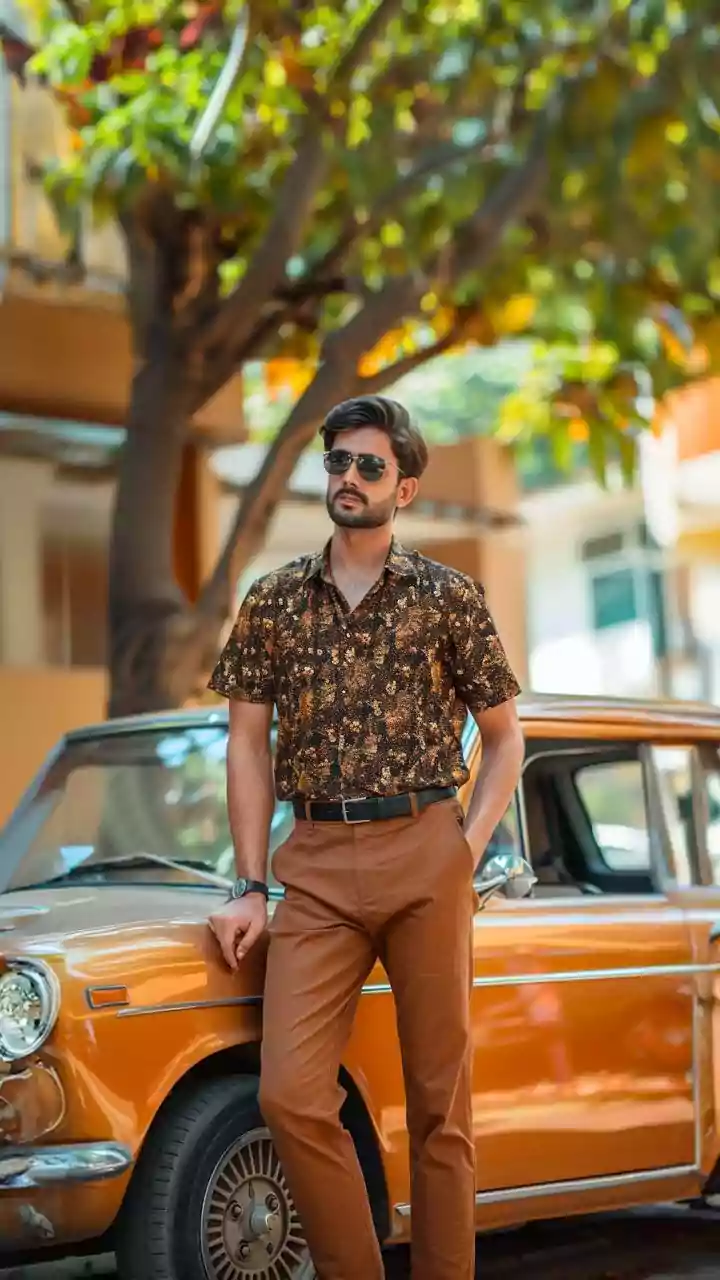
Versatility is also being discovered within traditional ethnic wear. Young Indians are creatively styling classic pieces for modern, everyday contexts. A handloom saree might be paired with a crisp white shirt or belted for a corporate look, while a heavy lehenga skirt is repurposed with a simple crop top for a contemporary fusion outfit. Kurtis are frequently matched with denim jeans, and dupattas are styled as scarves or layered over Western outfits. This mix-and-match approach breaks down the rigid separation between festive and daily wear, allowing these beautiful garments to be worn more frequently and in more innovative ways.
The Power of Smart Accessorising
Accessories are the secret weapon in a versatile wardrobe. The same basic outfit can be completely transformed with the right additions. Young fashion enthusiasts are using statement jewellery, belts, scarves, and bags to create multiple looks from a single core piece. For example, a simple kurta and trousers can be dressed down with sneakers and a tote bag for a casual day, or elevated with statement earrings, a structured clutch, and heels for a more formal event. This strategy allows for maximum style with minimal clothing, proving that versatility is often in the details.