




The Big Change: Insurance for All
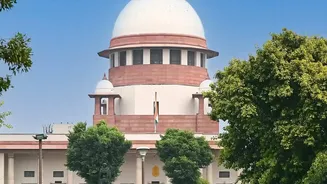
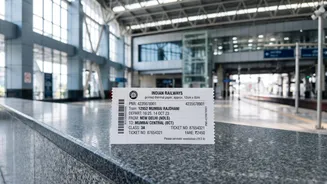
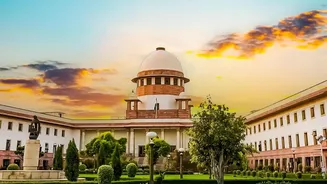
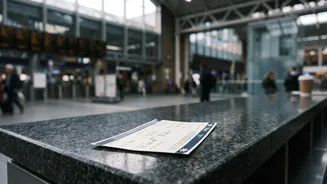
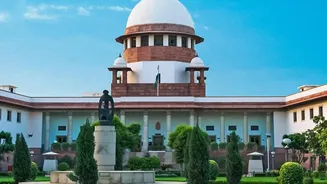
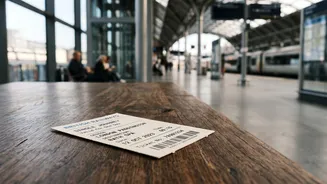
The Supreme Court has directed Indian Railways to provide mandatory travel insurance for all tickets sold at physical counters, starting from October 27, 2026. Until now, this facility was only available as an optional add-on for passengers booking their
tickets online through the IRCTC website or app. This landmark decision aims to bridge the gap between online and offline passengers, ensuring everyone has access to a financial safety net during their journey. The court noted that those who buy tickets at counters, often from lower-income groups, were previously excluded from this benefit and mandated that they receive the same coverage as online bookers.
Why the Court Stepped In
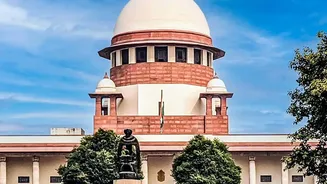
The directive came during a hearing related to a petition filed after the tragic Odisha train accident in June 2023. While the initial plea focused on investigating the crash and implementing safety systems like Kavach, the court expanded the case's scope to cover broader passenger safety issues. The bench, comprising Justices Ahsanuddin Amanullah and R. Mahadevan, expressed disappointment that despite earlier assurances, the Railways had made little progress in creating a mechanism to offer insurance to offline ticket buyers. Citing the principle of equal treatment, the court took a firm stance, making it a mandatory direction and holding the Railway Board directly responsible for its implementation.
What Does This Insurance Actually Cover?
The existing optional insurance for online tickets, which costs a nominal premium of around 45 paise, provides significant coverage. While the exact premium for counter tickets is yet to be confirmed, the coverage is expected to be similar. Typically, this insurance includes financial compensation of up to ₹10 lakh for death or permanent total disability resulting from a train accident or other untoward incidents during the journey. It also provides for permanent partial disability (up to ₹7.5 lakh), hospitalisation expenses due to injury (up to ₹2 lakh), and a provision for the transportation of mortal remains (₹10,000). This protection applies from the scheduled departure to the arrival of the train, including the processes of boarding and deboarding.
What This Means for Passengers
For the roughly 11-12% of passengers who purchase reserved tickets at counters daily, this is a major step towards enhanced security. Previously, they had no way to access this low-cost, high-benefit insurance. From October 27, 2026, the insurance will be automatically included with their ticket, providing crucial financial support for them and their families in case of an unfortunate event. For those who book online, the process remains largely the same, where they can opt for the insurance during checkout. However, the Supreme Court's order emphasises that insurance should be seen as an essential safeguard for all, not just an optional extra for the digitally savvy.
Looking Ahead: Implementation and Responsibility
The Supreme Court has set a clear deadline and placed the onus squarely on the Railway Board to execute this change. The Railways will need to update the software and protocols used at Passenger Reservation System (PRS) counters across the country to integrate this feature. The court has warned of serious consequences if there is a failure to comply, underscoring the urgency of the matter. This move not only strengthens passenger rights but also pushes the domestic travel insurance market towards greater inclusivity, transforming it from an overlooked product into a standard part of the travel experience for every railway passenger.