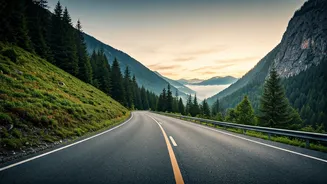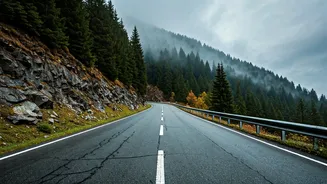




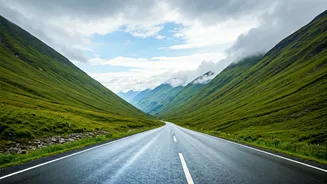


The Expressway Effect on the Hills
A massive overhaul of India's highway network is the primary force behind these shrinking travel times. The government's focus on creating high-speed, access-controlled expressways is fundamentally altering road travel. Projects under the Bharatmala Pariyojana
are designed not just to connect major cities, but also to make tourist destinations more accessible. These new arteries bypass congested towns, straighten winding routes, and allow for consistent, higher speeds, turning grueling day-long drives into manageable journeys. The result is less time spent on the road and more time enjoying the crisp mountain air. For travellers from Delhi-NCR, in particular, this has opened up a plethora of options for quick weekend escapes.
Uttarakhand: A 2.5-Hour Drive Away
The most dramatic change is courtesy of the Delhi-Dehradun Expressway. This project has slashed the travel time between the two cities from around six hours to a mere 2.5 hours. This incredible time-saving has a ripple effect across Uttarakhand's most beloved hill stations. Mussoorie, once a journey that could take the better part of a day from Delhi, is now reachable in about four hours. Destinations like Rishikesh and the quieter hamlets of Landour, Dhanaulti, and Kanatal are also significantly more accessible, making them viable for spontaneous weekend plans. The expressway, which features a 12-kilometre elevated wildlife corridor through Rajaji National Park, also promises a smoother, safer journey.
Himachal's New Accessibility
Himachal Pradesh is also reaping the benefits of improved infrastructure. The four-laning of the Kiratpur-Manali highway is a game-changer for accessing the Kullu and Manali valleys. Sections of this project, which include multiple tunnels and bridges, bypass notoriously slow and congested towns like Bilaspur and Swarghat. This has helped reduce the Chandigarh to Manali travel time by about three hours. For travellers starting from Delhi, the total journey time to Manali is expected to drop from 14 hours to around 10 hours. This means less driver fatigue and a more pleasant start to your mountain holiday.
Tunnels: Conquering the High Passes
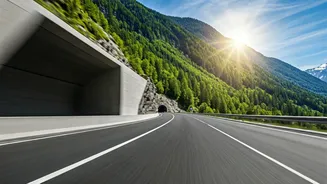
Beyond expressways, engineering marvels in the form of tunnels are making previously seasonal destinations accessible year-round. The Atal Tunnel, the world's longest highway tunnel above 10,000 feet, is a prime example. It bypasses the treacherous Rohtang Pass, reducing the travel time between Manali and Keylong in Lahaul Valley from six hours to under two. This has not only provided all-weather connectivity to Lahaul-Spiti but also cut the overall Manali-Leh journey by 4 to 5 hours. Further north, the Zoji-la Tunnel, which recently achieved a major construction milestone, is set to provide all-weather connectivity between Srinagar and Kargil. It will reduce the travel time across the pass from over an hour to just 15 minutes, transforming travel to Ladakh.
Beyond the Himalayas
The trend of shrinking travel times isn't limited to the northern hills. In the west, the long-awaited widening of the Mumbai-Goa highway (NH-66) is in its final stages. Once fully operational, it is expected to cut the journey time from 12-13 hours to about six hours, making coastal getaways much quicker. Similarly, a massive infrastructure push in Northeast India is improving road, rail, and air connectivity to the 'Ashtalakshmi' states. Thousands of kilometres of new national highways and new airports are making the region's unique landscapes more accessible to travellers than ever before.