





A Tradition Reimagined
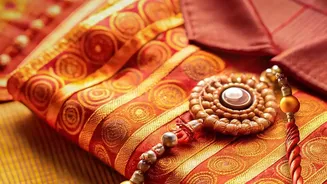
The Raksha Bandhan market, once dominated by plastic and synthetic threads, is seeing a vibrant new trend. Young consumers are increasingly seeking out eco-friendly and upcycled rakhis. These aren't your typical store-bought offerings; they are handcrafted
creations made from materials like organic cotton, jute, recycled paper, and even seeds that can be planted after the festival. Artisans are using everything from fabric scraps and leftover wool to broken bangles and discarded wood to craft unique, beautiful pieces. This move is less about rejecting tradition and more about enriching it, blending the sacred bond of siblinghood with a modern sense of responsibility towards the planet.
An Environmental Awakening
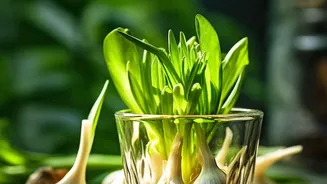
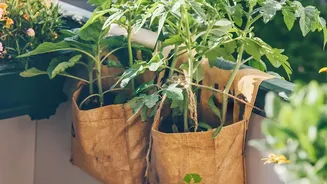
A key driver behind this trend is a heightened awareness of environmental issues. Traditional rakhis, often made with non-biodegradable plastics, glitter, and chemical-laden dyes, contribute to landfill waste and pollution long after the festivities end. For a generation that has grown up with the language of climate change and sustainability, making a different choice is a small but meaningful action. Choosing a rakhi that is biodegradable or, better yet, plantable, transforms a single-day accessory into a gift that gives back to the earth. These plantable rakhis, which contain seeds of herbs like basil or flowers like marigolds, quite literally allow the bond to grow, creating a living memory of the celebration.
Championing Local Artisans
The slogan 'vocal for local' has found a powerful resonance during festive seasons, and Raksha Bandhan is no exception. By choosing handmade rakhis, young consumers are consciously directing their money towards supporting local economies and preserving traditional craftsmanship. Many of these eco-friendly rakhis are created by skilled artisans in rural communities, women's self-help groups, and small, independent businesses. This provides them with a crucial source of livelihood, empowers them financially, and ensures that age-old skills like Patwa threadwork or terracotta craft are not lost to mass production. Each purchase becomes a direct investment in the cultural and economic fabric of the country.
The Search for Authenticity
In a world of fast fashion and mass-produced goods, there is a growing desire for authenticity and products with a narrative. An upcycled rakhi made from a piece of handloom fabric or a plantable rakhi crafted by a women's collective has a story that a factory-made product simply cannot match. This uniqueness is a major draw for younger buyers, who value personalisation and meaning over uniformity. It’s a shift from seeing the rakhi as a disposable item to viewing it as a thoughtful keepsake. The appeal lies in its imperfections, its handcrafted nature, and the knowledge that it was made with intention and care, reflecting the very essence of the festival itself.
Digital Platforms as Enablers
This movement couldn't have flourished without the power of e-commerce and social media. Online marketplaces and Instagram boutiques have become crucial bridges, connecting artisans from remote corners of India directly with urban consumers. These platforms give artisans a much wider audience, allowing them to showcase their products and tell their stories effectively. For young shoppers, it provides convenience and access to a vast array of unique, sustainable options that would be impossible to find in a single physical store. It’s a symbiotic relationship where technology facilitates a return to a more conscious, community-oriented way of celebrating.