
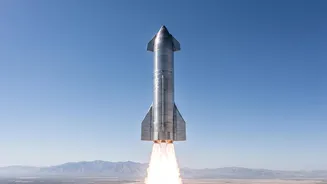
SpaceX's next-generation Starship is not just aiming for the Moon and Mars. Its upcoming orbital test flight will bring it closer to home, with a trajectory that is planned to pass directly over India, offering a glimpse of the future.
What is Starship?
Starship is the
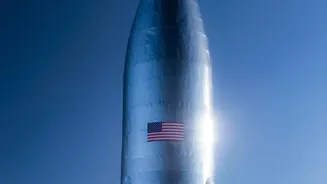
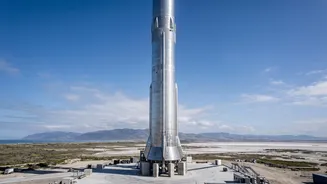
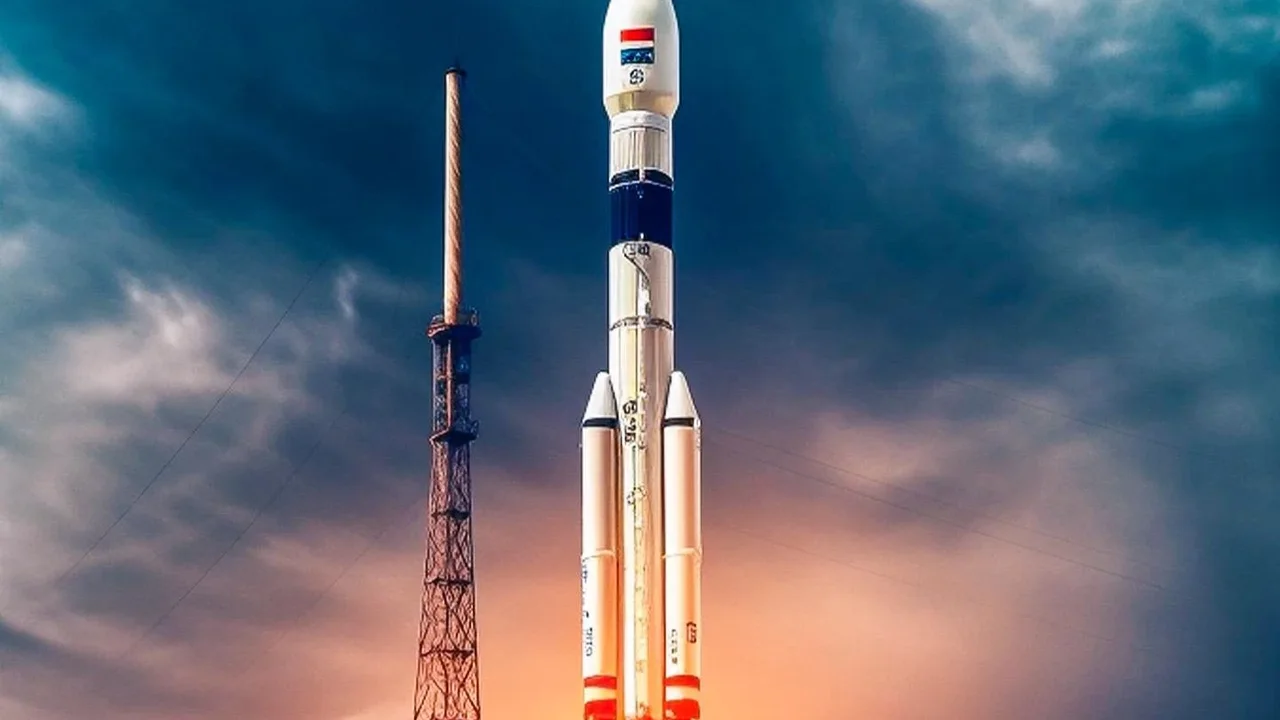
most powerful rocket ever built, the centerpiece of SpaceX's ambitious plans for interplanetary travel. It consists of two fully reusable parts: a first-stage booster called Super Heavy and the upper-stage spacecraft, also named Starship. Standing at a towering 124 meters, the system is designed to carry over 100 metric tonnes of cargo, and eventually people, to destinations like low Earth orbit, the Moon, and Mars. The key innovation is its full reusability, a concept SpaceX pioneered with its Falcon 9 rockets. The goal is for both the booster and the ship to return to the launch site to be caught, refueled, and flown again, drastically reducing the cost of accessing space.
The Upcoming Flight 15 Mission
The next major test, designated Starship Flight 15, is scheduled for as early as November 13, 2026, pending final regulatory approval. This mission has several landmark objectives. The most ambitious is the attempt to catch both the Super Heavy booster and the Starship spacecraft back at the launch tower after flight, a feat never before accomplished. The mission plan involves launching from Starbase, Texas, and sending the Starship spacecraft into orbit. It is slated to deploy 26 Starlink internet satellites before spending more than 22 hours circling the globe, completing about 14 orbits. After its long-duration flight, it will perform a deorbit burn and attempt its first-ever return to the launch site for a tower catch.
Why the Trajectory Over India?
The flight path for Starship's orbital missions is not arbitrary; it's a carefully calculated trajectory designed for safety and to meet mission objectives. For its test flights, Starship initially launches on what is called a 'passively safe suborbital trajectory'. This means that even if its engines fail to perform a final burn to enter a stable orbit, the spacecraft would naturally re-enter the atmosphere over a pre-cleared, unpopulated area of the Indian Ocean. This safety-first approach has made the Indian Ocean a planned splashdown zone for several previous test flights. On Flight 15, after a successful ascent, the spacecraft will perform an orbital insertion burn. Its subsequent 14 orbits around Earth will repeatedly take it over a path that includes the Indian subcontinent, offering potential, though likely faint, viewing opportunities for skywatchers.
A Glimpse of Point-to-Point Travel
While this flyover is a product of orbital mechanics, it offers a tangible preview of one of Starship's most revolutionary longterm goals : pointtoearth travel . SpaceX envisions using Starship to transport people and cargo between major cities on Earth in under an hour . A flight from Mumbai to London , for example , could be reduced to a fraction of its current time . This concept relies on a global network of launch and landing sites , likely offshore , to facilitate ultrahighspeed suborbital flights . Seeing Starship in the skies above India is a powerful reminder that this sciencefictionlike vision of global transport is moving closer to reality . Though commercial pointtointerpoint travel faces enormous logistical , regulatory , and cost hurdles , each successful Starship flight is a step toward that future .
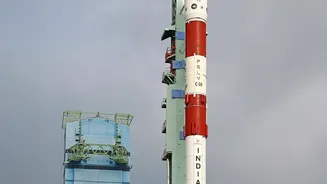
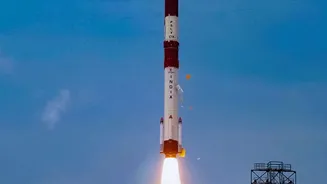
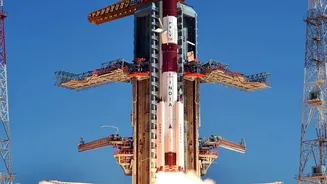
Starship's success has broad implications for the global space industry, including India. The primary impact is economic. By promising to dramatically lower the cost of launching satellites, Starship provides a new, cheaper option for Indian commercial satellite operators looking to place their hardware in orbit. This increased competition could reshape the launch market. While India's own space agency, ISRO, continues to develop its impressive launch vehicle capabilities, the advent of a fully reusable super heavy-lift rocket like Starship changes the landscape for everyone. The upcoming flyover during Flight 15 is therefore more than just a passing spectacle; it symbolises a new era in space logistics that will directly influence commercial and scientific opportunities for nations around the world.