







The New Reality of Training
The world of fitness is pushing boundaries. More people are tackling endurance challenges like marathons, triathlons, and ultra-races. This pursuit of longer, more demanding goals coincides with a significant environmental shift: rising global temperatures.
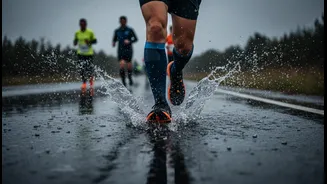
Training for a four-hour marathon in 30°C heat is a vastly different physiological challenge than doing so in milder weather. The body is forced to work overtime not just to perform, but to simply stay cool. This combination of increased duration and environmental heat places unprecedented stress on the body, increasing the risk of dehydration, heat exhaustion, and even life-threatening heatstroke. Studies have shown that performance in long-duration events can drop significantly in hot environments, as the body diverts resources to cool itself down, leaving less for the muscles.
Why One-Size-Fits-All Fails in the Heat
A training plan downloaded from the internet might work in perfect conditions, but it can become ineffective or dangerous when the heat is on. Every individual responds to heat differently. Factors like body size, fitness level, sweat rate, and genetics play a huge role in how well we cope. A generic plan doesn't account for this vast inter-individual variability. Someone who sweats more will lose fluids and crucial electrolytes like sodium at a much faster rate. Ignoring this can lead to severe dehydration, muscle cramps, and a sharp decline in performance. Relying on thirst alone is often not enough to ensure proper hydration during intense exercise. This is where personalisation becomes a non-negotiable tool for both safety and peak performance.
Crafting Your Hydration Blueprint
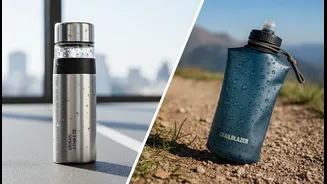
Personalisation starts with the most critical element: hydration. A tailored hydration strategy can dramatically improve performance and safety in the heat. The first step is to understand your own body. One simple method is to weigh yourself before and after a one-hour workout (without drinking during it) to estimate your sweat rate. For every kilogram of weight lost, you've lost approximately one litre of fluid that needs replenishment. But it's not just about water; it's about electrolytes. Sweat contains sodium, potassium, and other minerals essential for muscle function. A personalised plan involves replacing not just the fluid but also these specific electrolytes, often through specialised sports drinks or supplements, to maintain balance and prevent cramping and fatigue.
Smarter Training, Not Just Harder
Beyond hydration, your training intensity and schedule must adapt. In hot weather, your heart rate will be higher for the same perceived effort. This means your standard training zones, based on heart rate or pace, need adjustment. A personalised approach might involve training by perceived effort rather than sticking rigidly to pace targets, or adjusting heart rate zones downwards to account for the extra cardiovascular strain. Furthermore, a structured heat acclimation protocol is vital. This involves gradually increasing the duration and intensity of workouts in the heat over 10 to 14 days. This process allows your body to make powerful physiological adaptations, including sweating more efficiently and increasing blood plasma volume, which helps regulate core temperature and reduces the strain on your heart.
Technology as Your Personal Coach
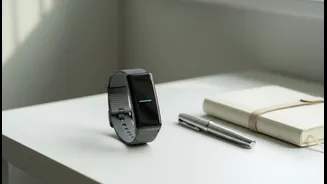
The good news is that this level of personalisation is more accessible than ever thanks to technology. Wearable devices like smartwatches and heart rate monitors provide a wealth of real-time data on everything from heart rate and sleep patterns to sweat loss estimates. Fitness apps powered by artificial intelligence can analyse this data to create customised workout plans, offer real-time feedback, and adjust your training based on your performance and recovery needs. These tools can interpret the vast amount of data your body produces, turning it into actionable insights that help you train more effectively and safely. This allows everyday athletes to access a level of tailored guidance that was once reserved for elite professionals.