


A Return to Our Roots
For generations, Indian meals have been inherently balanced, drawing on Ayurvedic principles of nourishment. However, modern diets have seen a rise in refined flours and sugars. Now, a growing consciousness around health is leading many back to ancient
wisdom. This movement isn't about restriction; it's about rediscovery. It's driven by the idea that food should not only comfort the soul but also nourish the body. Chefs and home cooks are finding that the secrets to healthier eating have been in our kitchens all along, hidden in plain sight within traditional ingredients and cooking methods. The focus is on whole foods, mindful preparation, and creating meals that are both delicious and beneficial for long-term wellness.
The Mighty Millet Makes a Comeback
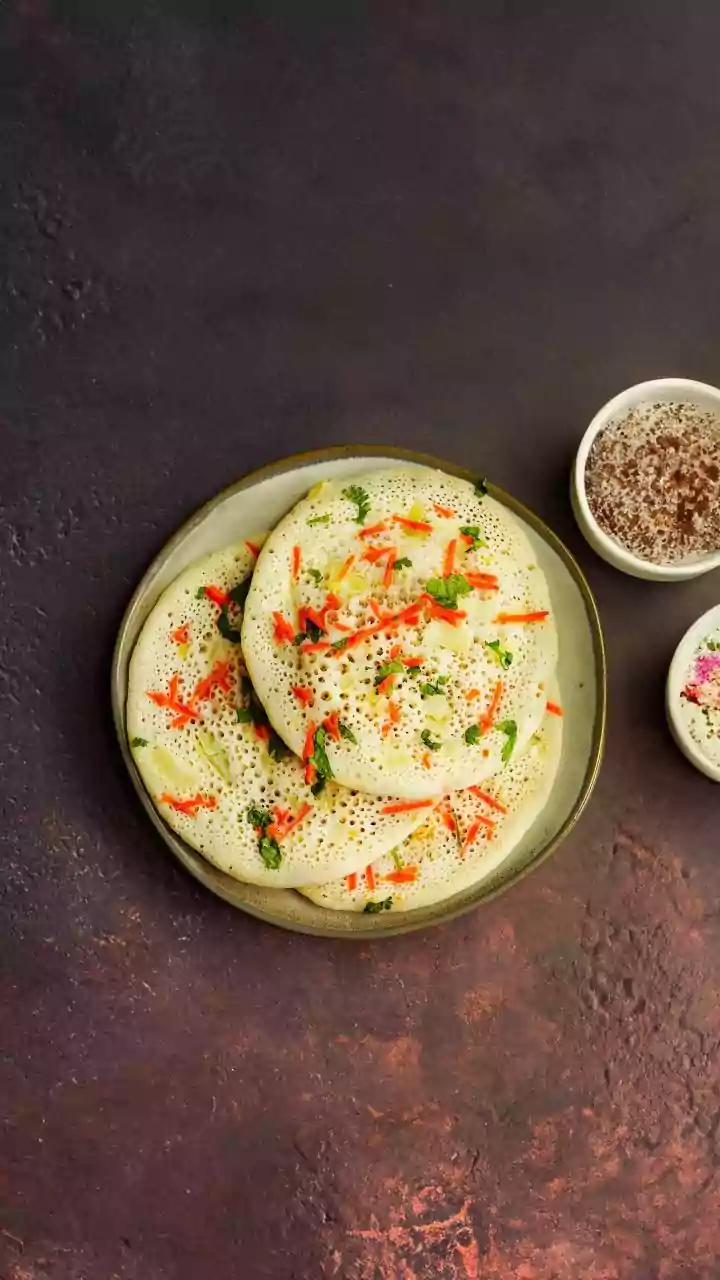
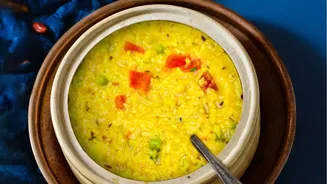
Perhaps the most significant change on the Indian plate is the resurgence of millets. Grains like ragi (finger millet), jowar (sorghum), and bajra (pearl millet), once considered staples, are being embraced again for their impressive nutritional profiles. These ancient grains are naturally gluten-free, high in fiber, and packed with essential minerals like iron and calcium. Chefs and households are creatively incorporating them into everyday dishes. Imagine khichdi made not with rice, but with foxtail millet, or dosas crafted from ragi batter. This shift replaces some of the refined carbohydrates in our diet with complex ones that provide sustained energy and support better digestion, making comfort food feel lighter and more vital.
Rethinking Sweetness
No Indian meal is complete without a touch of sweetness, but here too, a transformation is underway. Refined white sugar is increasingly being swapped for natural, unrefined alternatives. Jaggery, or 'gur', with its deep, caramel-like flavour and mineral content, is leading this change. Desserts like payasam, ladoos, and halwas are being reimagined with jaggery, dates, and palm sugar. These natural sweeteners not only offer a more complex flavour but also have a lower glycemic index compared to processed sugar. This means you can indulge in a piece of home-made mithai without the drastic sugar spike, making traditional sweets a more mindful treat.
Good Fats and Smarter Techniques
The conversation around fats in Indian cooking is also evolving. There's a renewed appreciation for traditional fats like ghee and cold-pressed oils from coconut and mustard seeds, which are used for their health benefits and flavour. The change is also in the cooking methods. While deep-frying for snacks like samosas and pakoras will always have its place for celebrations, everyday cooking is seeing a move towards lighter techniques. Steaming, sautéing, pressure cooking, and grilling are being used more often to preserve the nutrients in food. For example, a tandoori-grilled chicken or paneer offers all the flavour of a rich curry but with far less oil. It's about achieving the same satisfying taste without the heaviness.
Flavor Without the Overload
Ultimately, the essence of this nutritional shift is about letting the ingredients shine. The flavour in Indian food has always come from the masterful use of spices, which have their own powerful health benefits. Turmeric is a known anti-inflammatory, while cumin and ginger aid digestion. The new wave of nutrition-focused cooking leans into this, creating dishes that are aromatic and deeply flavourful without relying on excessive cream, butter, or oil. By balancing spices correctly and using fresh, seasonal vegetables, it's possible to create meals that are both light and satisfying, proving that healthy Indian food isn't an oxymoron but a return to its authentic, nourishing form.