






Why the Need for Change?
India's food supply chain has long been complex and fragmented. A significant amount of produce is lost between the farm and the consumer due to issues like inadequate storage and inefficient transport. For regulators, overseeing this vast network is a monumental
task. The current system often involves multiple agencies and layers of paperwork, making consistent enforcement a challenge. This fragmentation can lead to gaps in oversight, allowing for issues like adulteration and contamination to persist. Recent reforms have aimed to reduce the administrative burden on businesses, but the core challenge remains: ensuring that food is safe at every step of its journey. A more integrated approach is seen as the necessary next step to build a truly robust food safety ecosystem.
What Would an Integrated System Look Like?
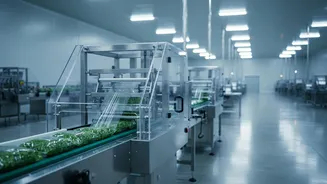
The proposed reform centres on creating an 'Integrated Food Safety System' (IFSS). The concept, which has been implemented in other parts of the world, is built on seamless partnership and data sharing among all stakeholders, including government agencies, labs, and businesses. For India, this would mean linking together three critical pillars: digital records, food testing, and storage monitoring. The Food Safety and Standards Authority of India (FSSAI) has already been moving towards a unified digital platform with its Food Safety Compliance System (FoSCoS). An integrated system would expand on this, creating a single window where data from inspections, lab tests, and warehouse audits can be accessed and analysed in real-time. This allows for a more holistic view of the food supply chain, a concept that underpins modern food safety management globally.
Combining Records: A Digital Backbone
At the heart of the reform is the idea of a unified digital record for every food business operator. Currently, FSSAI is working to integrate its various IT platforms, like FoSCoS, with other government databases. A fully integrated system would create a 360-degree profile of every business, tracking its compliance history, sourcing, and distribution. For imports, initiatives like the SWIFT 2.0 (Single Window Interface for Facilitating Trade) are already designed to streamline data exchange between customs and food safety authorities, making clearance faster and more transparent. Expanding this principle domestically would mean that a food safety officer could instantly access a company’s entire history, from past lab results to storage inspection reports, creating a powerful tool for accountability and traceability.
Smarter Testing and Audits
The reform isn't just about more testing, but smarter testing. FSSAI has already introduced a risk-based inspection framework, which prioritises regulatory attention on businesses with a higher risk profile or a history of non-compliance. An integrated system would make this approach even more effective. By combining testing data with compliance records, the system could automatically flag high-risk products or businesses for more frequent checks. This data-driven approach helps focus limited regulatory resources where they are most needed. Mandatory testing of products, raw materials, and water used in manufacturing is already a key part of FSSAI regulations, and must be done in NABL-accredited labs. Integrating these lab results into a central system would provide a national-level view of food safety trends and potential hotspots.
The Crucial Role of Storage
A major weakness in India's food supply is the lack of adequate and modern storage infrastructure, particularly cold storage. A significant portion of food, especially fresh produce, is lost to spoilage due to poor handling and storage. The proposed reforms would likely bring storage facilities under tighter scrutiny. This could involve mandatory checks on temperature control, hygiene, and handling practices in warehouses and during transport. Shelf-life testing, which evaluates how a product holds up under different storage conditions, is a critical component of ensuring food remains safe until it reaches the consumer. By integrating storage checks into the central compliance system, regulators can ensure that safety protocols are followed not just during manufacturing, but throughout the entire distribution chain.
What It Means for Consumers and Businesses
For consumers, the goal of this reform is simple: safer food and greater trust. A transparent, traceable system means it's easier to track down the source of any contamination and prevent it from spreading. It empowers consumers by holding the entire supply chain accountable for the safety of the final product. For businesses, the move towards an integrated system presents both opportunities and challenges. While it promises a more efficient, technology-driven regulatory environment, it also demands higher standards of record-keeping and compliance. Small and medium-sized businesses, in particular, may face challenges in adapting to new digital requirements. However, recent FSSAI reforms, such as raising turnover thresholds for basic registration and offering perpetual licenses, are aimed at easing the compliance burden, especially for smaller operators, allowing them to focus on hygiene and safety.