





What is Rain Chasing?
For decades, the Indian travel calendar was simple: travel during the dry, sunny seasons and stay home during the monsoon. But a fascinating shift is underway. 'Rain chasing' is the conscious decision to travel to or within regions specifically to experience
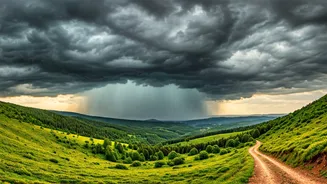
the monsoon. It’s about more than just getting a good off-season deal; it’s a form of experiential travel. It prioritises atmosphere over activities, celebrating the petrichor, the dramatic grey skies, and the vibrant, super-saturated greens of a rain-drenched landscape. This trend is driven by a desire for less crowded destinations, unique photographic opportunities, and a deeper connection with nature's cycles.
The Appeal: A Sensory Reset
Why trade a sunny beach for a downpour? The appeal lies in the sensory overload. Rain chasers talk about the therapeutic sound of rain on a tin roof, the smell of wet earth (petrichor), and the taste of hot chai and pakoras enjoyed while watching the downpour from a cosy verandah. In a world of constant digital noise, the monsoon offers a powerful, elemental soundtrack. It forces a slower pace. Treks become more challenging but also more rewarding, waterfalls are at their roaring peak, and the entire ecosystem feels alive and breathing. It's a rejection of the picture-perfect postcard in favour of something more atmospheric and emotionally resonant.
Destination 1: The Western Ghats
The Western Ghats are the undisputed heartland of this movement. From Maharashtra's Lonavala and Khandala to Kerala's Munnar and Wayanad, the entire mountain range transforms into a lush, green paradise. The hills are carpeted in an almost fluorescent green, mist hangs low in the valleys, and countless seasonal waterfalls spring to life. It’s the quintessential monsoon experience. Travellers drive along winding roads, stopping at viewpoints to gaze at cloud-filled valleys or take short, muddy treks to overflowing cascades. Hill stations that are often crowded in summer become quiet, contemplative retreats during the rains.
Destination 2: The Deserts of Rajasthan
This might seem counter-intuitive, but Rajasthan during the monsoon is a revelation. The arid landscapes of Udaipur, Bundi, and Mount Abu receive just enough rain to wash away the desert dust and cast a romantic spell. The lakes, like Udaipur’s Lake Pichola, fill up, reflecting the majestic palaces and brooding monsoon clouds. The temperature drops, making sightseeing pleasant. Bundi, in particular, is known for its monsoon festival, Teej, and its magnificent, water-filled step-wells (baoris). Seeing the Aravalli hills shrouded in a light green fuzz after months of scorching heat is a truly unique sight that a summer tourist would never witness.
Destination 3: Meghalaya, The Abode of Clouds
For the ultimate rain chaser, there is no place like Meghalaya. Home to Mawsynram and Cherrapunji, two of the wettest places on Earth, this is where the monsoon is not just a season but a defining characteristic. Here, rain chasing is an extreme sport and a spiritual experience. You can walk across living root bridges that become stronger in the wet conditions, witness the incredible Nohkalikai Falls plunging into a turquoise pool, and literally walk through the clouds. It’s an immersive experience where you don’t just watch the rain; you live in it. The Khasi hills have never looked more alive than when they are drenched and gleaming.
Destination 4: A Greener Goa
Goa in the monsoon is not the Goa of beach parties and sunbathers. It's a different, more tranquil place. The crowds vanish, the prices drop, and the state reveals its lush hinterland. The focus shifts from the sea, which is often too rough for swimming, to the countryside. Think verdant paddy fields, overflowing spice plantations, and spectacular waterfalls like Dudhsagar. Rent a scooter and explore quiet village roads, visit a spice farm to see how the rain brings everything to life, or trek to a secluded waterfall. It's a chance to see the state as the locals do, enjoying its quiet beauty before the tourist season kicks in again.