





Choose Your Warriors Wisely
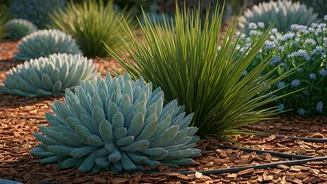
The foundation of a water-smart garden is selecting the right plants. Instead of water-guzzling exotic species, embrace the beauty of native and drought-tolerant varieties that are naturally adapted to India's climate. Think vibrant Bougainvillea, hardy
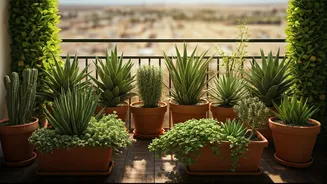
Lantana, fragrant Plumeria (Champa), or elegant Tecoma. Succulents and cacti are also fantastic, low-maintenance options for sunny balconies and patios. These plants have evolved to survive with less water, meaning they will look their best without demanding constant irrigation. A quick visit to a local nursery with a request for 'low-water plants' will open up a world of beautiful, resilient options that work with our environment, not against it.
Embrace the Magic of Mulch
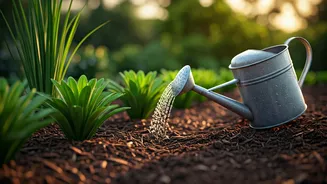
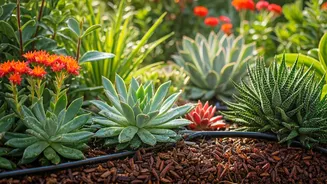
Mulching is one of the most effective water-saving techniques, yet it's often overlooked. A layer of mulch is simply a protective covering placed over the soil. It acts like a blanket, shielding the soil from the harsh sun, which dramatically reduces water evaporation. This means the water you do use stays in the soil for your plants to drink. It also suppresses weed growth, so there’s less competition for moisture. You don’t need to buy anything fancy. Dried leaves from your own garden, sugarcane bagasse, wood chips, or even coir pith (a byproduct of coconut harvesting) make for excellent, organic mulch. A 2-3 inch layer is all it takes to make a massive difference.
Water Smart, Not Hard
How and when you water is just as important as how much you water. The golden rule is to water deeply but less frequently. A light, daily sprinkle only moistens the top layer of soil and encourages shallow roots, making plants weaker and more dependent on constant watering. Instead, give your plants a good, long soak once every few days. This allows the water to penetrate deep into the soil, encouraging roots to grow deeper where the soil stays moist for longer. The best time to water is early in the morning before the sun gets strong, or late in the evening. Watering mid-day is the fastest way to lose most of it to evaporation.
Upgrade Your Watering System
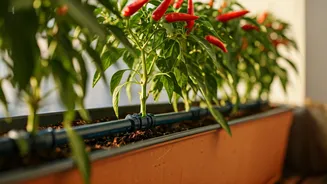
Using a pipe to spray water all over your garden is inefficient. A significant portion of that water never even reaches the plant's roots—it lands on leaves or evaporates from the soil surface. Consider a simple upgrade: drip irrigation. Once a complex agricultural technology, affordable and easy-to-install drip irrigation kits are now widely available online and in garden stores across India. These systems deliver water slowly and directly to the base of each plant, right where it's needed. This method can reduce water usage by up to 70% compared to traditional watering. For potted plants, even a simple 'matka' or clay pot buried next to the plant and filled with water can work as a slow-release irrigation system.
Build a Healthier Soil Sponge
Healthy soil is the cornerstone of a healthy, water-efficient garden. Soil that is rich in organic matter acts like a sponge, absorbing water and holding onto it for plants to use later. Compact, clay-heavy, or sandy soils, on the other hand, either repel water or let it drain away too quickly. The solution is to regularly amend your soil with compost, aged cow dung manure, or vermicompost. These organic materials improve soil structure, aeration, and, most importantly, water retention. Over time, you will build a rich, living soil that can support healthy plants through dry spells without constant intervention.
Harvest the Rain
When the monsoon finally arrives, don't let all that free water go to waste. Rainwater is pure, free of the salts and minerals found in tap water, and perfect for your plants. Setting up a simple rainwater harvesting system can be as easy as placing a large drum or a series of buckets under your roof's downspout. You can store this water and use it during dry periods, reducing your reliance on municipal water. For a country that receives so much rain in a short period, capturing even a small fraction of it for your garden is a powerful step towards sustainability.